
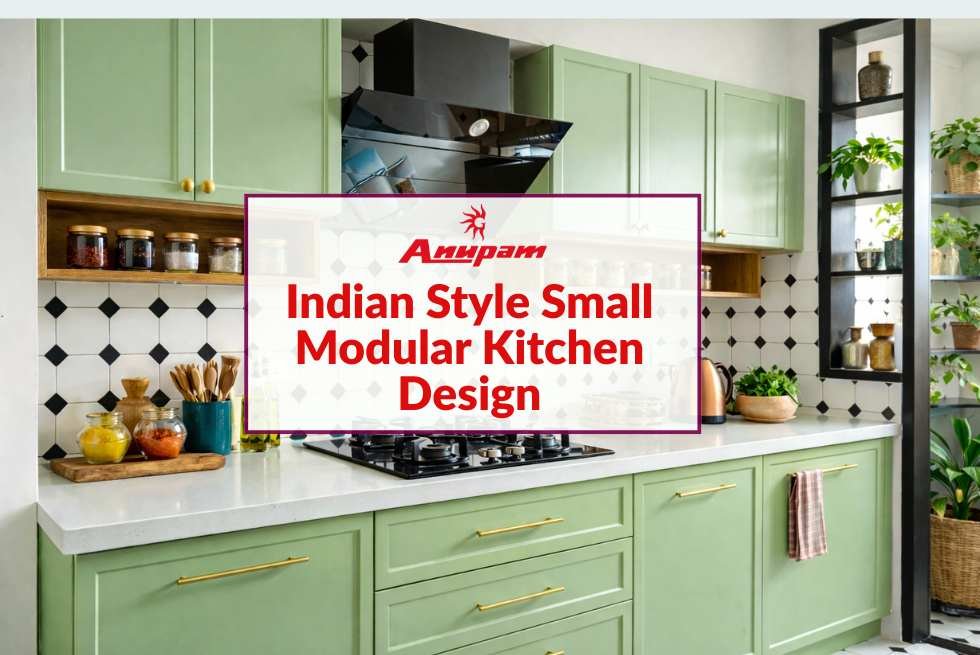

Indian Style Small Modular Kitchen Design – Smart Kitchen Ideas for Modern Homes
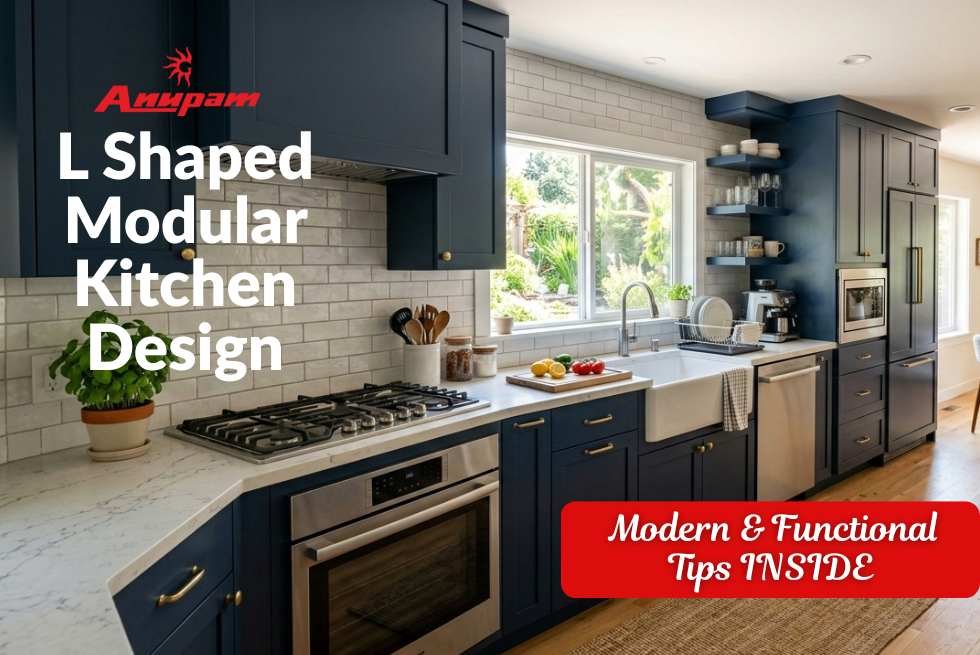
In modern homes today, the kitchen is not just a cooking space but an important part of the house. Due to limited space in many homes, people prefer Indian style small modular kitchen design because it is compact while still being stylish and highly functional.
Modular kitchens are designed with smart storage solutions and modern layouts that make even small spaces look organized and spacious. In Indian households, cooking usually involves heavy usage of utensils, spices, and cookware, so the kitchen design must be practical, durable, and efficient.
Anupam Kitchen, a leading modular kitchen manufacturer with 36+ years of experience, provides modern and customized kitchen solutions designed perfectly according to the lifestyle and cooking needs of Indian homes.
Simple Indian Kitchen Design for Middle Class Family
In India, many families prefer a simple Indian kitchen design for a middle class family that is affordable, practical, and easy to maintain.
Simple Indian Kitchen Features
- Durable plywood cabinets
- Granite countertops
- Affordable laminate finishes
- Wall-mounted cabinets for storage
- Proper ventilation and chimney
These types of kitchens are maintenance-friendly and ideal for long-term use.
Anupam Kitchen provides customized kitchen designs based on the budget and requirements of middle-class families.
Table of Contents
Indian Modular Kitchen Designs Photos – Modern Kitchen Inspirations
When choosing a modular kitchen design, many people look at Indian modular kitchen designs photos to get inspiration. By exploring different layouts and cabinet styles, homeowners can easily choose the best design for their kitchen.
Popular Modular Kitchen Styles
- Modern Modular Kitchen
Glossy cabinets with a minimal design that create a sleek and contemporary look.
- Traditional Indian Kitchen
Wooden textures and classic cabinet finishes for a timeless design.
- Luxury Modular Kitchen
Acrylic cabinets, LED lighting, and premium accessories that create a high-end kitchen interior.
Anupam Kitchen offers a wide range of modern kitchen designs for customers to choose from.
Latest Modular Kitchen Design Trends
Kitchen interior trends change every year. Today, the latest modular kitchen design focuses on combining functionality with aesthetics.
Trending Kitchen Features
- Handleless cabinets
- Matte finish laminates
- Soft-close drawers
- Smart corner storage solutions
- Built-in kitchen appliances
These features make the kitchen modern, organized, and user-friendly.
Small Kitchen Designs Photo Gallery – Space Saving Ideas
If the kitchen space is small, proper planning becomes very important. A small kitchen designs photo gallery helps homeowners explore various layouts and design ideas.
Small Kitchen Design Tips
- Use light-colored cabinets
- Install vertical storage cabinets
- Use wall-mounted shelves
- Choose compact kitchen appliances
With these simple ideas, even small kitchens can feel spacious and modern.
Open Kitchen Design for Small House
In modern homes, the open kitchen design for small houses is becoming increasingly popular. An open kitchen connects with the living area, making the overall home interior look spacious and stylish.
Benefits of Open Kitchen Design
- Creates a spacious appearance
- Improves family interaction
- Provides better natural lighting
- Enhances modern interior aesthetics
Open kitchens are especially ideal for apartments and small houses.
Modular Kitchen Designs Catalogue – Explore Modern Layouts
Before finalizing a kitchen design, homeowners often explore a modular kitchen designs catalogue to compare different layouts and styles.
Popular Kitchen Layouts
Anupam Kitchen offers a wide range of modern and traditional kitchen designs.
Very Small Kitchen Ideas on a Budget
Not every home has a large kitchen space. That’s why very small kitchen ideas on a budget are extremely useful for homeowners.
Budget Friendly Kitchen Ideas
- Use laminate cabinets
- Install open shelves
- Use multifunctional storage
- Choose compact appliances
With proper planning, even a small kitchen can be stylish and highly functional.
Indian Kitchen Designs Photo Gallery
Indian kitchens are designed according to lifestyle and cooking habits. An Indian kitchen designs photo gallery allows homeowners to explore both traditional and modern kitchen styles.
Common Indian Kitchen Features
- Granite countertops
- Steel racks and storage systems
- Chimney and proper ventilation
- Durable kitchen cabinets
Normal Village Kitchen Design – Traditional Kitchen Ideas
In rural areas, a normal village kitchen design is usually simple and practical. Traditional village kitchens are designed with natural ventilation and basic storage systems.
Village Kitchen Features
- Open shelves
- Brick or clay cooking areas
- Wooden storage units
- Natural lighting and ventilation
Kitchen Design Village – Rustic Kitchen Inspiration
Nowadays, even modern homes are adopting village-style kitchen designs, also known as rustic kitchen designs.
Rustic Kitchen Features
- Wooden cabinets
- Stone countertops
- Warm earthy colors
- Vintage kitchen accessories
This style gives the kitchen a unique and traditional appearance.
Village Kitchen Design – Traditional Indian Cooking Space
A village kitchen design is inspired by traditional elements. These kitchens use natural materials and simple cooking setups that reflect traditional Indian living.
Normal Indian Kitchen Design
A normal Indian kitchen design focuses mainly on practicality. Since Indian cooking involves spices, heavy utensils, and multiple ingredients, the kitchen must have strong storage and organized cabinets.
Proper cabinets, ventilation, and durable materials make the kitchen comfortable and long-lasting.
Why Choose Anupam Kitchen
If you want the perfect modular kitchen design for your home, Anupam Kitchen is a trusted name in the industry.
Reasons to Choose Anupam Kitchen
- 36+ Years of Experience
- Customized Modular Kitchen Designs
- High-Quality Materials
- Competitive Pricing
- Professional Installation
Their focus is on creating stylish and functional kitchens that perfectly suit modern Indian homes.
Conclusion
In today’s modern homes, an Indian style small modular kitchen design is the perfect solution for creating a stylish and functional kitchen even in limited space.
Whether you choose a simple Indian kitchen design for a middle class family, a latest modular kitchen design, or a village-style kitchen design, proper planning and quality materials can significantly improve both the appearance and functionality of your kitchen.
Anupam Kitchen, a leading modular kitchen manufacturer with 36 years of experience, provides modern and traditional kitchen solutions that are perfect for every home.
Frequently Asked Questions (FAQs)
Q1. What is an Indian style small modular kitchen design?
An Indian style small modular kitchen design is a compact kitchen layout designed for Indian homes that includes modular cabinets, smart storage solutions, and efficient space planning.
Q2. Which kitchen design is best for small Indian homes?
L-shape modular kitchens, straight kitchen layouts, and parallel kitchen designs are considered the best options for small Indian homes.
Q3. What is a simple Indian kitchen design for a middle class family?
A simple Indian kitchen design usually includes laminate cabinets, granite countertops, wall-mounted storage cabinets, and proper ventilation.
Q4. How can I design a very small kitchen on a budget?
You can design a small kitchen on a budget by using laminate cabinets, installing open shelves, choosing compact appliances, and using vertical storage solutions.
Q5. Is open kitchen design good for small houses?
Yes, open kitchen design is ideal for small houses because it creates a spacious environment and improves interaction between the kitchen and living areas.
Q6. Why choose Anupam Kitchen for modular kitchen design?
Anupam Kitchen is a trusted modular kitchen manufacturer with 36 years of experience offering customized kitchen designs, high-quality materials, and professional installation services.