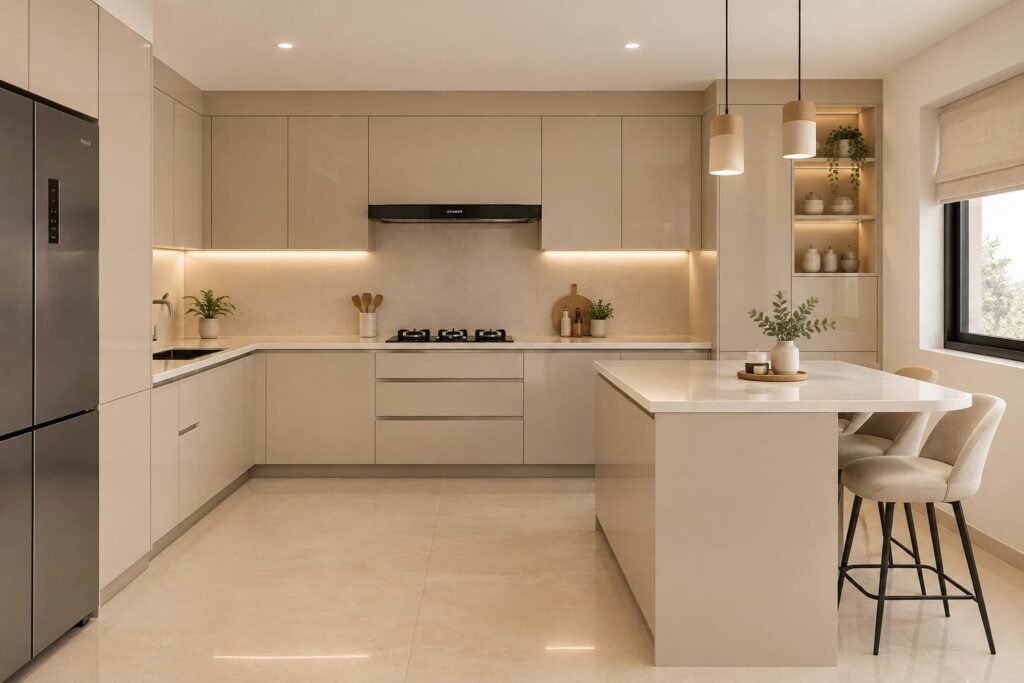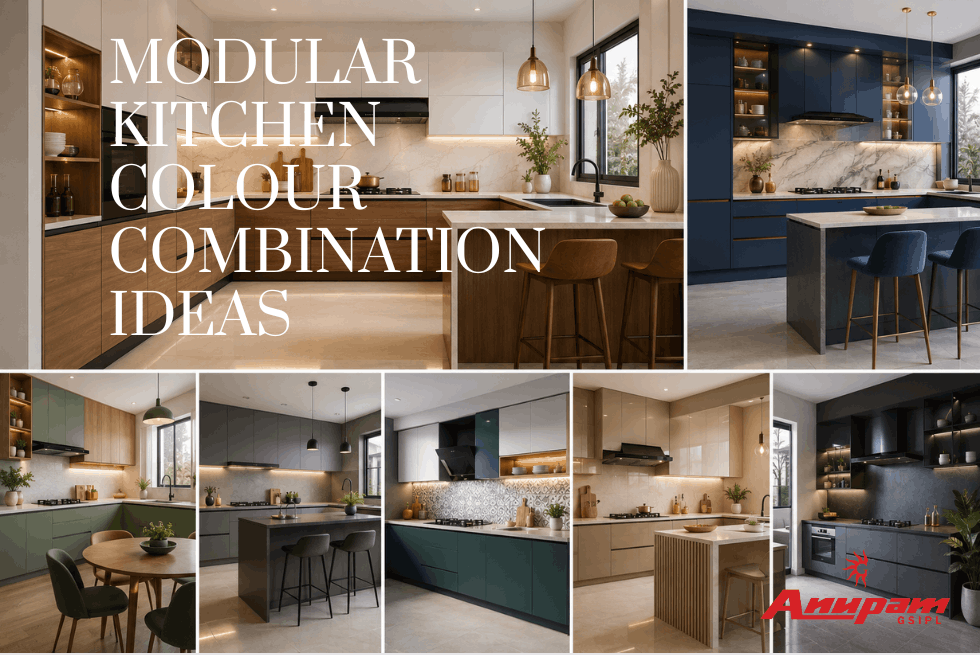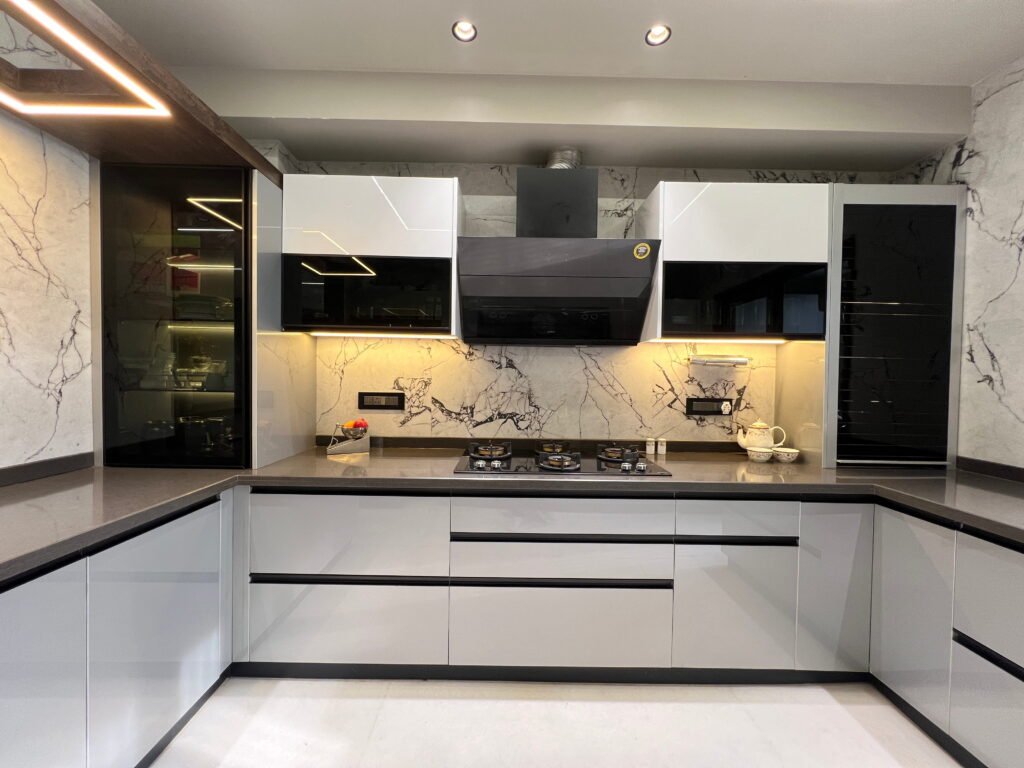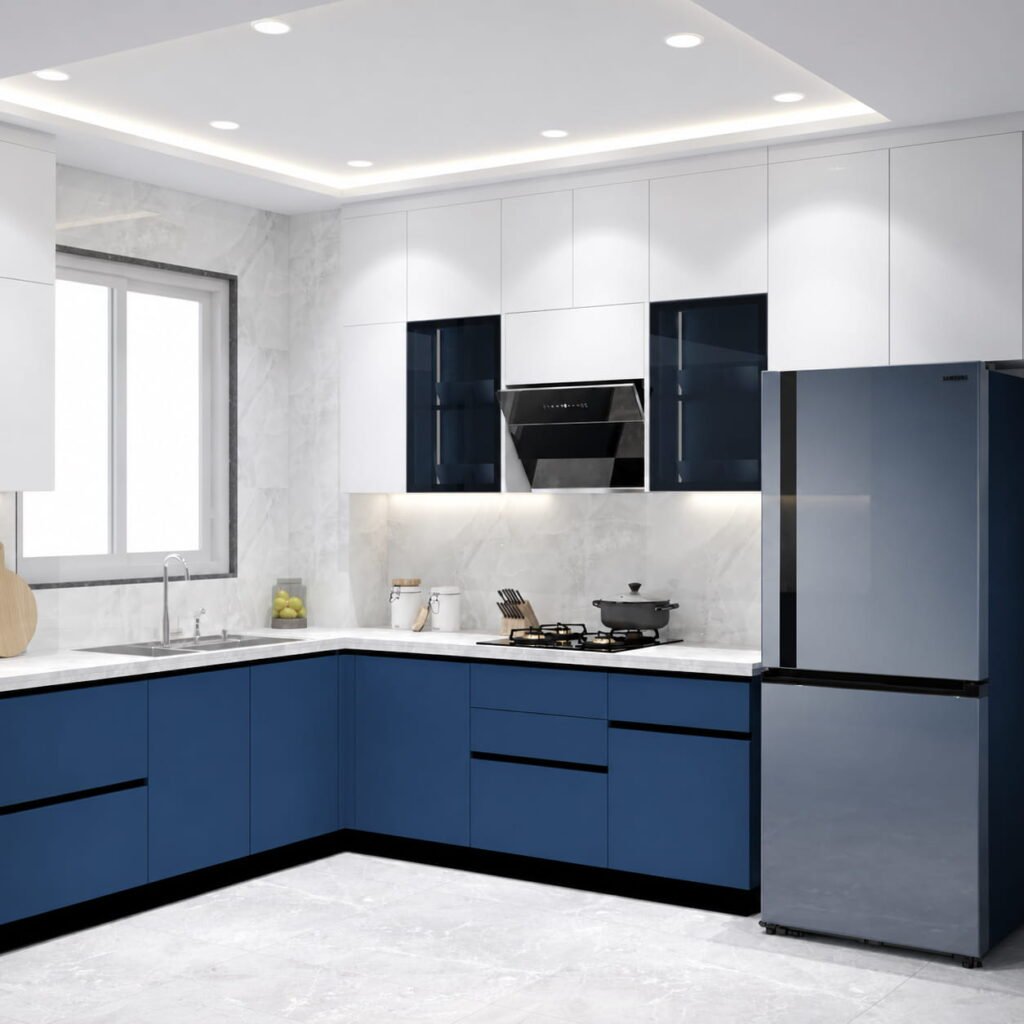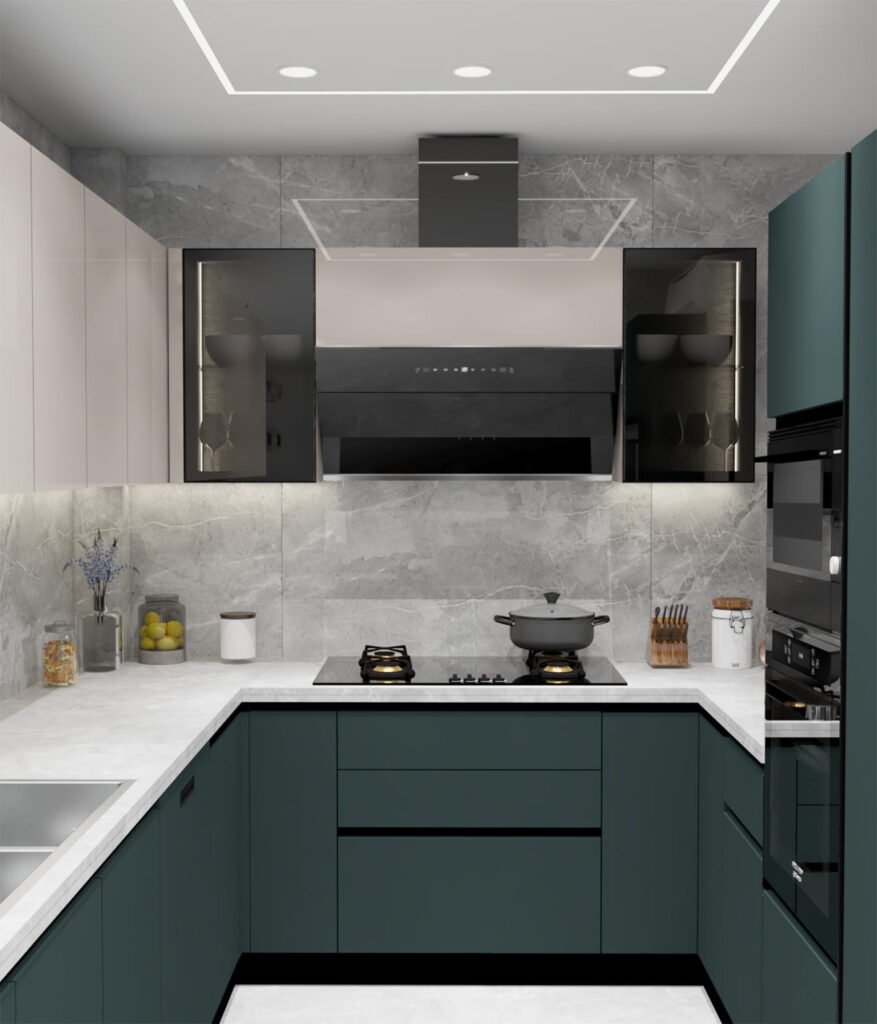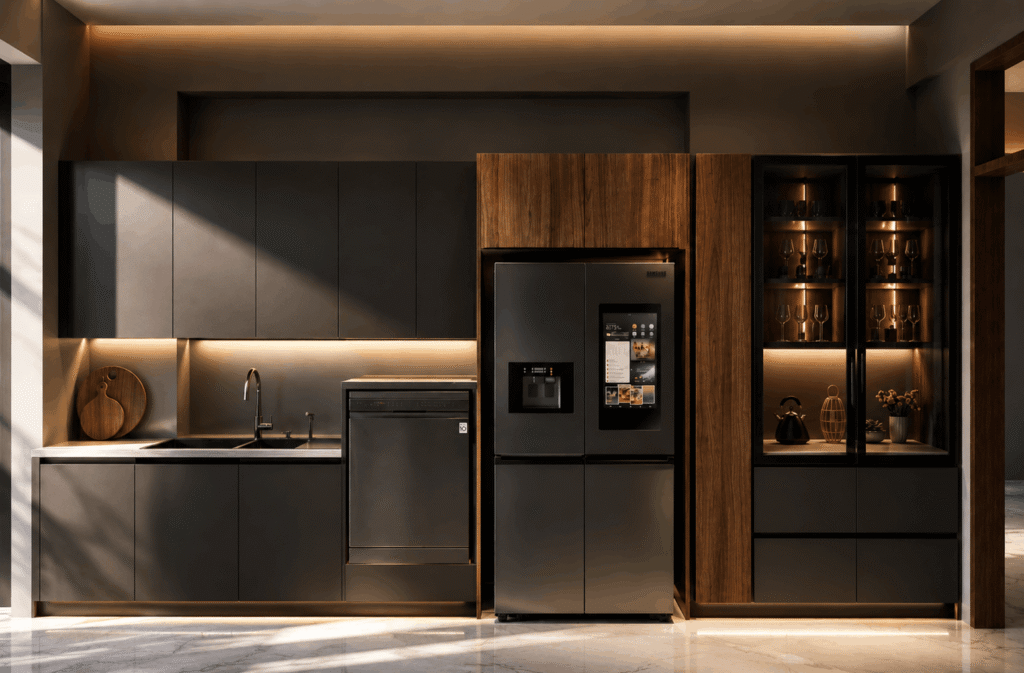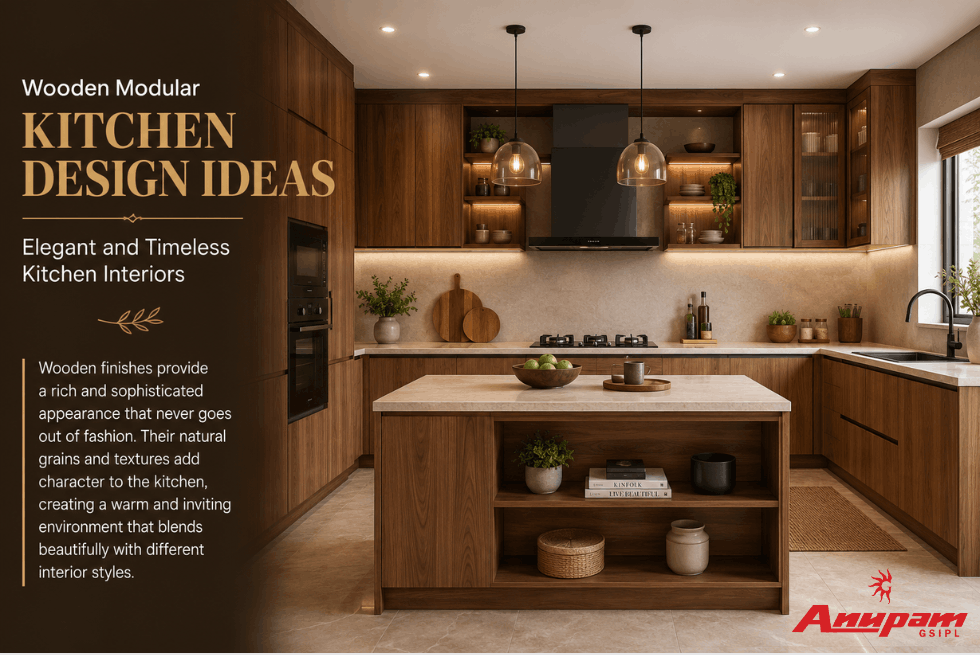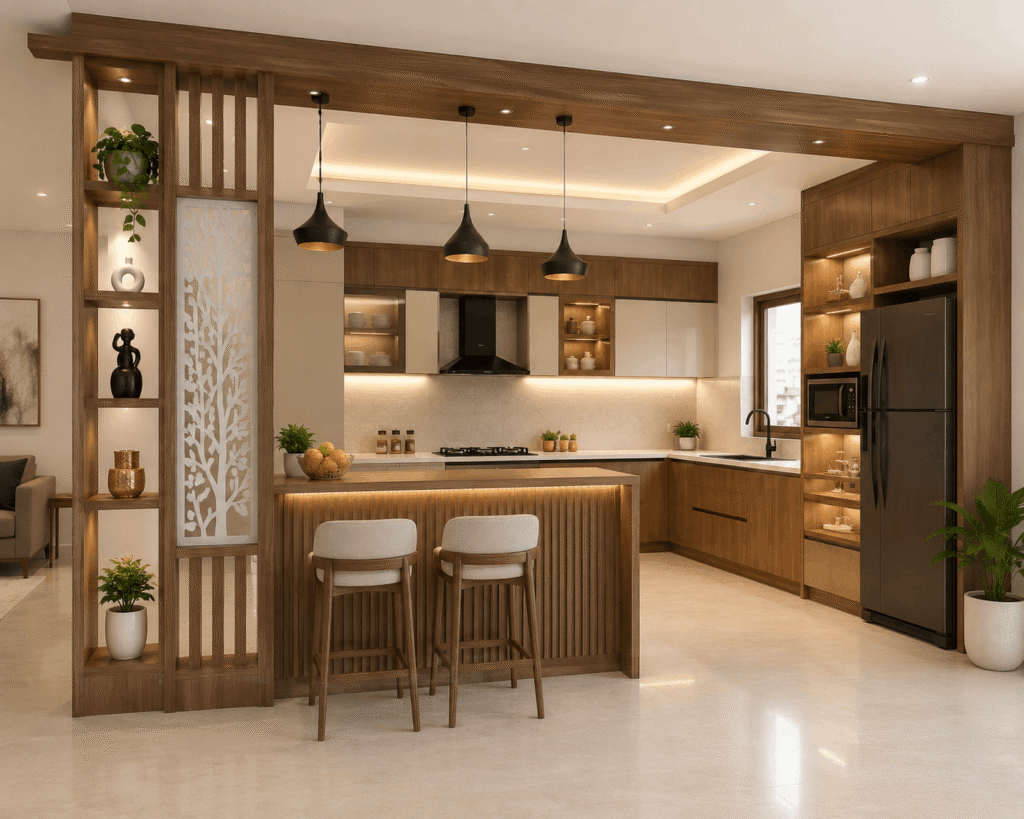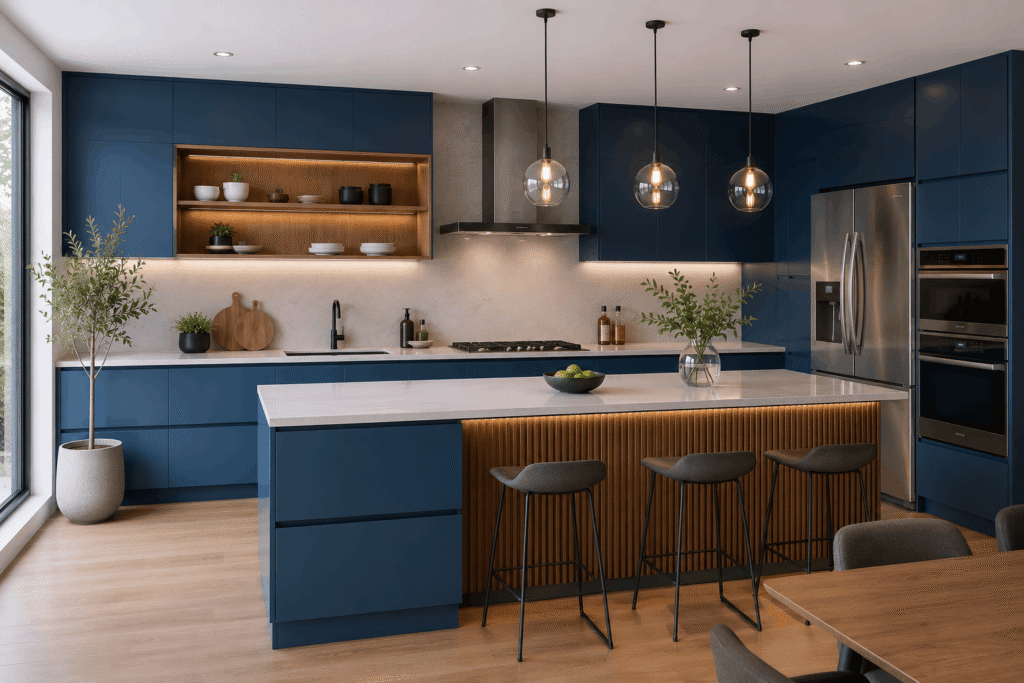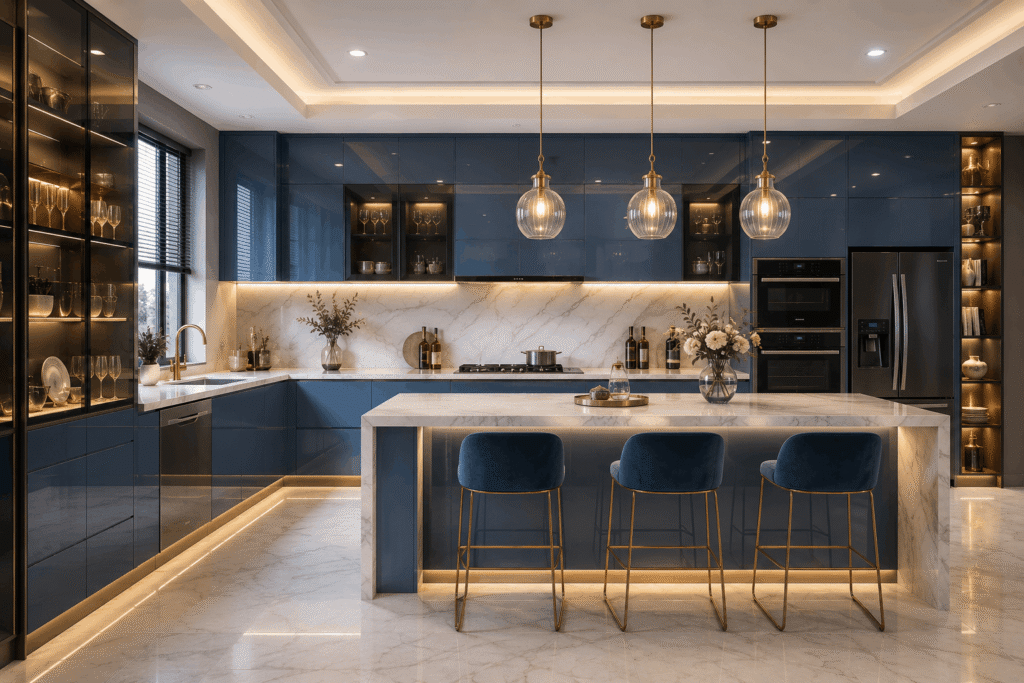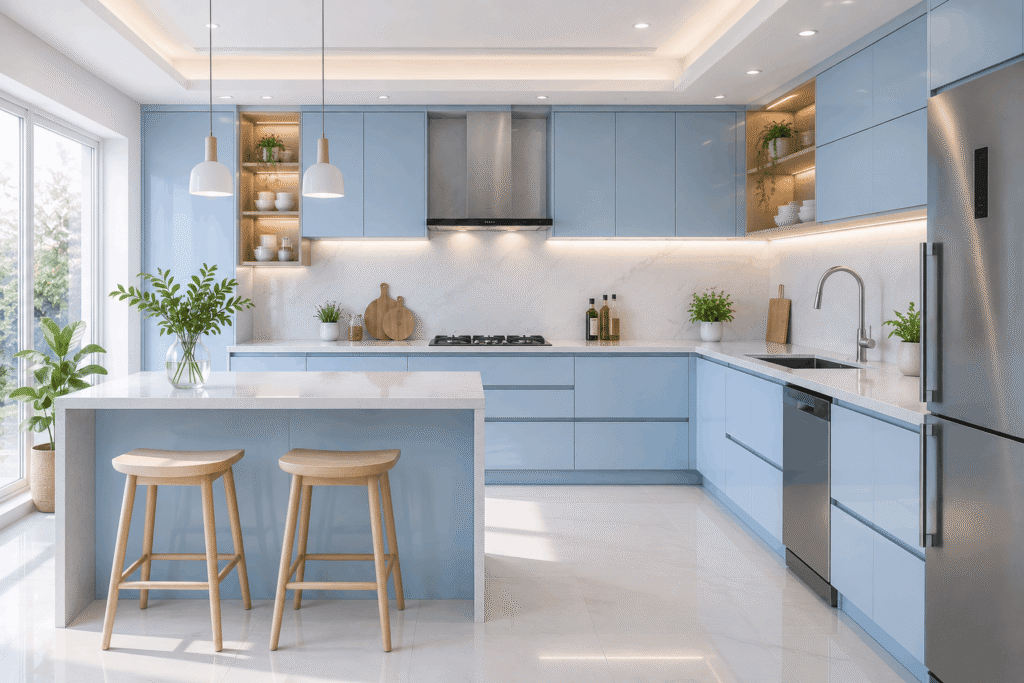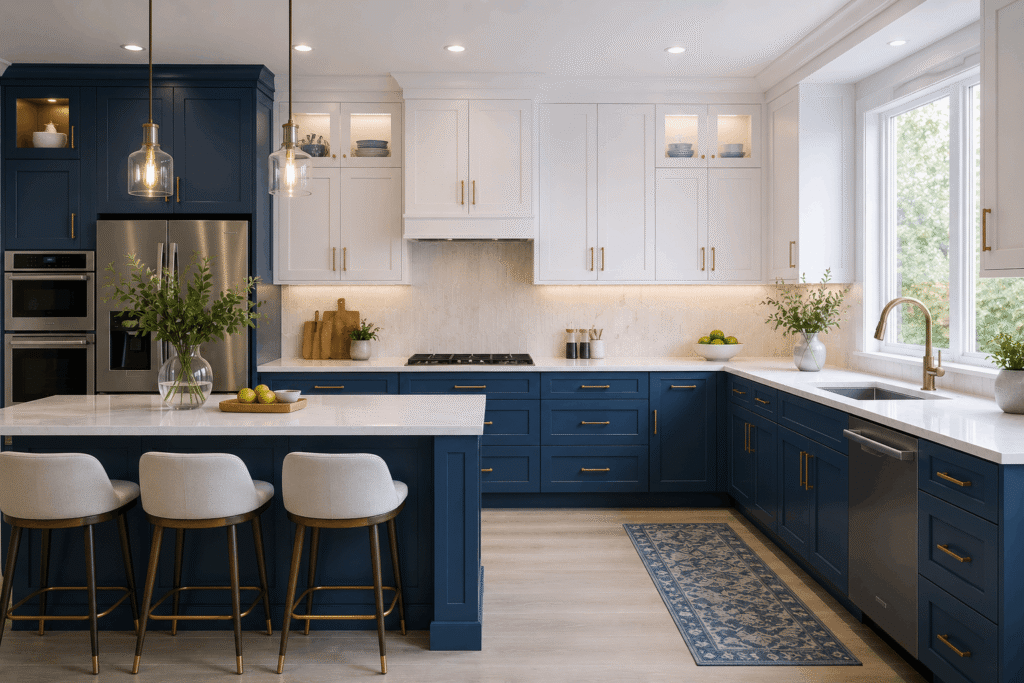
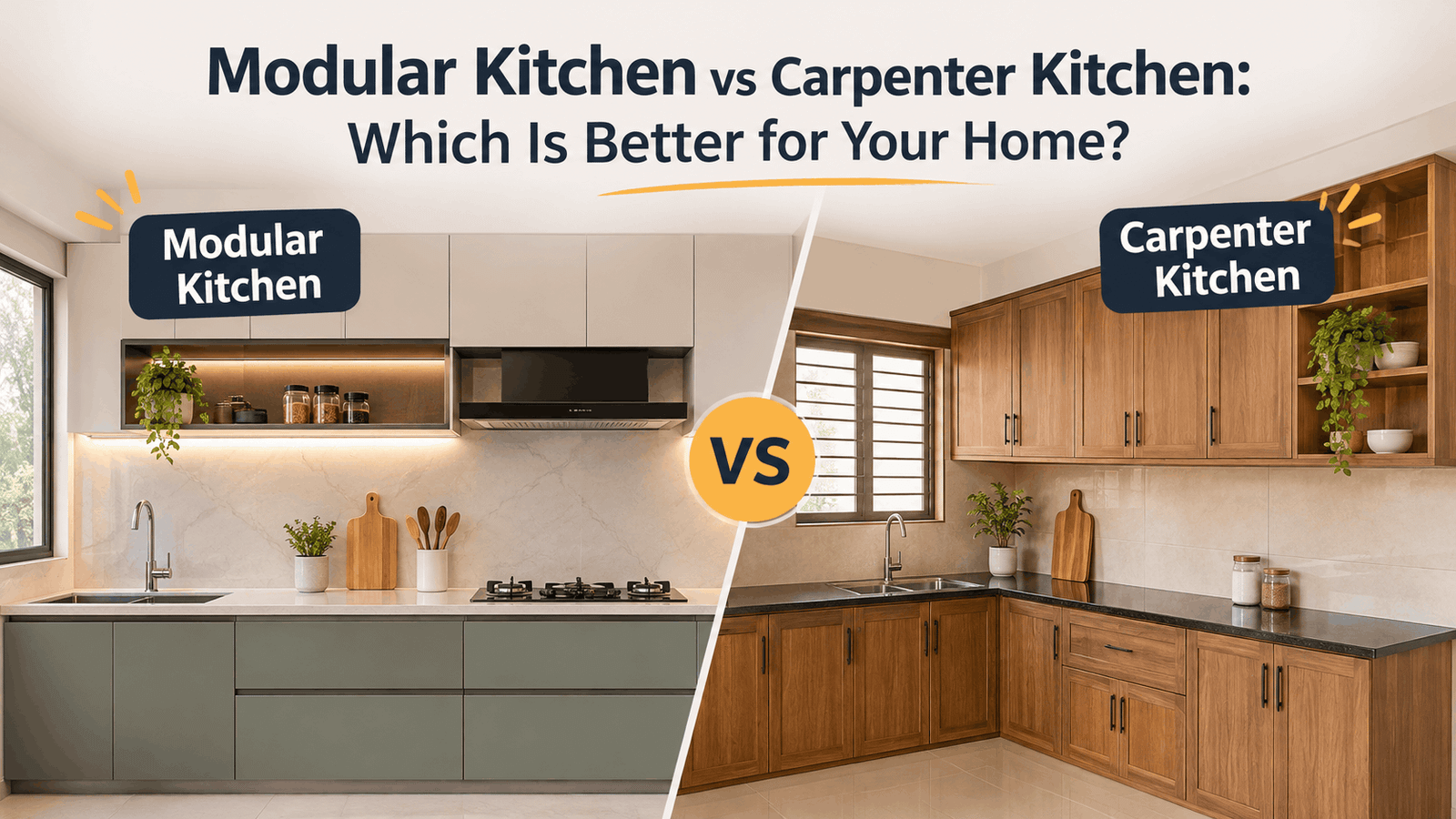
Modular Kitchen vs Carpenter Kitchen: Which Is Better for Your Home?
November 12, 2026

Modular Kitchen vs Carpenter Kitchen: Which Is Better for Your Home?

When planning a new kitchen, one of the biggest decisions homeowners face is choosing between a modular kitchen vs carpenter kitchen.

Both options can create a functional and attractive kitchen, but they differ in design process, manufacturing, installation, customization, storage solutions, hardware, finish, maintenance and overall project management.

A modular kitchen is generally manufactured in modules and assembled at the site, while a carpenter-made kitchen is typically built and fitted at the site according to the available space and design requirements.

So, which one is better?

The answer depends on your budget, kitchen requirements, preferred design, timeline and expectations regarding finish and customization.

This guide explains the difference between a modular kitchen and carpenter kitchen so you can make a more informed decision.

What Is a Modular Kitchen?

A modular kitchen consists of pre-designed and manufactured cabinet modules that are assembled and installed at the kitchen site.

The modules can include:

  • Base cabinets
  • Wall cabinets
  • Tall units
  • Drawers
  • Corner units
  • Pantry units
  • Appliance units
  • Storage accessories

The kitchen can be designed according to the available space and selected layout.

Common layouts include:

  • Straight kitchen
  • L-shaped kitchen
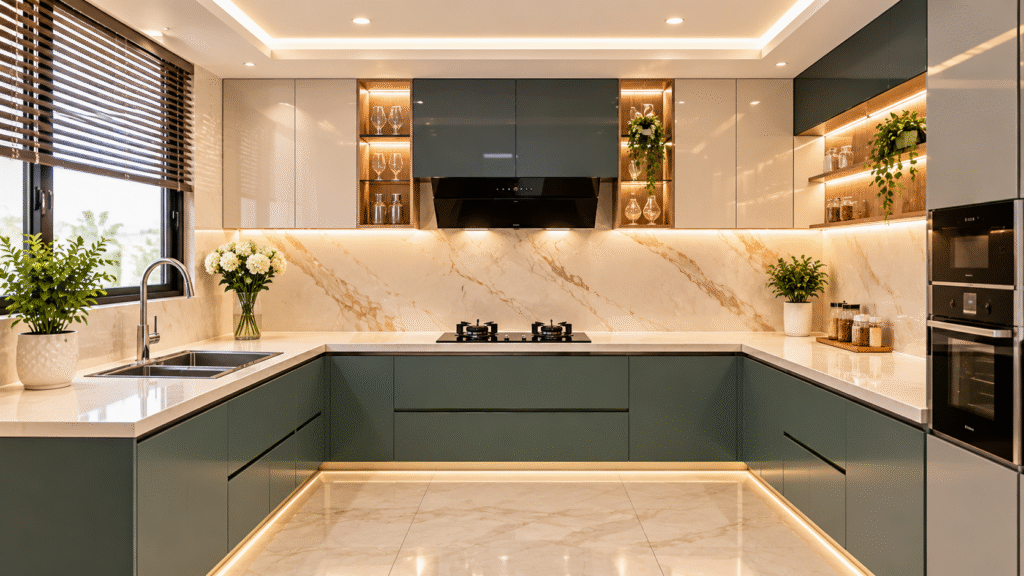
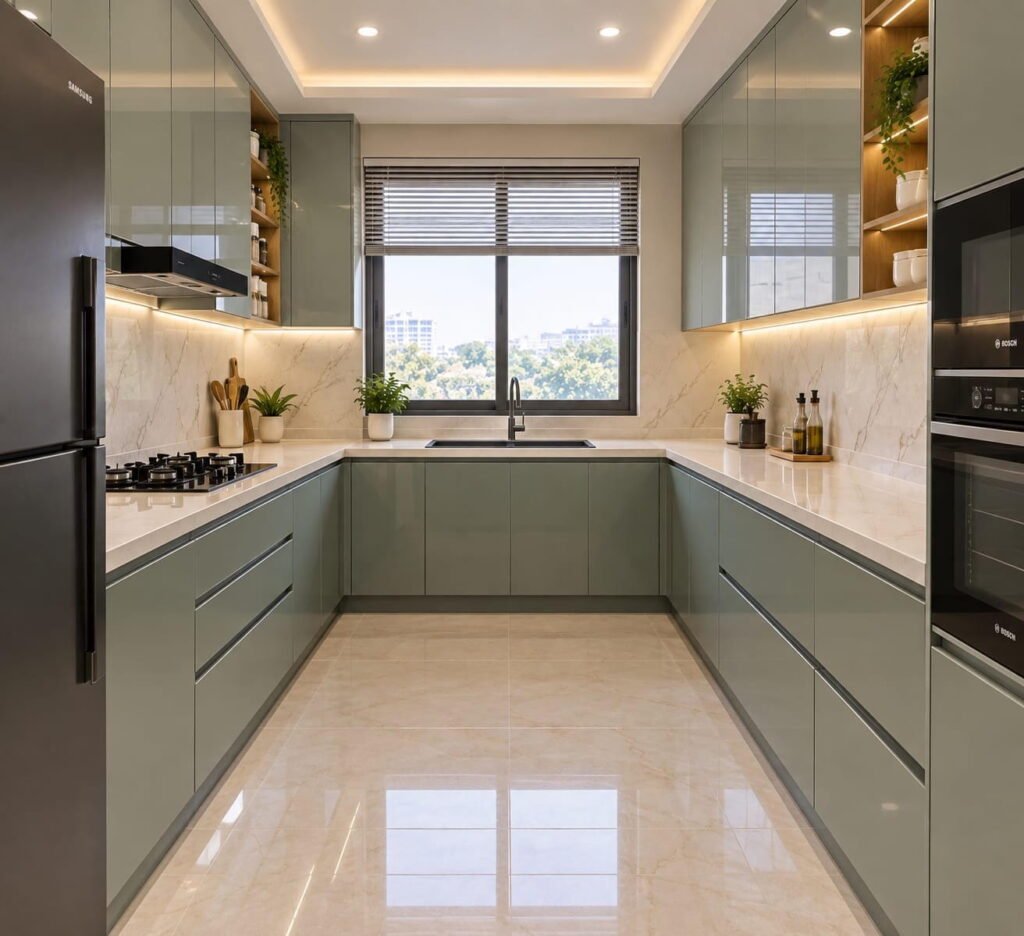
  • U-shaped kitchen
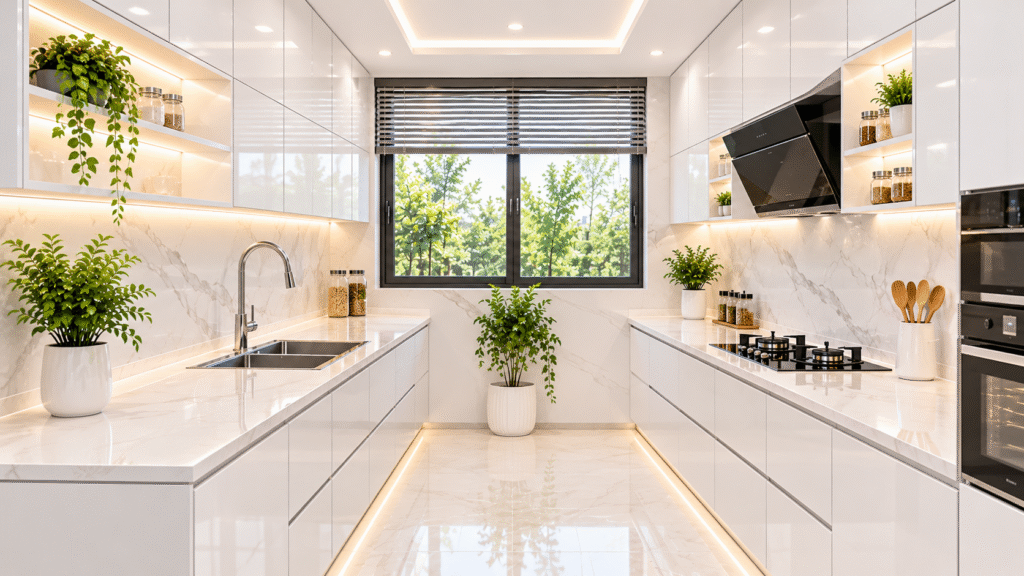
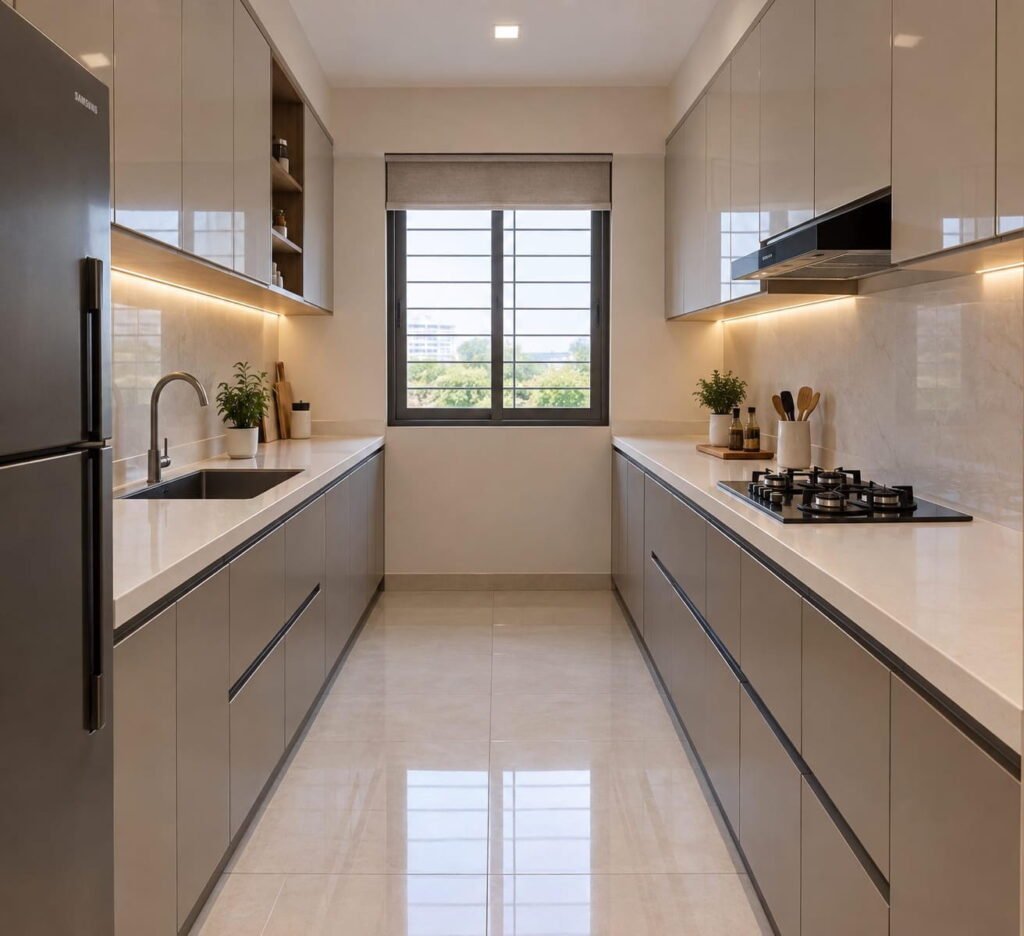
  • Parallel kitchen
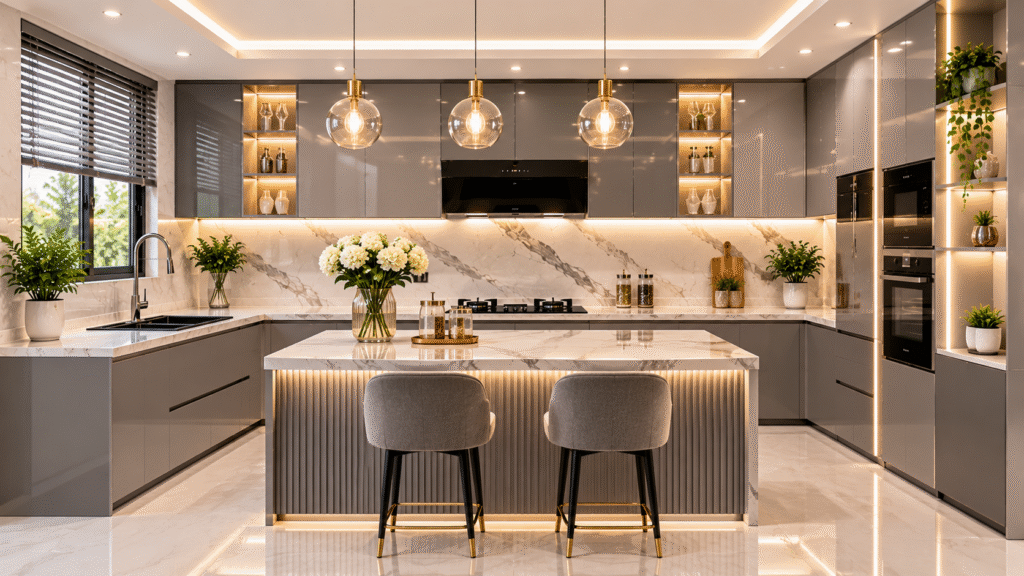
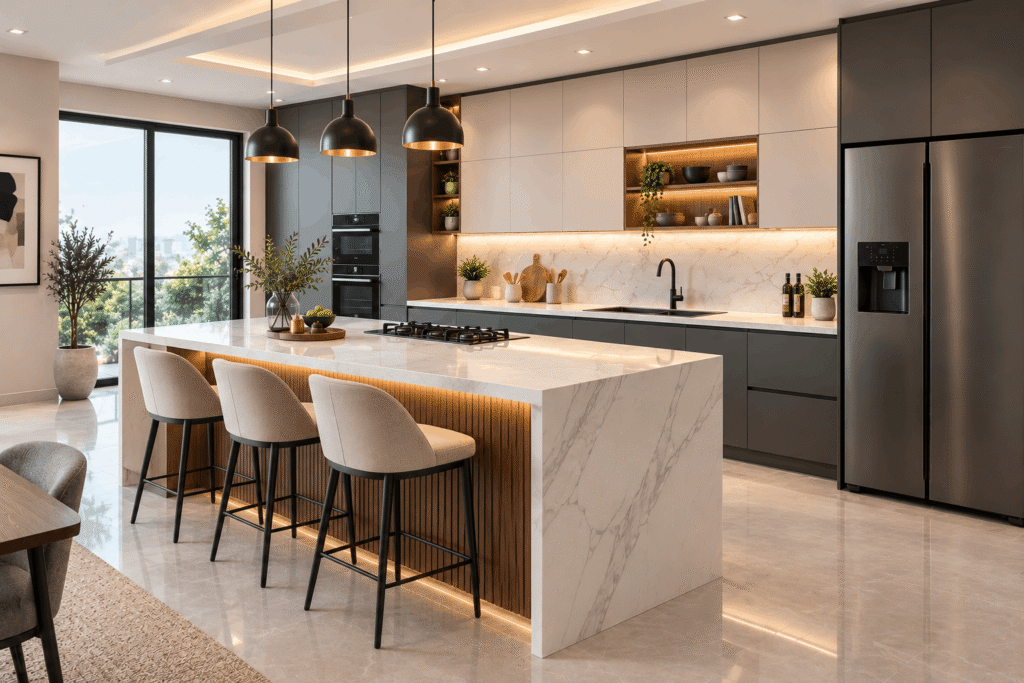
  • Island kitchen

One of the main advantages of modular kitchens is that the design, materials, hardware and modules can generally be planned before manufacturing begins.

What Is a Carpenter Kitchen?

A carpenter kitchen is generally built on-site by a carpenter or woodworking team.

Instead of receiving factory-made cabinet modules, the cabinets are constructed, assembled and fitted at the property.

A carpenter can work according to the dimensions and conditions of the existing kitchen.

Typical components may include:

  • Base cabinets
  • Wall cabinets
  • Shelves
  • Drawers
  • Shutters
  • Countertop support
  • Storage units

The materials and hardware used depend on the carpenter, contractor and specifications agreed with the homeowner.

Modular Kitchen vs Carpenter Kitchen: Key Difference

The biggest difference is the way the kitchen is designed, manufactured and installed.

FeatureModular KitchenCarpenter Kitchen
ManufacturingMostly factory/module basedMainly site-based
InstallationModules assembled at siteCabinets constructed/fitted at site
Design planningUsually detailed before productionCan evolve during site work
CustomizationHigh, within modular systemsHigh, especially for site-specific work
Finish consistencyGenerally more controlledDepends heavily on workmanship
Hardware optionsWide range of specialized hardwareDepends on selected hardware
Installation timeOften more predictableCan vary with site work
MaintenanceIndividual modules/components can be serviced or replacedRepairs may require site work
Quality consistencyMore standardized manufacturingDepends strongly on carpenter skill
Best suited forPlanned, design-led kitchensHighly site-specific/custom work

The exact experience depends on the manufacturer, carpenter, materials and project specifications.

Modular Kitchen vs Carpenter Kitchen: Which Is More Customizable?

Both can be customized, but the nature of customization is different.

Modular Kitchen Customization

A modular kitchen can be customized through:

  • Cabinet dimensions
  • Layout
  • Shutter colours
  • Finishes
  • Hardware
  • Storage accessories
  • Drawer configurations
  • Tall units
  • Corner solutions
  • Appliance integration

The design is usually finalized before manufacturing.

Carpenter Kitchen Customization

A carpenter can make cabinets directly according to site conditions.

This can be useful when:

  • Walls are irregular
  • Existing structures need to be retained
  • Unusual spaces need to be used
  • The homeowner wants site-level modifications

Therefore, carpenter kitchens can offer considerable flexibility for unusual spaces.

Modular Kitchen vs Carpenter Kitchen: Which Has Better Finish?

Finish quality depends on the materials and workmanship used.

A modular kitchen manufactured in a controlled production environment can provide greater consistency in:

  • Panel dimensions
  • Edge finishing
  • Shutter alignment
  • Drilling
  • Hardware installation
  • Surface finishing

With a carpenter kitchen, the final finish depends more heavily on the carpenter’s skills and the quality of materials and tools used at the site.

A highly skilled carpenter can also produce a good-quality kitchen.

Therefore, it is not accurate to say that every modular kitchen will have a better finish than every carpenter kitchen.

The manufacturer, materials and workmanship matter.

Modular Kitchen vs Carpenter Kitchen: Which Is More Durable?

Durability depends on several factors rather than simply whether the kitchen is modular or carpenter-made.

Important factors include:

  • Cabinet material
  • Material thickness
  • Moisture exposure
  • Edge sealing
  • Hardware quality
  • Installation quality
  • Kitchen usage
  • Maintenance

For example, a well-built plywood kitchen with good hardware can perform well whether it is manufactured as a modular system or constructed by a skilled carpenter.

When comparing kitchens, ask for the exact board material, grade, thickness and hardware specifications.

Modular Kitchen vs Carpenter Kitchen: Which Is More Affordable?

There is no universal answer.

The total cost depends on:

  • Cabinet material
  • Shutter finish
  • Hardware
  • Accessories
  • Countertop
  • Number of cabinets
  • Kitchen size
  • Layout
  • Installation
  • Customization

A carpenter kitchen may appear less expensive initially because homeowners can select materials and hardware individually.

However, additional site work, wastage, labour, hardware and finishing can affect the final cost.

A modular kitchen may have a higher initial quotation but can include more structured design, manufacturing, hardware and installation components.

The best approach is to compare complete quotations with identical specifications.

Modular Kitchen vs Carpenter Kitchen: Which Is Faster?

A modular kitchen can have a more predictable installation process because cabinet components are manufactured before installation.

Once the site is ready, modules can be brought to the property and assembled.

A carpenter kitchen is generally constructed at the site, so the project can involve:

  • Cutting
  • Assembly
  • Sanding
  • Shutter preparation
  • Hardware installation
  • Painting or finishing
  • On-site adjustments

The timeline can therefore vary depending on the complexity of the kitchen and the number of workers involved.

However, the actual timeline depends on the manufacturer or carpenter and the project scope.

Modular Kitchen vs Carpenter Kitchen: Hardware

Hardware is one of the most important differences homeowners should examine.

A modular kitchen can be designed with specialized hardware such as:

  • Soft-close hinges
  • Drawer channels
  • Tandem drawers
  • Bottle pull-outs
  • Corner mechanisms
  • Pantry systems
  • Lift-up shutters
  • Waste-bin systems

A carpenter kitchen can also use these products, provided the correct hardware is selected and installed properly.

Therefore, hardware quality is not automatically determined by whether the kitchen is modular or carpenter-made.

Always ask for the exact hardware brand, model and warranty.

Modular Kitchen vs Carpenter Kitchen: Storage

Modern modular kitchens can offer a wide variety of organized storage solutions.

These can include:

  • Base Cabinets: Useful for pots, pans and larger kitchen items.
  • Wall Cabinets: Suitable for frequently used utensils and lightweight storage.
  • Tall Units: Useful for pantry storage and appliances.
  • Corner Units: Designed to improve the usability of difficult corner spaces.
  • Drawer Systems: Useful for cutlery, utensils and smaller items.

A carpenter can also create customized storage, but specialized mechanisms need to be specified and installed correctly.

Modular Kitchen vs Carpenter Kitchen: Maintenance

Maintenance depends on construction quality and materials.

Modular Kitchen

One advantage of modular construction is that individual cabinet components may be easier to remove, service or replace.

For example, a damaged shutter or hardware component can potentially be replaced without reconstructing the entire kitchen.

Carpenter Kitchen

Repairs are generally carried out at the site.

If a cabinet has been constructed as a fixed structure, modification or replacement may require more on-site work.

However, this depends on the construction method.

Modular Kitchen vs Carpenter Kitchen: Which Is Better for Small Kitchens?

For a small kitchen, both options can work.

A modular kitchen can be useful when you want:

  • Organized storage
  • Pull-out accessories
  • Integrated appliances
  • Planned cabinet dimensions
  • A clean contemporary appearance

A carpenter kitchen can be useful when:

  • The space has unusual dimensions
  • Walls are irregular
  • Existing structures need to be retained
  • Extensive site-level customization is required

The correct choice depends on the space and the desired result

Modular Kitchen vs Carpenter Kitchen for Indian Homes

Indian kitchens often have specific requirements related to:

  • Pressure cookers
  • Large utensils
  • Spice storage
  • Masala boxes
  • Gas cylinders
  • Chimneys
  • RO systems
  • Mixers
  • Microwave ovens
  • Heavy cookware
  • Multiple cooking appliances

When designing an Indian kitchen, storage should therefore be planned around the actual cooking habits of the household.

Both modular and carpenter kitchens can accommodate these requirements.

The important point is to communicate your storage requirements before construction begins.

Modular Kitchen vs Carpenter Kitchen: Which Is Better for a New Home?

For a new home where the kitchen layout and dimensions are already known, a modular kitchen can provide a structured design and manufacturing process.

You can finalize:

  • Kitchen layout
  • Cabinet configuration
  • Material
  • Finish
  • Hardware
  • Accessories
  • Appliances

before manufacturing.

A carpenter kitchen can also work well when the homeowner wants extensive on-site customization.

Modular Kitchen vs Carpenter Kitchen: Which Is Better for Renovation?

For renovation projects, the choice depends on the existing conditions.

A modular kitchen may be suitable when the homeowner wants to replace the existing cabinets with a new planned system or in future wants to reuse their existing kitchen in a new space .

A carpenter may be useful when the renovation involves unusual modifications or integration with existing structures.

Before choosing either option, inspect:

  • Plumbing
  • Electrical points
  • Wall condition
  • Flooring
  • Ceiling
  • Existing appliances
  • Gas connection
  • Sink position

This can help avoid unexpected work later.

Pros and Cons of Modular Kitchen

Advantages

  • Structured design process
  • Wide range of finishes
  • Specialized storage accessories
  • Modern hardware options
  • Consistent manufacturing
  • Faster site installation in many projects
  • Easier planning before production
  • Suitable for contemporary kitchen designs

Disadvantages

  • Customization may have system limitations
  • Premium finishes and hardware can increase cost
  • Changes after manufacturing may be more complicated
  • Final price depends on the selected specifications

Pros and Cons of Carpenter Kitchen

Advantages

  • High site-level flexibility
  • Can accommodate unusual spaces
  • Easy to make certain on-site modifications
  • Materials and hardware can be selected separately
  • Can work well for highly customized requirements

Disadvantages

  • Quality depends heavily on workmanship
  • Site work can take longer
  • Finish consistency can vary
  • Project supervision may be required
  • Specialized hardware may need careful installation
  • Final cost can change as site requirements evolve

Modular Kitchen vs Carpenter Kitchen: Complete Comparison

FactorModular KitchenCarpenter Kitchen
DesignPlanned before productionOften developed around site work
ManufacturingFactory/module basedMainly on-site
CustomizationHighVery high for site-specific requirements
Finish consistencyGenerally more standardizedDepends on workmanship
InstallationUsually structuredMore site-dependent
HardwareWide specialized optionsDepends on selected hardware
Storage accessoriesEasily integratedCan be added if properly planned
RepairsComponents can often be serviced/replacedUsually repaired on-site
TimelineOften more predictableCan vary
CostDepends on complete specificationDepends on materials, labour and site work
Best forPlanned modern kitchensHighly site-specific kitchens

How to Choose Between Modular and Carpenter Kitchen

Before making your decision, consider these questions:

1. What Is Your Budget?

Set a realistic budget for cabinets, hardware, countertop, appliances and installation.

2. How Much Customization Do You Need?

If your kitchen has unusual dimensions, site-level customization may be important.

3. What Finish Do You Want?

Compare laminate, acrylic, PU, veneer and other finishes according to your budget and maintenance requirements.

4. What Hardware Do You Need?

Decide whether you need soft-close drawers, pull-outs, corner mechanisms or pantry systems.

5. How Quickly Do You Need the Kitchen?

Discuss the complete timeline before finalizing the project.

6. Who Will Handle the Project?

Check whether you are dealing with a manufacturer, designer, contractor or individual carpenter.

7. What Warranty Is Provided?

Ask for written warranty terms for cabinetry, hardware and other components.

What Should You Check Before Choosing a Modular Kitchen Company?

If you choose a modular kitchen, do not compare companies only on price.

Check:

  • Cabinet material
  • Material thickness
  • Shutter specification
  • Hardware brand
  • Hardware warranty
  • Accessories
  • Countertop
  • Installation
  • Project timeline
  • Warranty
  • After-sales service

Anupam Kitchen own guidance similarly recommends checking materials, hardware, warranty, manufacturing capability and what is included in the quotation before selecting a modular kitchen manufacturer.

How Anupam Kitchen Can Help With Modular Kitchen Planning

For homeowners considering a modular kitchen, Anupam Kitchen provides modular kitchen design and planning options.

The right kitchen should be planned around:

  • Available space
  • Kitchen layout
  • Storage requirements
  • Material preferences
  • Shutter finish
  • Hardware
  • Appliances
  • Budget

Instead of selecting a kitchen only by appearance or advertised price, homeowners should compare the complete specification and expected functionality.

Frequently Asked Questions

Q1. Is a modular kitchen better than a carpenter kitchen?

Neither option is universally better. A modular kitchen can offer structured manufacturing, organized storage and predictable installation, while a carpenter kitchen can provide extensive site-level customization. The right choice depends on your requirements.

Q2. Which is cheaper, a modular kitchen or carpenter kitchen?

There is no fixed answer. The final cost depends on materials, hardware, accessories, labour, countertop, layout and installation. Compare complete quotations rather than only the initial price.

Q3. Which kitchen lasts longer?

Durability depends on material quality, construction, hardware, moisture protection, installation and maintenance. Both modular and carpenter kitchens can be durable when properly designed and constructed.

Q4. Is a modular kitchen more customizable?

Modular kitchens offer extensive customization through cabinet configurations, finishes, hardware and accessories. Carpenter kitchens may provide greater flexibility for unusual site conditions and on-site modifications.

Q5. Is a carpenter kitchen good for an Indian kitchen?

Yes. A carpenter-made kitchen can be designed around Indian cooking requirements, including large utensils, spices, appliances and storage needs. However, modular kitchens generally offer better finishing consistency, precision manufacturing, organised storage and easier replacement of individual units. 

Q6. Which kitchen is faster to install?

A modular kitchen can generally have a more structured installation process because modules are manufactured before installation. The actual timeline depends on the project and manufacturer.

Q7. Can carpenter kitchens use modular kitchen hardware?

Yes. Specialized hinges, drawer systems and pull-outs can also be installed in carpenter-made kitchens when the cabinets are designed correctly for them.

Q8. Which is easier to maintain?

Modular kitchens can make certain component-level replacements easier, while carpenter kitchens are generally repaired on-site. Maintenance ultimately depends on construction quality and materials.

Q9. Should I choose a modular or carpenter kitchen for a small kitchen?

Both can work. A modular kitchen can provide organized storage and specialized accessories, while a carpenter kitchen may be useful when the space requires extensive site-specific customization.

Conclusion

Choosing between a modular kitchen vs carpenter kitchen depends on more than the initial price.

A modular kitchen can be a strong option if you want a planned design, organized storage, modern hardware, consistent manufacturing and a structured installation process.

A carpenter kitchen can be suitable if your priority is extensive on-site customization, unusual dimensions or flexibility during construction.
Kitchen Design Types Guide
November 5, 2026

Types of Kitchen Design: 6 Kitchen Layouts Guide

The kitchen is more than just a place to cook. In modern homes, it is an important part of daily life where families prepare meals, spend time together, entertain guests, and organize their routines. Choosing the right kitchen layout can make a significant difference to storage, movement, functionality, and overall appearance.

There are several types of kitchen design available today, including straight, L-shaped, U-shaped, parallel, island, and peninsula kitchens. The best option depends on your room size, kitchen shape, cooking habits, storage requirements, appliances, and lifestyle.

If you are planning a new kitchen or renovating an existing one, understanding the different kitchen layouts can help you make a more informed decision.

What Are the Different Types of Kitchen Design?

Kitchen design refers to the way cabinets, countertops, appliances, storage units, and work areas are arranged within the available space. A well-planned kitchen should balance aesthetics with functionality and provide enough room for cooking, cleaning, storage, and movement.

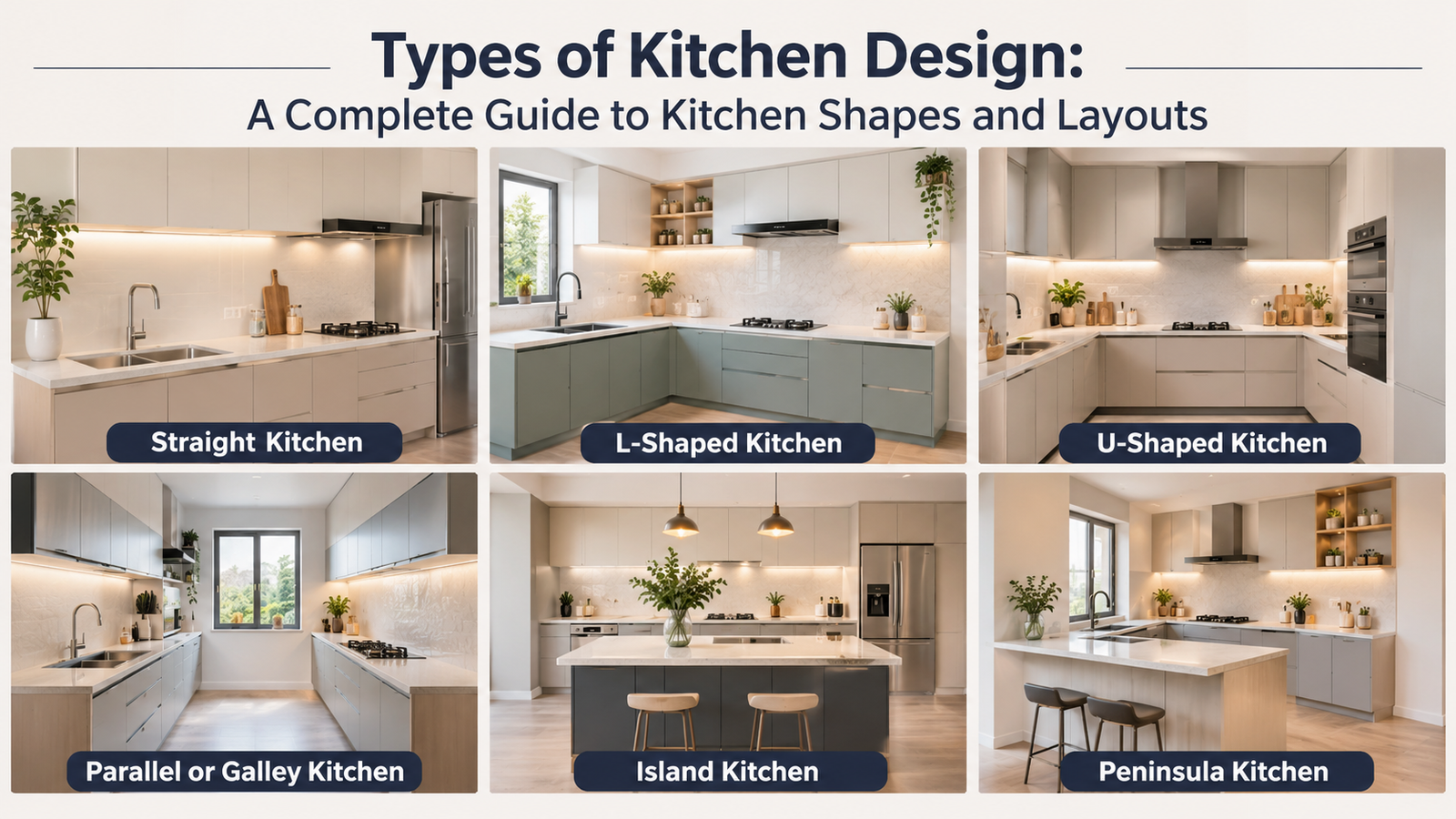
The six common kitchen layouts are:

  • Straight kitchen
  • L-shaped kitchen
  • U-shaped kitchen
  • Parallel or galley kitchen
  • Island kitchen
  • Peninsula kitchen

Each layout can be customized with different cabinet finishes, countertops, lighting, storage solutions, hardware, and appliances.

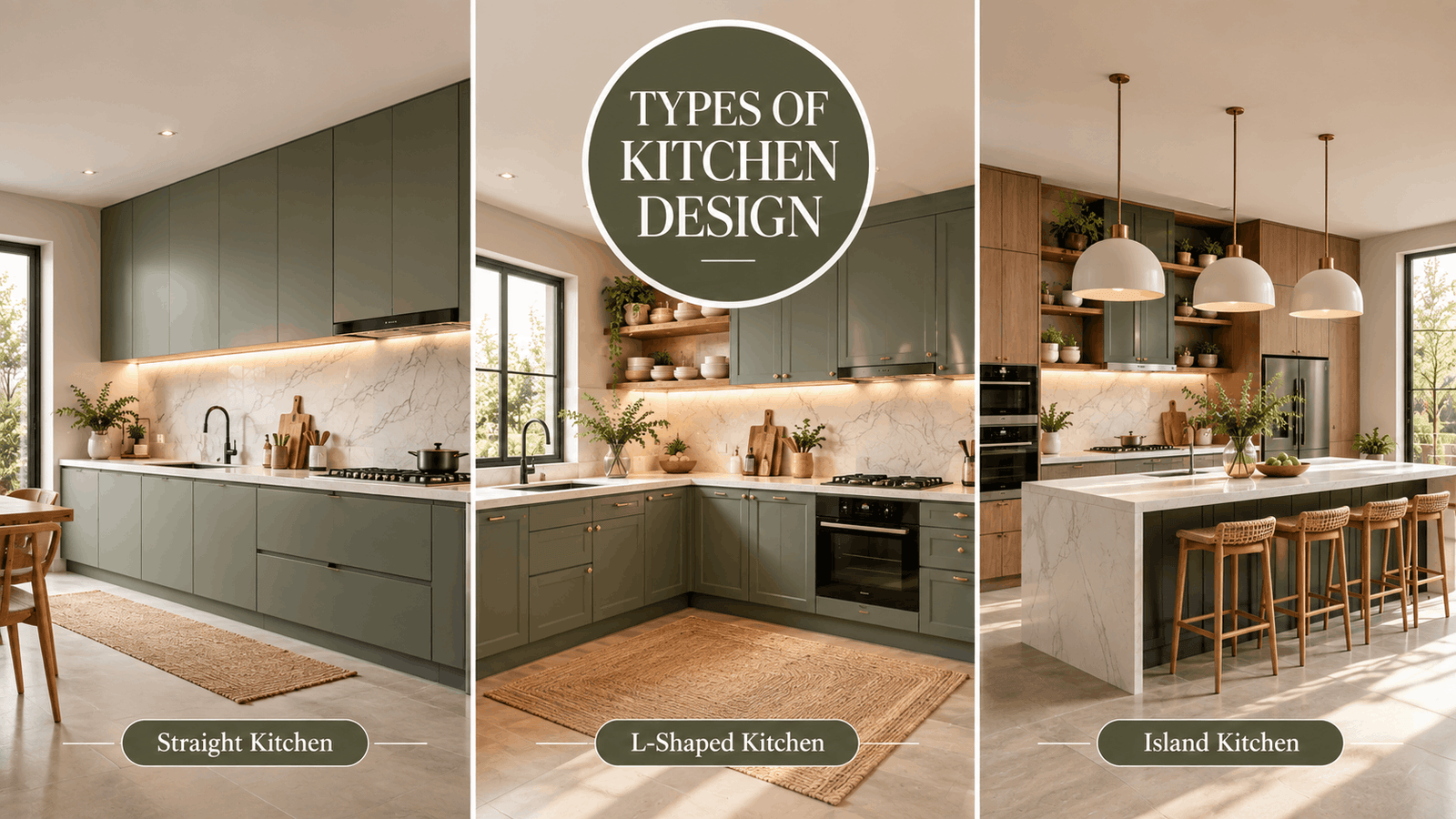
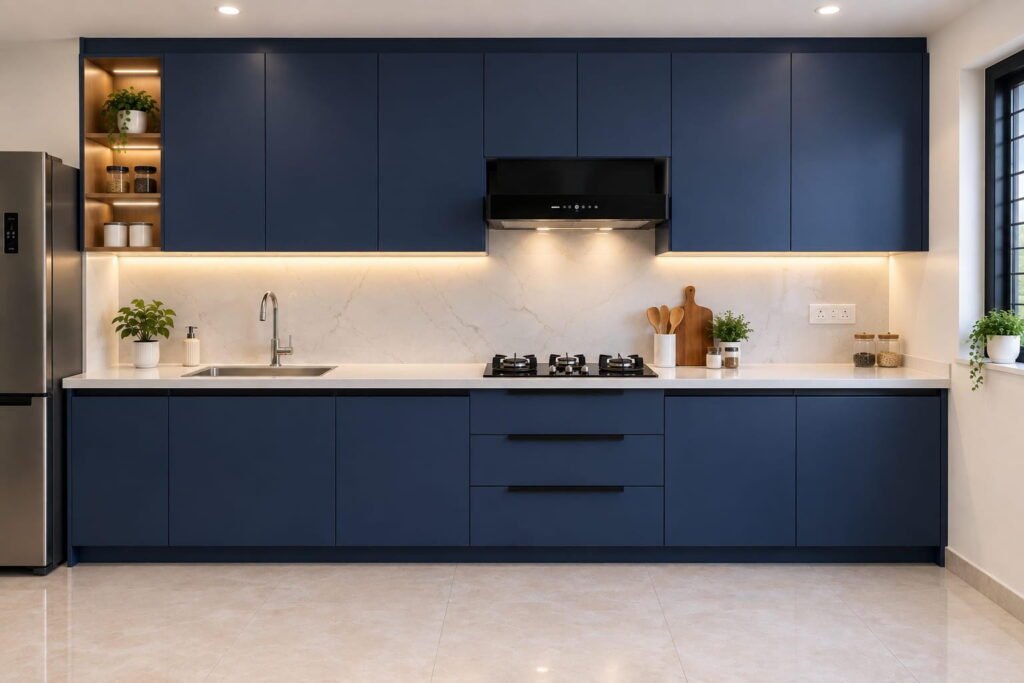
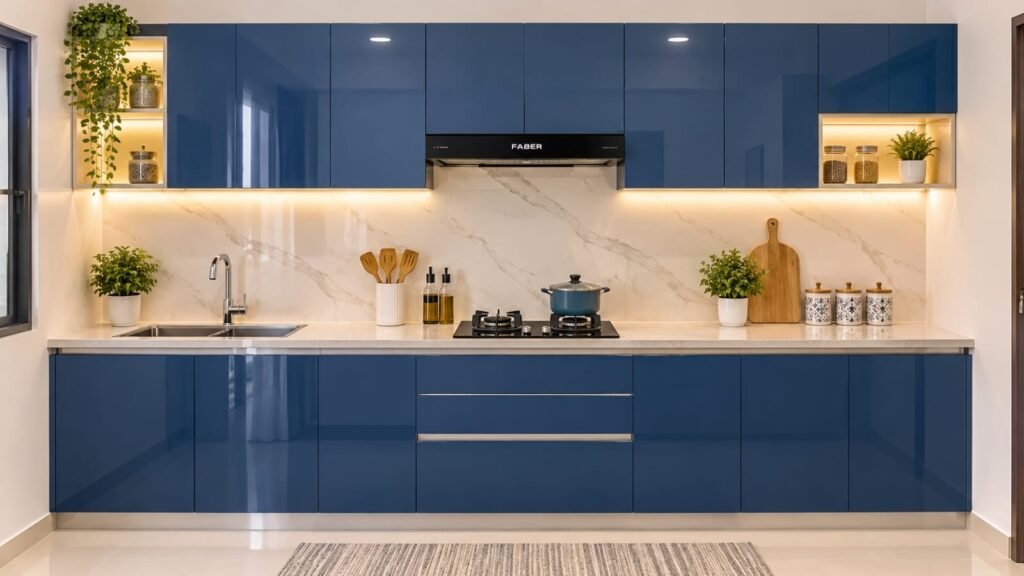
1. Straight Kitchen Design

A straight kitchen also called a single-wall kitchen, places the cabinets, appliances, and countertop along one wall.

This is one of the most practical kitchen layouts for compact homes, apartments, and studio spaces. Because everything is arranged along a single wall, the remaining floor area can be used for movement, dining, or other furniture.

A straight kitchen can include:

  • Base cabinets
  • Overhead cabinets
  • Drawers
  • Tall storage units
  • Built-in appliances
  • Pantry storage

When planning this layout, the refrigerator, sink, and cooking area should be positioned logically to create a convenient workflow. Sufficient countertop space should also be provided for food preparation.

Best suited for: Small apartments, studio homes, and compact kitchens.

Advantages of a Straight Kitchen

  • Space-efficient
  • Simple to plan
  • Suitable for small rooms
  • Leaves more open floor space
  • Easy to maintain

Things to Consider

The main limitation is that countertop and storage space may be more limited compared with L-shaped or U-shaped kitchens.

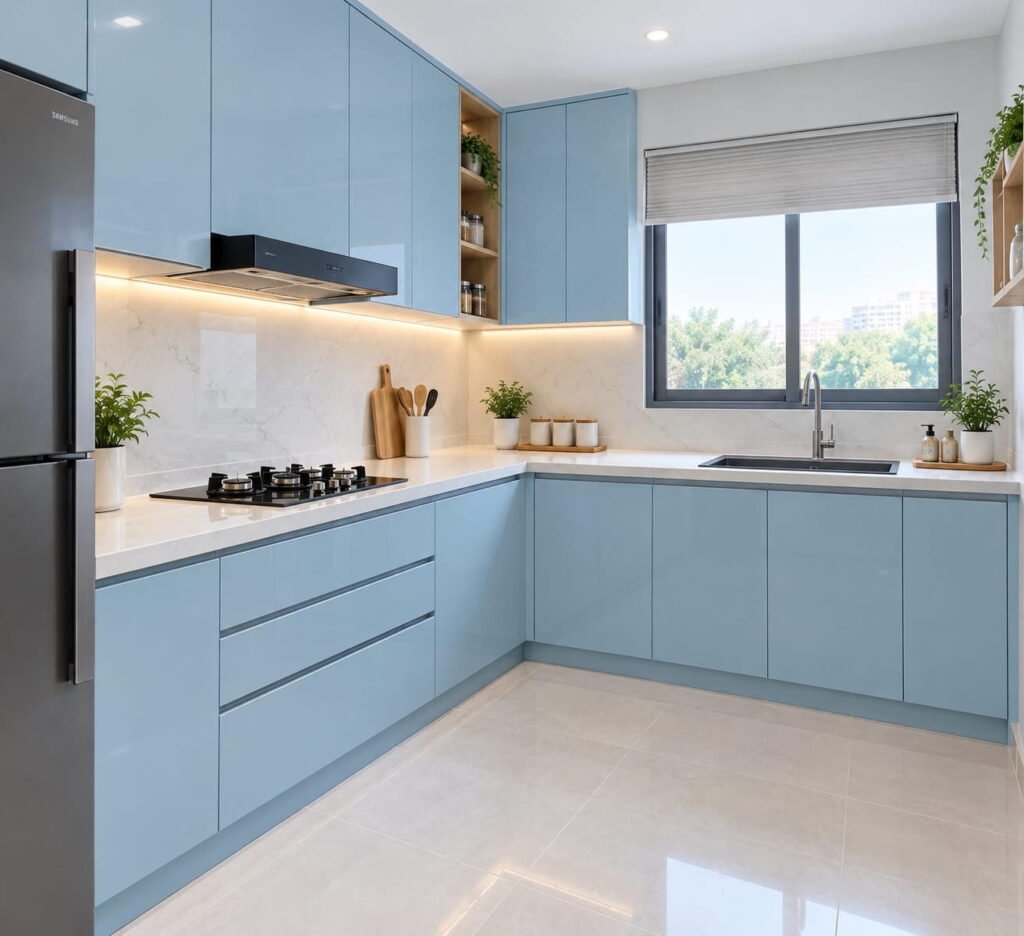
2. L-Shaped Kitchen Design

An L-shaped kitchen uses two adjoining walls to create an L-shaped working area. It is one of the most versatile kitchen layouts for modern homes.

This design provides more countertop and storage space than a straight kitchen while keeping the center of the room relatively open. Depending on the available space, homeowners may also be able to include a dining table, breakfast counter, or kitchen island.

An L-shaped kitchen can naturally separate different work areas. For example, food preparation can be arranged on one section while cooking and cleaning take place along the other.

Best suited for: Small to medium-sized homes and open-plan spaces.

Advantages of an L-Shaped Kitchen

  • Flexible layout
  • Good use of two walls
  • More counter space than a straight kitchen
  • Keeps the central area relatively open
  • Can accommodate a small dining or breakfast area

Things to Consider

Corner cabinets need careful planning because poorly designed corners can make storage difficult to access.

3. U-Shaped Kitchen Design

A U-shaped kitchen uses three walls to create a continuous work area. It is particularly suitable for homeowners who need substantial countertop and storage space.

This layout can accommodate multiple cabinets, drawers, appliances, and preparation zones. It can be a practical option for larger families and people who cook frequently.

Because the kitchen surrounds the user on three sides, frequently used items can remain within easy reach. However, sufficient room is necessary to maintain comfortable movement.

Best suited for: Spacious kitchens, larger families, and homeowners who need extensive storage.

Advantages of a U-Shaped Kitchen

  • Plenty of countertop space
  • High storage capacity
  • Multiple work zones
  • Suitable for frequent cooking
  • Efficient use of three walls

Things to Consider

A U-shaped kitchen can feel crowded if the room is too narrow. Walking space, cabinet depth, corner storage, and appliance placement should therefore be planned carefully.

4. Parallel or Galley Kitchen

A parallel kitchen, also known as a galley kitchen, has two opposing runs of cabinets and countertops. It is commonly used in long or narrow rooms.

One side can be dedicated to the sink and food preparation, while the opposite side can accommodate cooking appliances, refrigeration, and additional storage.

This arrangement can make efficient use of a narrow room without requiring a large overall floor area.

Best suited for: Long, narrow, or rectangular kitchen spaces.

Advantages of a Parallel Kitchen

  • Efficient use of narrow spaces
  • Good amount of workspace
  • Clear separation of work zones
  • Suitable for compact and medium-sized kitchens

Things to Consider

The central walkway needs to remain comfortable. Door openings, windows, appliance doors, and movement between work areas should be considered before finalizing the design.

5. Island Kitchen Design

An island kitchen includes a separate work surface positioned in the center of the kitchen. It is one of the most popular choices for spacious and open-plan homes.

A kitchen island can serve several purposes. Depending on the design, it can provide:

  • Additional countertop space
  • Extra storage
  • Seating
  • Food preparation space
  • A cooking zone
  • A sink or hob

Apart from functionality, an island can become the visual centerpiece of a kitchen. It can also create a natural connection between the kitchen, dining, and living areas.

Best suited for: Large kitchens and open-plan homes.

Advantages of an Island Kitchen

  • Additional workspace
  • Extra storage
  • Can provide casual seating
  • Suitable for entertaining
  • Strong visual appeal
  • Works well in open-plan homes

Things to Consider

An island requires adequate clearance on all sides. Installing one in a small kitchen without sufficient walking space can make the room uncomfortable.

6. Peninsula Kitchen

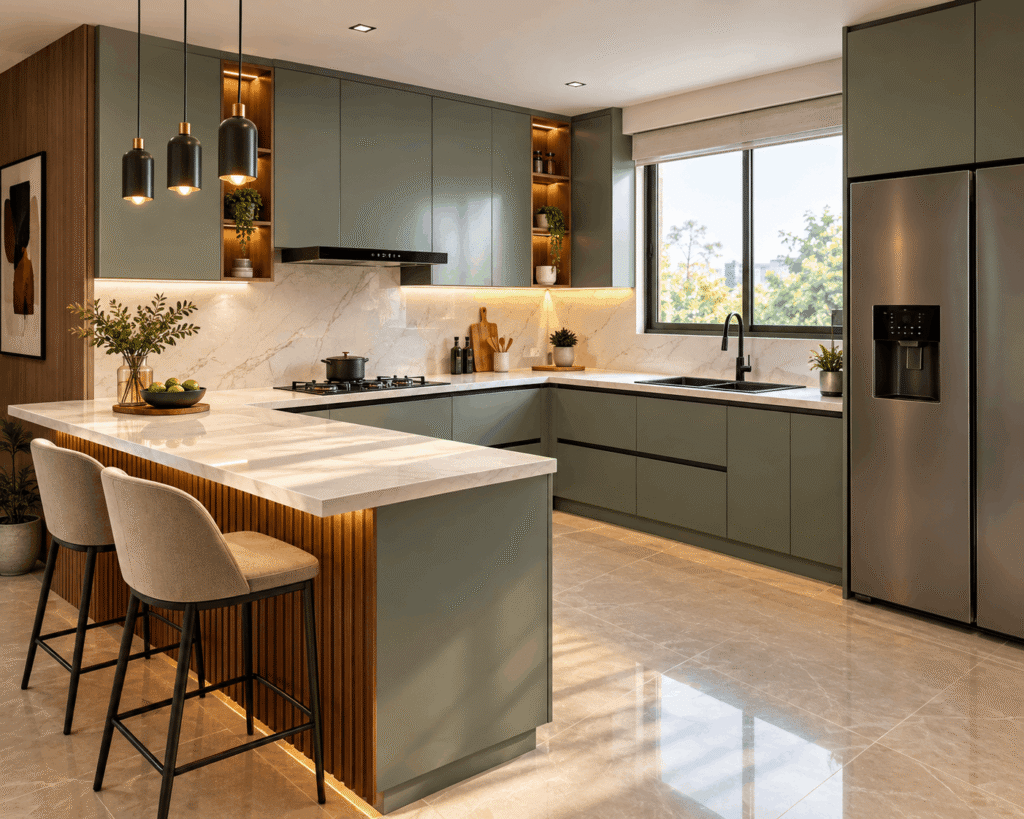
A peninsula kitchen is similar to an island kitchen, but the additional counter is connected to the main kitchen cabinetry.

It can provide some of the benefits of an island without requiring as much floor space. This makes it a useful option for medium-sized kitchens where a freestanding island may not leave enough room for comfortable movement.

A peninsula can provide:

  • Additional preparation space
  • Extra storage
  • Casual seating
  • A visual division between the kitchen and another living area

Best suited for: Medium-sized kitchens and open-plan spaces where a full island may not be practical.

Kitchen Shape vs Kitchen Layout: What’s the Difference?

Understanding the difference between kitchen shape and kitchen layout can make kitchen planning easier.

Kitchen shape refers to the physical characteristics and dimensions of the room, such as whether the space is narrow, square, rectangular, or open.

Kitchen layout refers to how cabinets, countertops, appliances, storage, and work areas are arranged within that space.

For example, a long rectangular room may be suitable for a parallel kitchen, while a compact room with two usable adjoining walls may work well with an L-shaped layout.

The physical characteristics of the room should therefore be considered before selecting a kitchen layout.

How to Measure Your Kitchen Before Choosing a Layout

Before selecting a kitchen design, measure the complete room and note:

  • Wall lengths
  • Door positions
  • Window locations
  • Ceiling height
  • Plumbing points
  • Electrical outlets
  • Gas connections
  • Ventilation points
  • Available walking space

These measurements can help prevent problems during the planning and installation stages.

Types of Kitchen Layout for Small Homes

Small kitchens require careful planning because every part of the available space matters.

A straight kitchen can be a practical choice because all major functions remain along one wall, leaving more open floor space.

A L-shaped kitchen can also work well in compact homes because it uses two adjoining walls while keeping the center relatively open.

To maximize storage in a small kitchen, consider:

  • Tall cabinets
  • Overhead cabinets
  • Pull-out drawers
  • Corner storage
  • Vertical storage
  • Integrated appliances
  • Multi-purpose cabinets

The best small kitchen layout is not necessarily the one with the most cabinets. It is the one that provides sufficient storage while maintaining comfortable movement and easy access.

Types of Kitchen Layout for Large Homes

Larger homes provide more flexibility when selecting a kitchen layout.

A U-shaped kitchen can provide extensive workspace and storage, while an island can create a multifunctional area for preparation, seating, and social interaction.
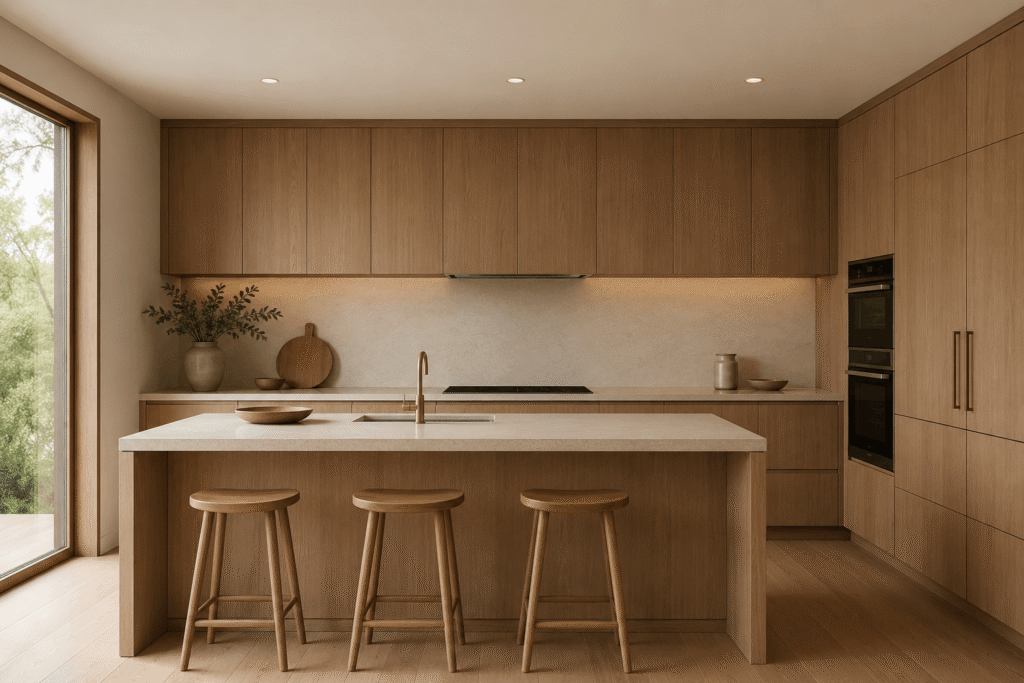
Large kitchens may also accommodate:

  • Pantry units
  • Tall appliance cabinets
  • Breakfast counters
  • Dedicated storage zones
  • Large kitchen islands

However, additional space does not automatically guarantee better functionality. The placement of work areas and appliances should still be planned carefully to reduce unnecessary movement.

Kitchen Layout Comparison

Kitchen LayoutBest ForSpace RequirementMain BenefitMain Consideration
StraightSmall homesSmallSpace-efficientLimited workspace
L-ShapedSmall to medium homesSmall/MediumFlexible and openCorner storage
U-ShapedLarge kitchensMedium/LargeHigh storage and workspaceRequires sufficient room
ParallelNarrow roomsSmall/MediumEfficient workflowCentral walkway
IslandLarge/open-plan homesLargeWorkspace and seatingNeeds clearance
PeninsulaMedium kitchensMediumIsland-like functionalityConnected to main cabinetry

How to Choose the Right Type of Kitchen

Choosing the right kitchen layout begins with understanding how you use the space.

Ask yourself:

  1. How much storage do you need?
  2. How frequently do you cook?
  3. How many people use the kitchen?
  4. Which appliances are essential?
  5. Do you need seating?
  6. How much countertop space do you require?
  7. Is the kitchen connected to the dining or living area?
  8. What is the existing kitchen shape?
  9. How much walking space is available?
  10. What kitchen style do you prefer?

For example, a straight kitchen may be sufficient for occasional cooking in a compact home. An L-shaped kitchen can provide additional workspace while keeping the center open. Families requiring more storage may prefer a U-shaped layout, while parallel kitchens can work well in narrow rooms.

Island kitchens are generally better suited to larger open spaces, while peninsula kitchens can provide some island functionality where space is more limited.

Storage and Functionality in Kitchen Design

Storage is an essential part of a functional kitchen. Even an attractive kitchen layout can become inconvenient if there is not enough space for cookware, groceries, appliances, and everyday items.

Depending on your requirements, modern kitchens can include:

  • Deep drawers
  • Tall pantry units
  • Corner storage
  • Pull-out baskets
  • Overhead cabinets
  • Appliance storage
  • Specialized organizers

Frequently used items should be kept in easily accessible locations, while less frequently used items can be stored in higher or deeper cabinets.

The Importance of the Kitchen Work Triangle

When planning different kitchen layouts, consider the relationship between the refrigerator, sink, and cooking area.

These are important activity points in a kitchen because people frequently move between food storage, preparation, and cooking.

A practical layout should minimize unnecessary movement. Countertop space around the sink and cooking zone should also be sufficient for everyday food preparation.
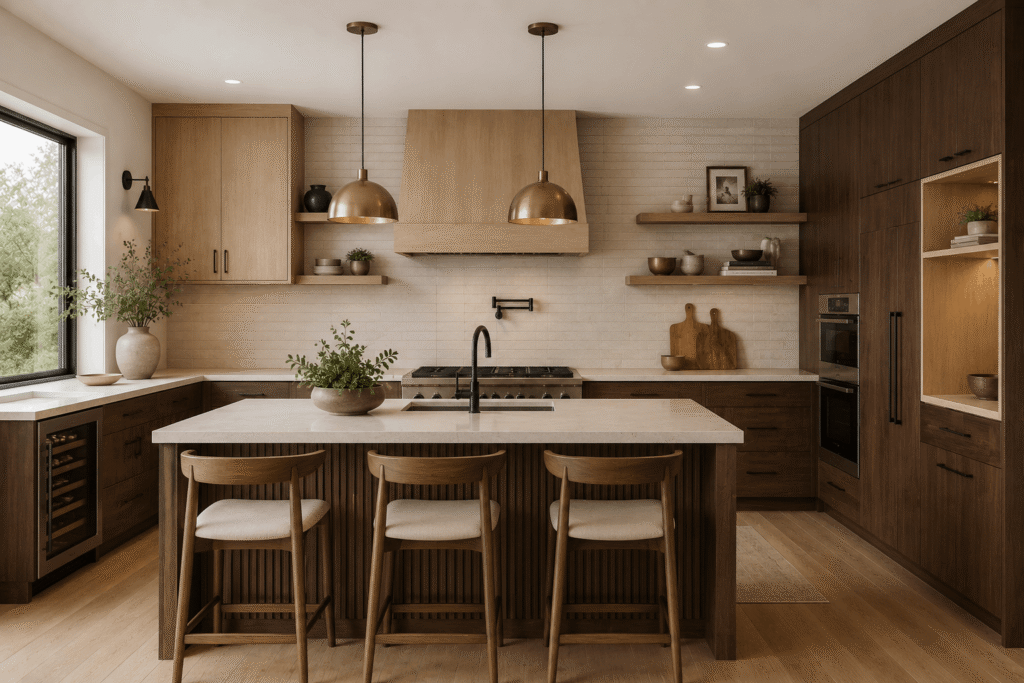
While the traditional work triangle can be useful as a planning concept, modern kitchens may also use multiple work zones depending on the size and number of people using the space.

Modern Kitchen Materials and Finishes

The appearance of a kitchen can change significantly depending on the materials and finishes selected.

Popular choices include:

  • Matte finishes
  • Glossy surfaces
  • Wood-inspired textures
  • Neutral tones
  • Contemporary laminates
  • Glass elements
  • Minimalist hardware

Countertops can also influence the overall appearance and functionality of the kitchen. Depending on the budget and requirements, homeowners may consider materials such as granite, quartz, and other suitable surfaces.

Materials should be selected not only for appearance but also for durability, cleaning, maintenance, and everyday cooking requirements.

Lighting for Different Kitchen Layouts

Good lighting improves both the functionality and appearance of a kitchen.

A combination of ambient, task, and accent lighting can be useful.

  • Ceiling lighting: Provides general illumination.
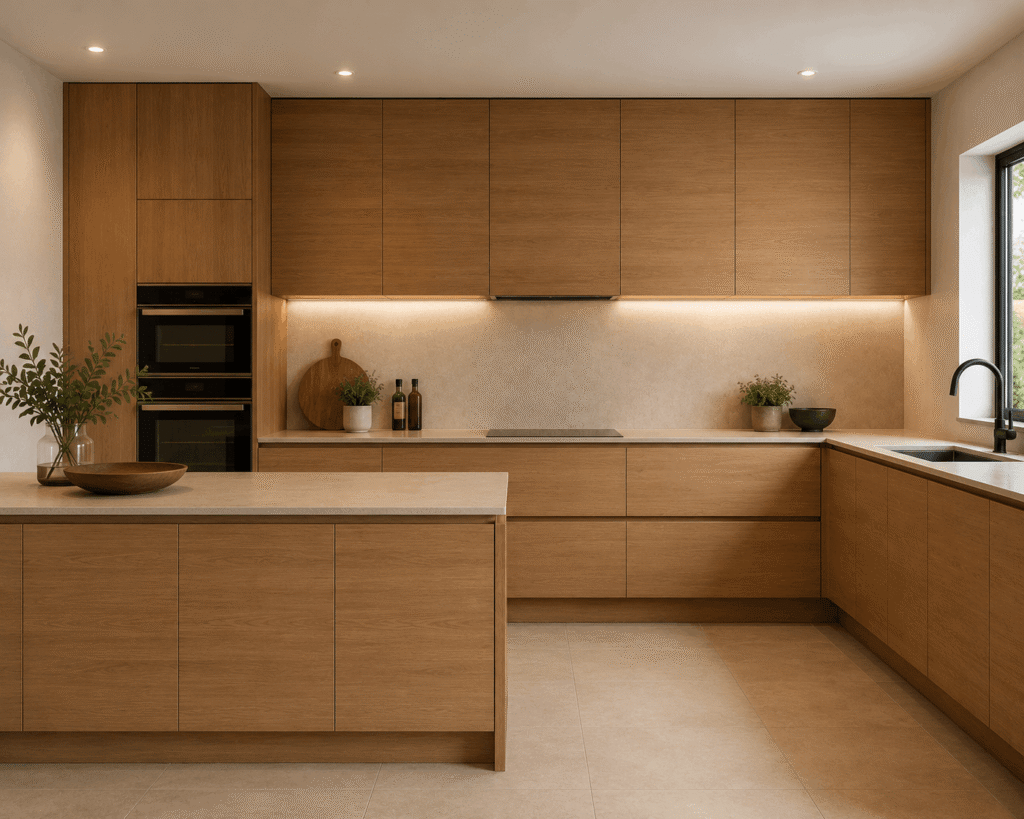
  • Under-cabinet lighting: Helps illuminate countertops and preparation areas.
  • Pendant lighting: Can enhance islands and breakfast counters.
  • Natural light: Can make the kitchen feel brighter and more spacious.

Windows and ventilation openings should be considered when planning cabinet placement.

Why Professional Kitchen Planning Matters

Selecting the right kitchen layout can be challenging without proper planning. A professional kitchen designer can evaluate room measurements, storage requirements, appliance placement, materials, and lifestyle preferences before recommending a suitable configuration.
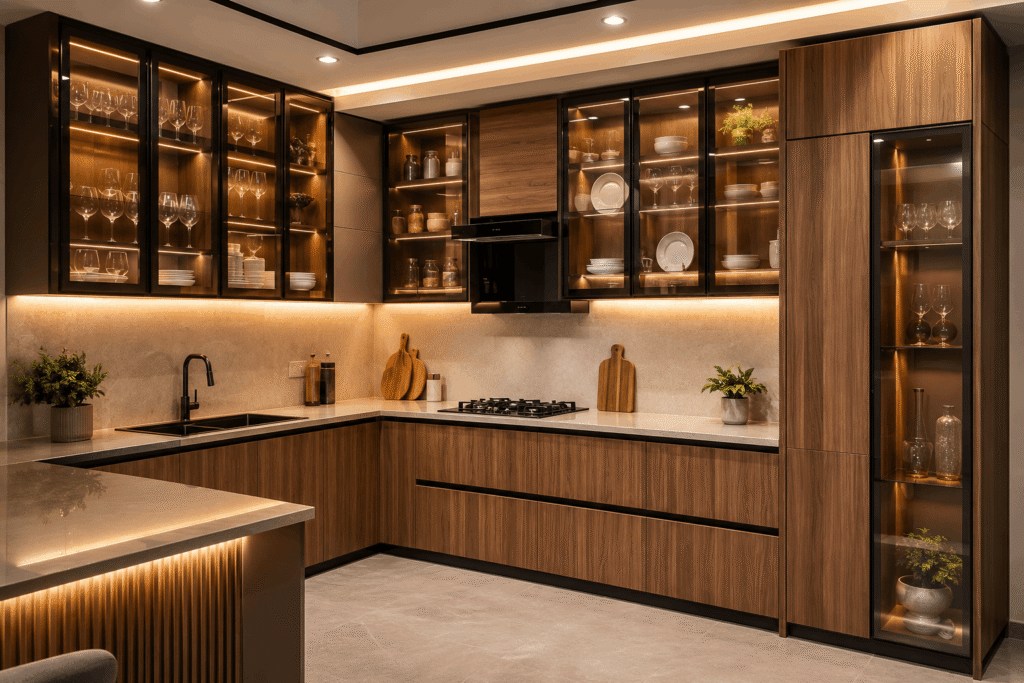
Professional planning can help homeowners avoid common problems such as:

  • Insufficient walking space
  • Poorly positioned appliances
  • Difficult-to-access corner cabinets
  • Inadequate countertop space
  • Inefficient storage
  • Poor workflow

A customized approach ensures that the selected kitchen layout works for the actual room rather than simply copying a design from another home.

For kitchen design inspiration and modern kitchen solutions, homeowners can explore Anupam Kitchen.
Frequently Asked Questions

Q1. What are the most common types of kitchen design?
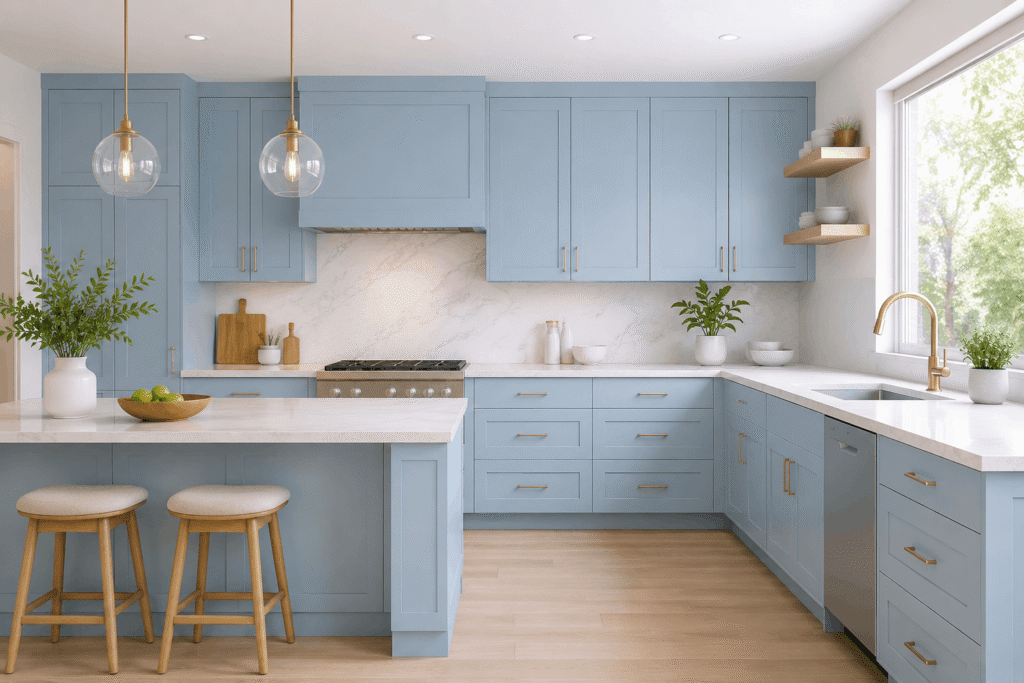
The most common kitchen layouts include straight, L-shaped, U-shaped, parallel or galley, island, and peninsula kitchens. The best option depends on room size, kitchen shape, storage requirements, cooking habits, and available space.

Q2. Which type of kitchen is best for a small home?

A straight or L-shaped kitchen can be a practical choice for a small home. A straight kitchen uses one wall, while an L-shaped kitchen uses two adjoining walls and can keep the central area relatively open.

Q3. How do I choose the right kitchen shape?

Start by considering the dimensions of the room, wall positions, doors, windows, plumbing, electrical points, ventilation, and available movement space. These factors can help determine which kitchen layout will work best.

Q4. What are the different types of kitchen layout?

Common kitchen layouts include straight, L-shaped, U-shaped, parallel, island, and peninsula layouts. Each provides different benefits depending on the size and structure of the room.

Q5. Is an island kitchen suitable for every home?

No. An island kitchen generally works best when there is enough space to maintain comfortable movement around the island. It can provide additional countertop space, storage, seating, and preparation space.

Q6. Which kitchen layout provides the most storage?

A U-shaped kitchen can provide substantial storage and countertop space because it uses three walls. However, room dimensions and cabinet planning should be considered to maintain comfortable movement.

Q7. What should I consider before selecting a kitchen layout?

Consider room dimensions, kitchen shape, storage requirements, cooking frequency, appliances, countertop space, seating preferences, workflow, and available walking space.

Q8. Where can I find modern kitchen design inspiration?

You can explore Anupam Kitchen for modern kitchen design inspiration, kitchen planning ideas, and potential kitchen solutions.

Final Thoughts

There are several types of kitchen design, and each layout offers different benefits.

Straight kitchens can be practical for compact spaces, L-shaped kitchens provide flexibility, U-shaped kitchens offer extensive workspace and storage, and parallel kitchens can make efficient use of narrow rooms. Island kitchens can add workspace and seating to larger open-plan spaces, while peninsula kitchens can offer similar benefits where a full island is not practical.

The ideal kitchen layout should be selected according to your room dimensions, kitchen shape, storage requirements, cooking habits, appliance needs, and lifestyle.

A successful kitchen should not only look beautiful but should also make cooking, cleaning, storage, and everyday movement easier.

If you are planning a new modular kitchen, start by understanding your space and then choose a layout that balances functionality, storage, comfort, and style.

What Colors Make a Kitchen Look Expensive? 8 Luxury Colors

A kitchen can look expensive without using the most expensive materials. The right kitchen colors, coordinated cabinets, countertops, backsplash, lighting and hardware can create a polished and high-end appearance. In 2026, warm neutrals, natural wood tones, muted greens, deep blues and carefully used dark accents are among the strongest choices for an upscale kitchen.

If you are choosing expensive-looking kitchen colors, focus on balance rather than following a single trend. A warm white kitchen with natural wood, a sage green kitchen with cream accents, or navy cabinets with a light countertop can all create a sophisticated look when the finishes work together.

What Colors Make a Kitchen Look Expensive?

The colors that can make a kitchen look expensive include warm white, cream, greige, natural wood, sage green, navy blue, charcoal and carefully used black. The most upscale kitchens usually combine one dominant neutral with natural-looking materials, subtle contrast, coordinated hardware and good lighting.

The key is not simply choosing a “luxury” colour. How the colour works with the countertop, backsplash, flooring, sink and lighting determines the overall appearance.

8 Colors That Make a Kitchen Look More Luxurious

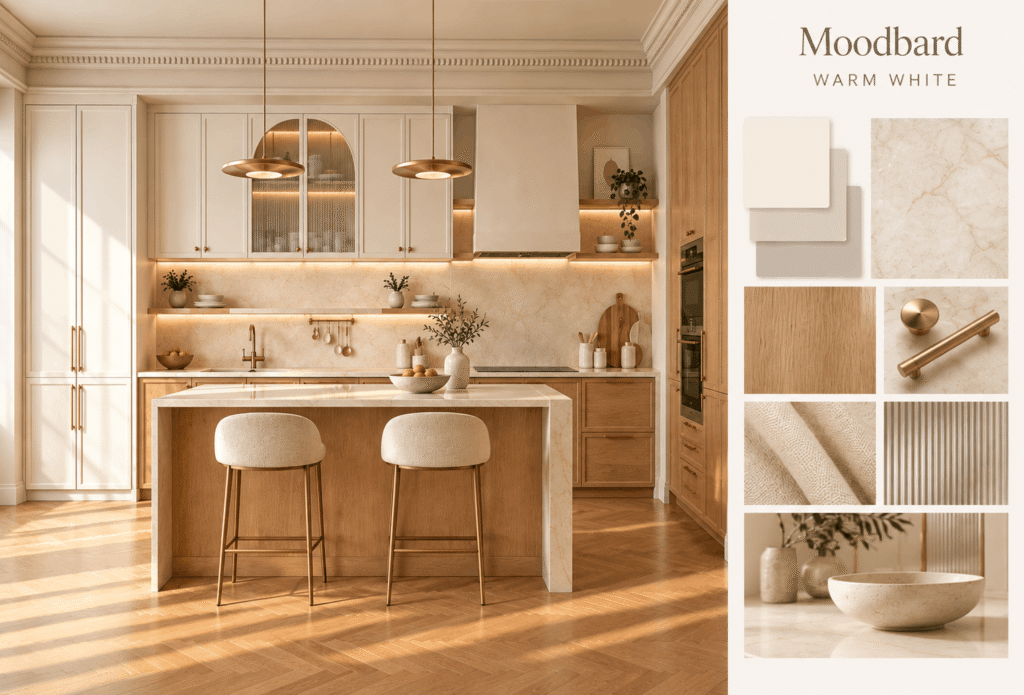
1. Warm White

Warm White Kitchen Design

Warm white is one of the most versatile luxury kitchen colors. Unlike a very stark white, it has subtle warm undertones that make the kitchen feel welcoming while maintaining a clean, premium appearance.

A warm white kitchen works particularly well with:

  • Natural wood cabinets or accents
  • Quartz or marble-look countertops
  • Stainless steel appliances
  • Brass or brushed gold hardware
  • Natural stone backsplashes

For small kitchens, warm white can also help the space feel brighter and more open.

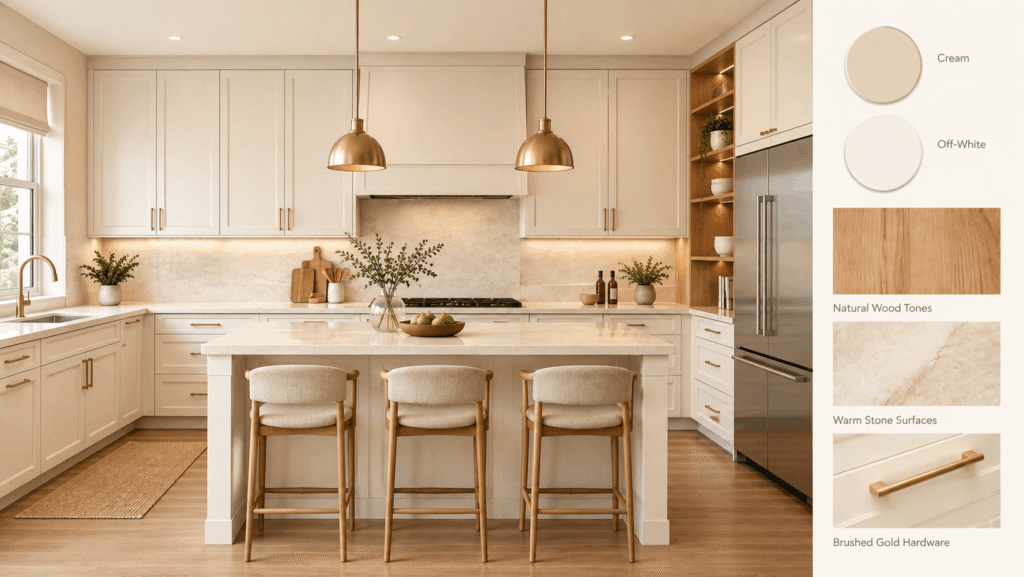
2. Cream and Off-White

Kitchen Design

Cream and off-white are excellent choices for an elegant kitchen because they create warmth without looking overly colourful. Creamy white cabinets can give traditional, transitional and contemporary kitchens a softer appearance than bright white.

Pair cream cabinets with natural wood tones, warm stone surfaces or brushed gold hardware for an understated high-end look.

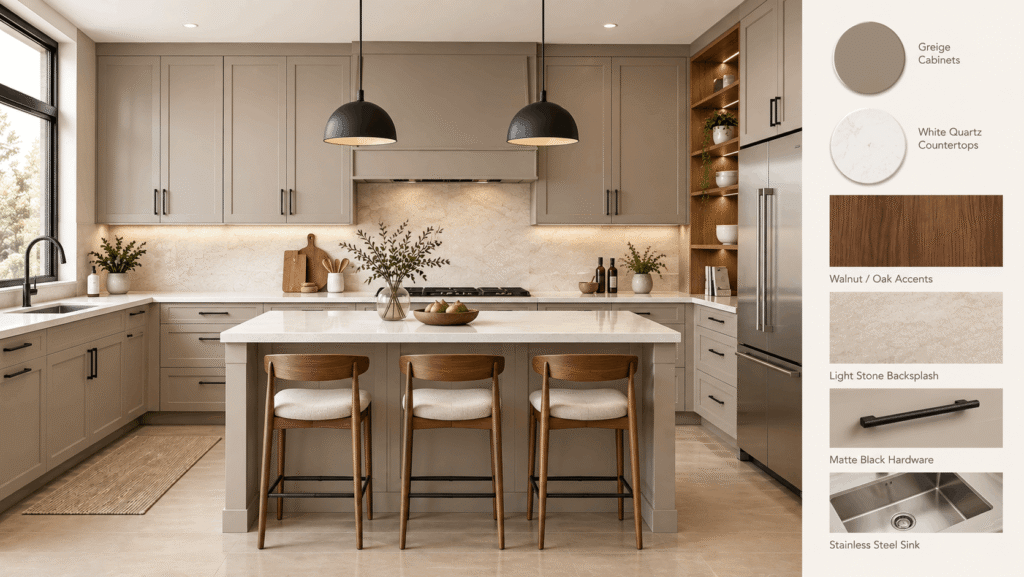
3. Greige

Greige combines the qualities of grey and beige, creating a versatile neutral that works particularly well in modern kitchens.

A greige kitchen can look sophisticated because it adds more depth than plain white while remaining easy to coordinate with other materials. It works well with:

  • White quartz countertops
  • Walnut or oak accents
  • Light stone backsplashes
  • Matte black hardware
  • Stainless steel kitchen sinks

Greige is also a strong option when you want a modern colour without choosing a dramatic dark shade.

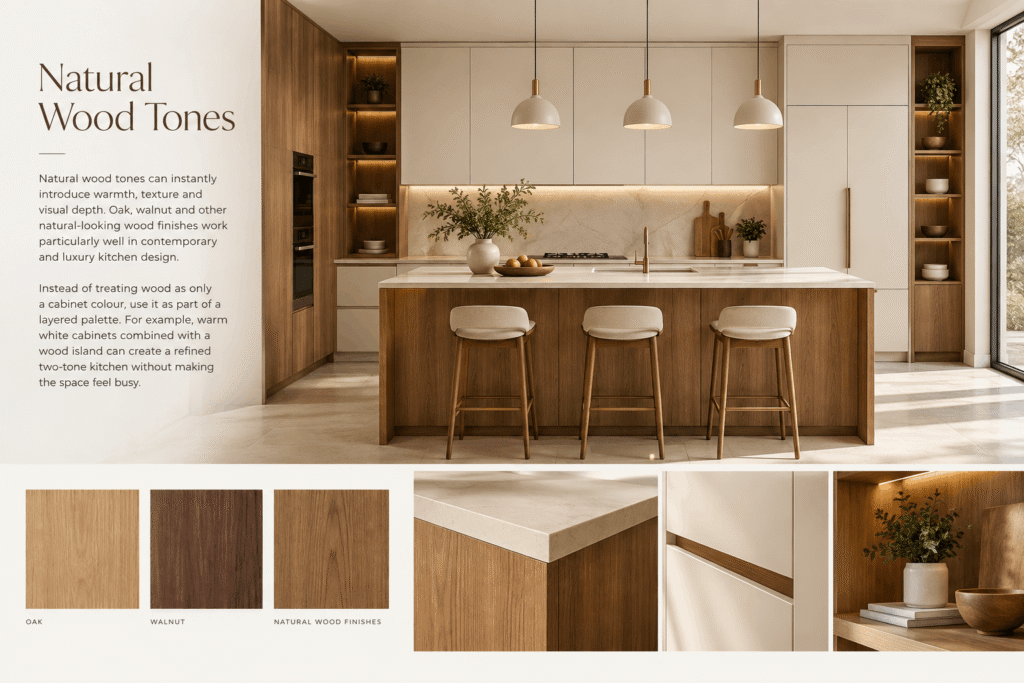
4. Natural Wood Tones

Natural wood tones can instantly introduce warmth, texture and visual depth. Oak, walnut and other natural-looking wood finishes work particularly well in contemporary and luxury kitchen design.

Instead of treating wood as only a cabinet colour, use it as part of a layered palette. For example, warm white cabinets combined with a wood island can create a refined two-tone kitchen without making the space feel busy.

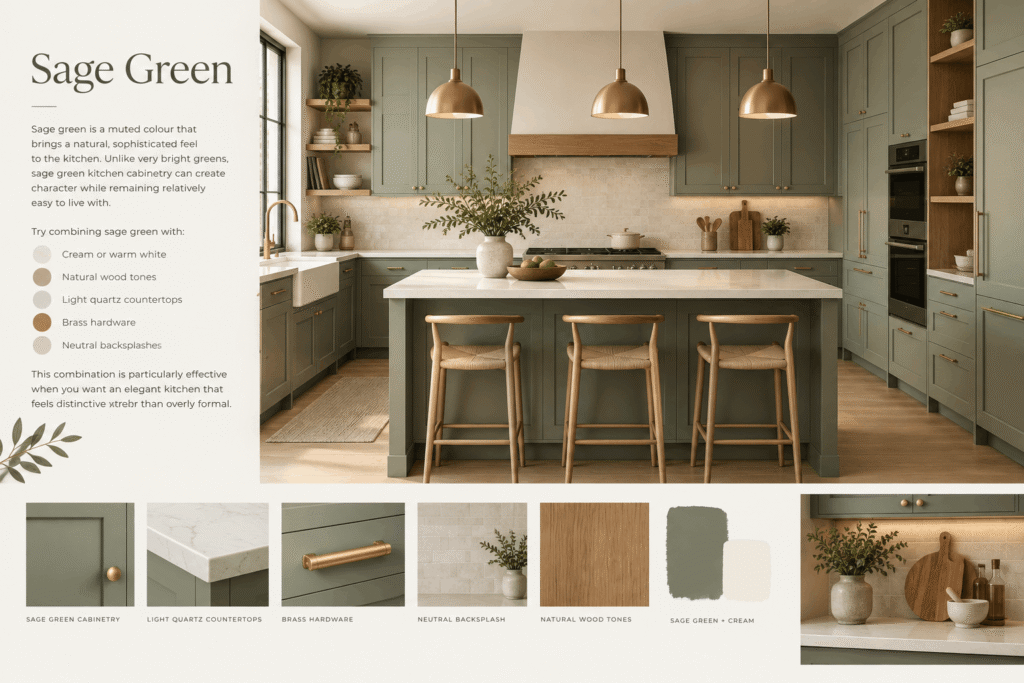
5. Sage Green

Sage Green Kitchen Kitchen Design

Sage green is a muted colour that brings a natural, sophisticated feel to the kitchen. Unlike very bright greens, sage green kitchen cabinetry can create character while remaining relatively easy to live with.

Try combining sage green with:

  • Cream or warm white
  • Natural wood tones
  • Light quartz countertops
  • Brass hardware
  • Neutral backsplashes

This combination is particularly effective when you want an elegant kitchen that feels distinctive rather than overly formal.

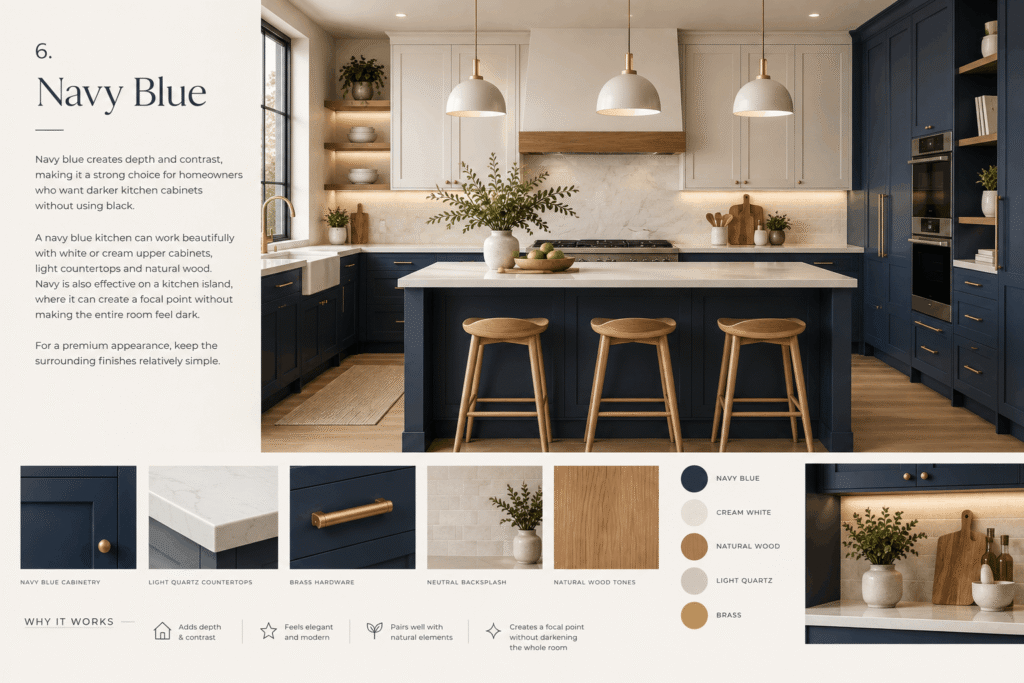
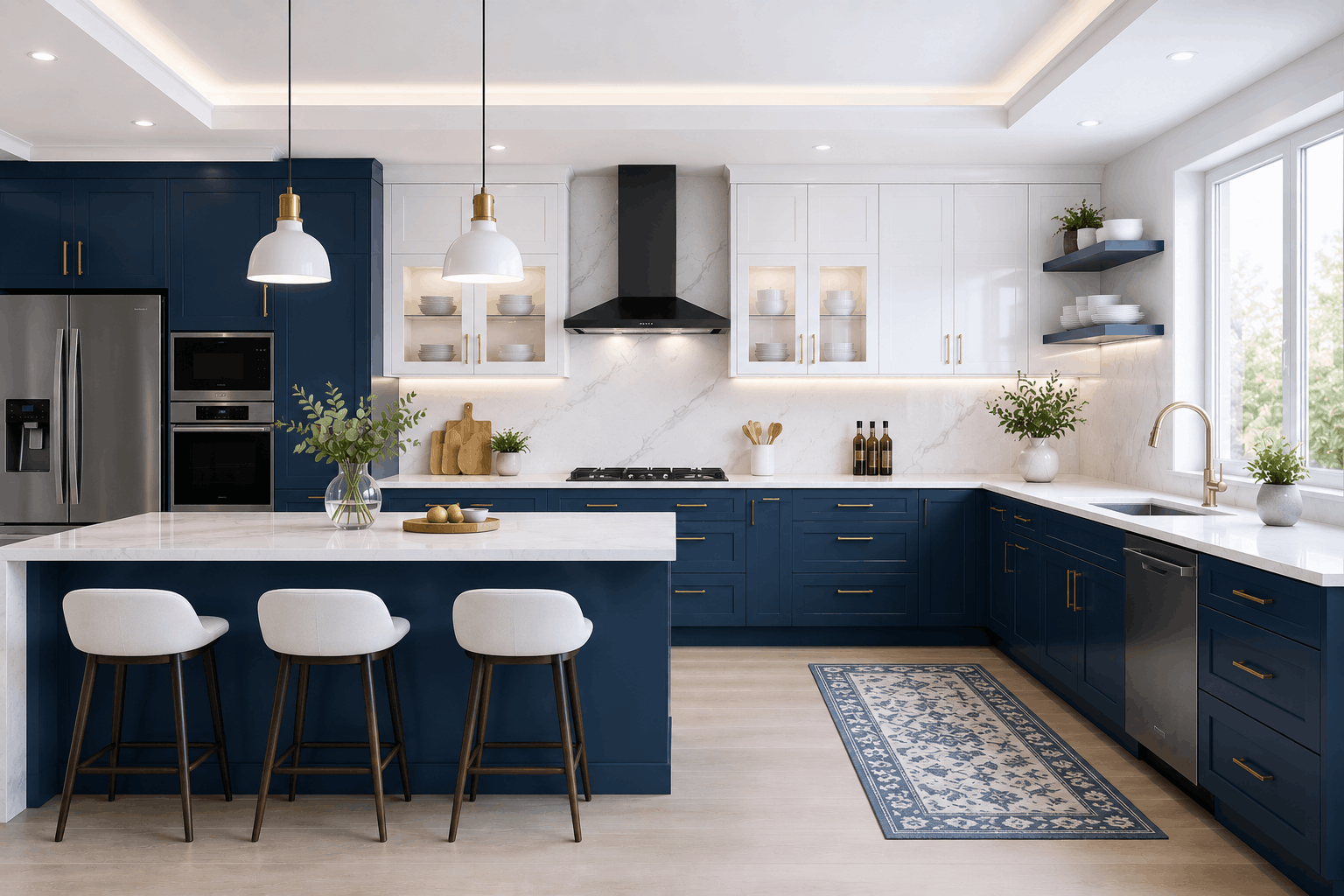
6. Navy Blue

Navy Blue Kitchen Kitchen Design

Navy blue creates depth and contrast, making it a strong choice for homeowners who want darker kitchen cabinets without using black.

A navy blue kitchen can work beautifully with white or cream upper cabinets, light countertops and natural wood. Navy is also effective on a kitchen island, where it can create a focal point without making the entire room feel dark.

For a premium appearance, keep the surrounding finishes relatively simple.

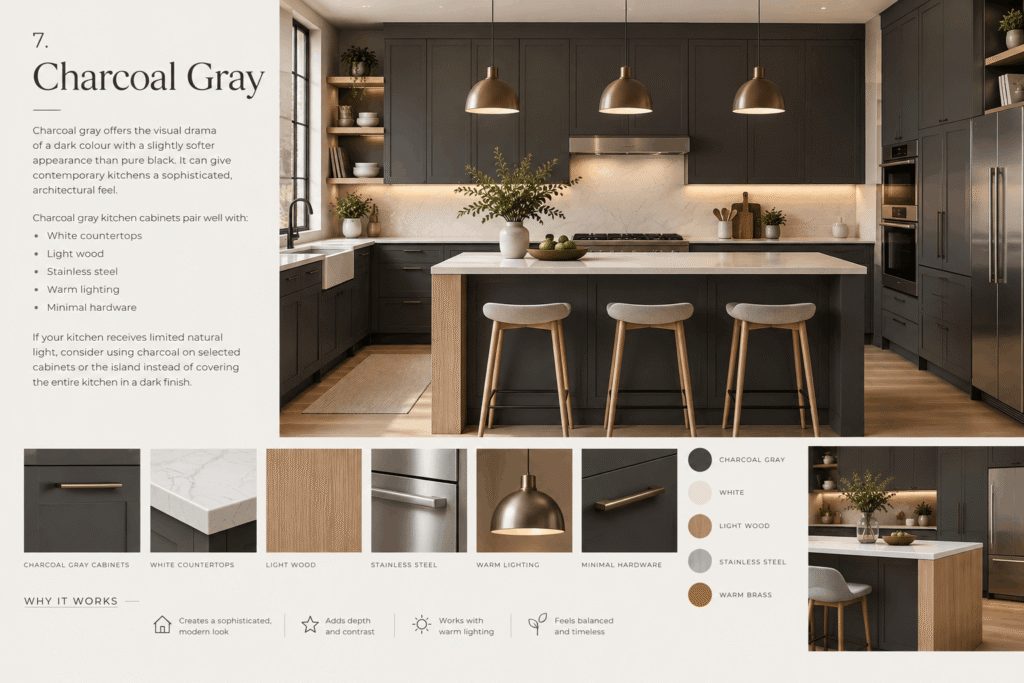
7. Charcoal Gray

Charcoal Gray Kitchen Design

Charcoal gray offers the visual drama of a dark colour with a slightly softer appearance than pure black. It can give contemporary kitchens a sophisticated, architectural feel.

Charcoal gray kitchen cabinets pair well with:

  • White countertops
  • Light wood
  • Stainless steel
  • Warm lighting
  • Minimal hardware

If your kitchen receives limited natural light, consider using charcoal on selected cabinets or the island instead of covering the entire kitchen in a dark finish.

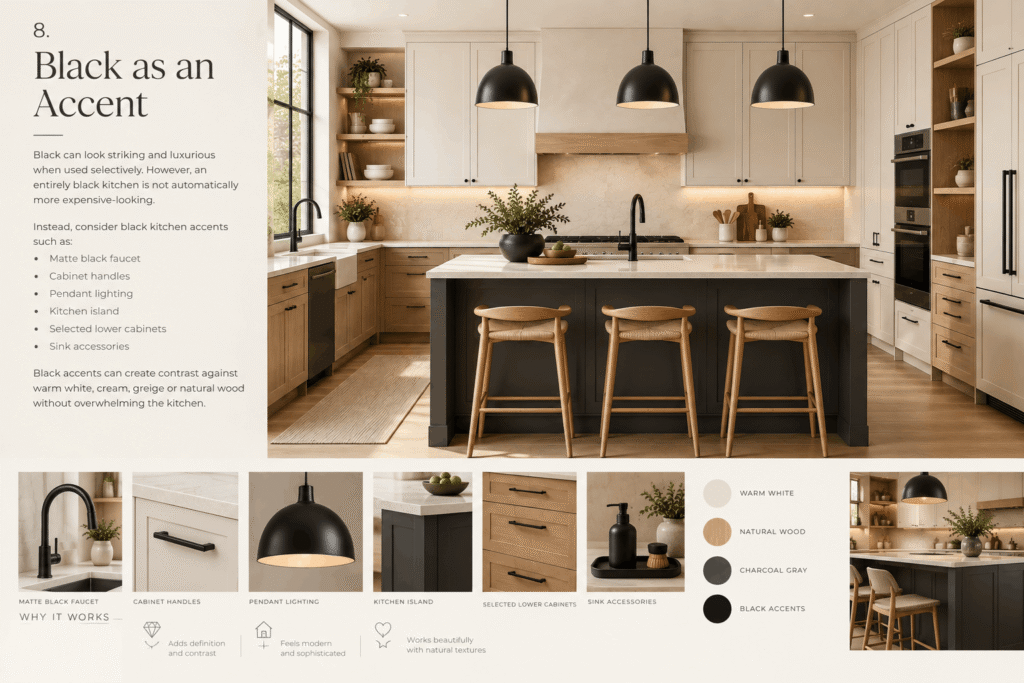
8. Black as an Accent

Black Accents in a Warm Kitchen Design

Black can look striking and luxurious when used selectively. However, an entirely black kitchen is not automatically more expensive-looking.

Instead, consider black kitchen accents such as:

  • Matte black faucet
  • Cabinet handles
  • Pendant lighting
  • Kitchen island
  • Selected lower cabinets
  • Sink accessories

Black accents can create contrast against warm white, cream, greige or natural wood without overwhelming the kitchen.

5 Luxury Kitchen Color Combinations That Work

The most successful kitchen color combinations usually contain a dominant colour, a complementary material and a controlled accent.

Color CombinationOverall LookBest Paired With
Warm white + natural woodTimeless and warmQuartz, stainless steel
Cream + sage greenElegant and naturalBrass hardware
Navy + whiteClassic and dramaticLight countertop
Greige + walnutSophisticated and premiumStone backsplash
Black + warm woodModern and boldBrushed metal

Why Do Two-Tone Kitchen Cabinets Look Expensive?

Two-tone kitchen cabinets create contrast and visual depth. Instead of using one colour throughout the kitchen, you can use a lighter shade for the main cabinetry and a darker or natural shade for the island or lower cabinets.

For example, warm white upper cabinets with natural wood lower cabinets can make a kitchen feel layered without introducing too many competing colours.

How to Choose the Right Kitchen Color

Choosing the right colour depends on more than personal preference. Consider these three factors before selecting your final palette.

1. Consider Kitchen Size

For smaller kitchens, light and warm shades can help create a more open appearance:

  • Warm white
  • Cream
  • Light greige
  • Light natural wood
  • Soft sage

Larger kitchens offer more flexibility for navy, charcoal, deep green, walnut and black accents.

2. Consider Natural Light

Natural light can significantly change how a colour appears. A shade that looks warm and inviting in a bright showroom may appear darker in a kitchen with limited sunlight.

Before committing to a colour, test a cabinet or paint sample in the actual kitchen during different times of the day.

3. Consider Existing Materials

Your cabinet colour should work with the materials already present in the room, including:

  • Countertop
  • Backsplash
  • Flooring
  • Appliances
  • Sink
  • Faucet
  • Cabinet hardware

A coordinated palette generally looks more sophisticated than a kitchen where every element competes for attention.

How to Match Kitchen Colors With Countertops, Backsplash and Hardware

Colour selection becomes easier when you think about the kitchen as one complete composition.

For example:

  • Warm white cabinets: Pair with quartz, marble-look surfaces or natural wood.
  • Greige cabinets: Pair with warm stone and walnut.
  • Navy cabinets: Pair with white or light quartz countertops.
  • Sage green cabinets: Pair with cream, white stone and natural wood.
  • Wood cabinets: Pair with light neutral countertops and understated hardware.

For hardware, brass and brushed gold can add warmth, while matte black provides stronger contrast. A stainless steel kitchen sink is particularly versatile because its neutral metallic finish can complement both light and dark cabinet colours.

At Anupam Sinks, stainless steel kitchen sinks can be incorporated into a wide range of modern kitchen colour palettes without competing with the cabinetry or countertop.

Which Kitchen Colors Are Timeless in 2026?

If your priority is a kitchen that remains attractive beyond current trends, start with warm white, cream, natural wood, greige and soft green.

These colours can adapt to changing hardware, appliances and decorative styles. Navy, charcoal and black are better used as statement colours when you want additional contrast.

The strongest modern approach is not necessarily to choose the trendiest colour. Instead, create a high-end kitchen color palette that combines timeless foundations with one or two contemporary accents.

Color and Design Mistakes That Can Make a Kitchen Look Less Expensive

No colour is inherently cheap-looking. The problem usually comes from how colours and finishes are combined.

Avoid:

  • Using too many competing colours
  • Mixing warm and cool undertones without a plan
  • Making every cabinet and surface a different finish
  • Using too much black in a small, poorly lit kitchen
  • Choosing extremely bright colours for the entire kitchen
  • Ignoring the countertop and backsplash when selecting cabinet colours
  • Using insufficient lighting
  • Creating visual clutter on countertops

A simple, coordinated palette can often look more sophisticated than an expensive kitchen filled with unrelated colours and finishes.

Frequently Asked Questions

Q1. What color makes a kitchen look the most expensive?

Warm white, cream, greige and natural wood are among the safest choices for an expensive-looking kitchen. Navy, sage green and charcoal can add sophisticated contrast.

Q2. What kitchen cabinet colors look expensive?

Warm white, creamy white, greige, natural wood, sage green, navy and charcoal can all create an upscale cabinet appearance when paired with suitable countertops and hardware.

Q3. What color combination makes a kitchen look luxurious?

Warm white with natural wood, cream with sage green, navy with white and greige with walnut are reliable luxury kitchen color combinations.

Q4. What colors make a small kitchen look expensive?

Warm white, cream, light greige and light natural wood can make a small kitchen feel brighter and more spacious while maintaining an elegant appearance.

Q5. Are white kitchens still considered luxurious?

Yes. Warm white and creamy white kitchens remain timeless because they work with natural wood, stone, metal and a wide range of hardware finishes.

Q6. Are dark kitchen cabinets a good choice?

Yes, particularly in kitchens with sufficient natural or artificial lighting. Navy, charcoal and deep green can create depth without being as harsh as pure black.

Warm neutrals, natural wood tones, muted greens, deep blues and earthy colours are strong choices for modern kitchen colour palettes in 2026.

Final Verdict

If you want the safest expensive-looking kitchen colors, start with warm white, cream, greige or natural wood. For more personality, introduce sage green, navy, charcoal or controlled black accents.

Ultimately, an expensive-looking kitchen is about balance. Coordinate the cabinets with your countertop, backsplash, sink, faucet, lighting and hardware, and even a relatively simple colour palette can create an elegant, high-end kitchen design.

Types of Kitchen Design
September 9, 2026

Types of Kitchen Design: A Complete Guide to Kitchen Shapes and Layouts

The kitchen is more than just a place to cook. In modern homes, it is an important part of daily life where families prepare meals, spend time together, entertain guests, and organize their routines. Choosing the right kitchen layout can make a significant difference to storage, movement, functionality, and overall appearance.

There are several types of kitchen design available today, including straight, L-shaped, U-shaped, parallel, island, and peninsula kitchens. The best option depends on your room size, kitchen shape, cooking habits, storage requirements, appliances, and lifestyle.

If you are planning a new kitchen or renovating an existing one, understanding the different kitchen layouts can help you make a more informed decision.

What Are the Different Types of Kitchen Design?

Kitchen design refers to the way cabinets, countertops, appliances, storage units, and work areas are arranged within the available space. A well-planned kitchen should balance aesthetics with functionality and provide enough room for cooking, cleaning, storage, and movement.

The six common kitchen layouts are:

  • Straight kitchen
  • L-shaped kitchen
  • U-shaped kitchen
  • Parallel or galley kitchen
  • Island kitchen
  • Peninsula kitchen

Each layout can be customized with different cabinet finishes, countertops, lighting, storage solutions, hardware, and appliances.

1. Straight Kitchen Design

Straight Kitchen Design

A straight kitchen also called a single-wall kitchen, places the cabinets, appliances, and countertop along one wall.

This is one of the most practical kitchen layouts for compact homes, apartments, and studio spaces. Because everything is arranged along a single wall, the remaining floor area can be used for movement, dining, or other furniture.

A straight kitchen can include:

  • Base cabinets
  • Overhead cabinets
  • Drawers
  • Tall storage units
  • Built-in appliances
  • Pantry storage

When planning this layout, the refrigerator, sink, and cooking area should be positioned logically to create a convenient workflow. Sufficient countertop space should also be provided for food preparation.

Best suited for: Small apartments, studio homes, and compact kitchens.

Advantages of a Straight Kitchen

  • Space-efficient
  • Simple to plan
  • Suitable for small rooms
  • Leaves more open floor space
  • Easy to maintain

Things to Consider

The main limitation is that countertop and storage space may be more limited compared with L-shaped or U-shaped kitchens.

2. L-Shaped Kitchen Design

L-Shaped Kitchen Design

An L-shaped kitchen uses two adjoining walls to create an L-shaped working area. It is one of the most versatile kitchen layouts for modern homes.

This design provides more countertop and storage space than a straight kitchen while keeping the center of the room relatively open. Depending on the available space, homeowners may also be able to include a dining table, breakfast counter, or kitchen island.

An L-shaped kitchen can naturally separate different work areas. For example, food preparation can be arranged on one section while cooking and cleaning take place along the other.

Best suited for: Small to medium-sized homes and open-plan spaces.

Advantages of an L-Shaped Kitchen

  • Flexible layout
  • Good use of two walls
  • More counter space than a straight kitchen
  • Keeps the central area relatively open
  • Can accommodate a small dining or breakfast area

Things to Consider

Corner cabinets need careful planning because poorly designed corners can make storage difficult to access.

3. U-Shaped Kitchen Design

U-Shaped Kitchen Design

A U-shaped kitchen uses three walls to create a continuous work area. It is particularly suitable for homeowners who need substantial countertop and storage space.

This layout can accommodate multiple cabinets, drawers, appliances, and preparation zones. It can be a practical option for larger families and people who cook frequently.

Because the kitchen surrounds the user on three sides, frequently used items can remain within easy reach. However, sufficient room is necessary to maintain comfortable movement.

Best suited for: Spacious kitchens, larger families, and homeowners who need extensive storage.

Advantages of a U-Shaped Kitchen

  • Plenty of countertop space
  • High storage capacity
  • Multiple work zones
  • Suitable for frequent cooking
  • Efficient use of three walls

Things to Consider

A U-shaped kitchen can feel crowded if the room is too narrow. Walking space, cabinet depth, corner storage, and appliance placement should therefore be planned carefully.

4. Parallel or Galley Kitchen

Parallel or Galley Kitchen

A parallel kitchen, also known as a galley kitchen, has two opposing runs of cabinets and countertops. It is commonly used in long or narrow rooms.

One side can be dedicated to the sink and food preparation, while the opposite side can accommodate cooking appliances, refrigeration, and additional storage.

This arrangement can make efficient use of a narrow room without requiring a large overall floor area.

Best suited for: Long, narrow, or rectangular kitchen spaces.

Advantages of a Parallel Kitchen

  • Efficient use of narrow spaces
  • Good amount of workspace
  • Clear separation of work zones
  • Suitable for compact and medium-sized kitchens

Things to Consider

The central walkway needs to remain comfortable. Door openings, windows, appliance doors, and movement between work areas should be considered before finalizing the design.

5. Island Kitchen Design

Island Kitchen Design

An island kitchen includes a separate work surface positioned in the center of the kitchen. It is one of the most popular choices for spacious and open-plan homes.

A kitchen island can serve several purposes. Depending on the design, it can provide:

  • Additional countertop space
  • Extra storage
  • Seating
  • Food preparation space
  • A cooking zone
  • A sink or hob

Apart from functionality, an island can become the visual centerpiece of a kitchen. It can also create a natural connection between the kitchen, dining, and living areas.

Best suited for: Large kitchens and open-plan homes.

Advantages of an Island Kitchen

  • Additional workspace
  • Extra storage
  • Can provide casual seating
  • Suitable for entertaining
  • Strong visual appeal
  • Works well in open-plan homes

Things to Consider

An island requires adequate clearance on all sides. Installing one in a small kitchen without sufficient walking space can make the room uncomfortable.

6. Peninsula Kitchen

Peninsula Kitchen Design

A peninsula kitchen is similar to an island kitchen, but the additional counter is connected to the main kitchen cabinetry.

It can provide some of the benefits of an island without requiring as much floor space. This makes it a useful option for medium-sized kitchens where a freestanding island may not leave enough room for comfortable movement.

A peninsula can provide:

  • Additional preparation space
  • Extra storage
  • Casual seating
  • A visual division between the kitchen and another living area

Best suited for: Medium-sized kitchens and open-plan spaces where a full island may not be practical.

Kitchen Shape vs Kitchen Layout: What’s the Difference?

Understanding the difference between kitchen shape and kitchen layout can make kitchen planning easier.

Kitchen shape refers to the physical characteristics and dimensions of the room, such as whether the space is narrow, square, rectangular, or open.

Kitchen layout refers to how cabinets, countertops, appliances, storage, and work areas are arranged within that space.

For example, a long rectangular room may be suitable for a parallel kitchen, while a compact room with two usable adjoining walls may work well with an L-shaped layout.

The physical characteristics of the room should therefore be considered before selecting a kitchen layout.

How to Measure Your Kitchen Before Choosing a Layout

Before selecting a kitchen design, measure the complete room and note:

  • Wall lengths
  • Door positions
  • Window locations
  • Ceiling height
  • Plumbing points
  • Electrical outlets
  • Gas connections
  • Ventilation points
  • Available walking space

These measurements can help prevent problems during the planning and installation stages.

Types of Kitchen Layout for Small Homes

Small kitchens require careful planning because every part of the available space matters.

A straight kitchen can be a practical choice because all major functions remain along one wall, leaving more open floor space.

A L-shaped kitchen can also work well in compact homes because it uses two adjoining walls while keeping the center relatively open.

To maximize storage in a small kitchen, consider:

  • Tall cabinets
  • Overhead cabinets
  • Pull-out drawers
  • Corner storage
  • Vertical storage
  • Integrated appliances
  • Multi-purpose cabinets

The best small kitchen layout is not necessarily the one with the most cabinets. It is the one that provides sufficient storage while maintaining comfortable movement and easy access.

Types of Kitchen Layout for Large Homes

Larger homes provide more flexibility when selecting a kitchen layout.

A U-shaped kitchen can provide extensive workspace and storage, while an island can create a multifunctional area for preparation, seating, and social interaction.

Large kitchens may also accommodate:

  • Pantry units
  • Tall appliance cabinets
  • Breakfast counters
  • Dedicated storage zones
  • Large kitchen islands

However, additional space does not automatically guarantee better functionality. The placement of work areas and appliances should still be planned carefully to reduce unnecessary movement.

Kitchen Layout Comparison

Kitchen LayoutBest ForSpace RequirementMain BenefitMain Consideration
StraightSmall homesSmallSpace-efficientLimited workspace
L-ShapedSmall to medium homesSmall/MediumFlexible and openCorner storage
U-ShapedLarge kitchensMedium/LargeHigh storage and workspaceRequires sufficient room
ParallelNarrow roomsSmall/MediumEfficient workflowCentral walkway
IslandLarge/open-plan homesLargeWorkspace and seatingNeeds clearance
PeninsulaMedium kitchensMediumIsland-like functionalityConnected to main cabinetry

How to Choose the Right Type of Kitchen

Choosing the right kitchen layout begins with understanding how you use the space.

Ask yourself:

  1. How much storage do you need?
  2. How frequently do you cook?
  3. How many people use the kitchen?
  4. Which appliances are essential?
  5. Do you need seating?
  6. How much countertop space do you require?
  7. Is the kitchen connected to the dining or living area?
  8. What is the existing kitchen shape?
  9. How much walking space is available?
  10. What kitchen style do you prefer?

For example, a straight kitchen may be sufficient for occasional cooking in a compact home. An L-shaped kitchen can provide additional workspace while keeping the center open. Families requiring more storage may prefer a U-shaped layout, while parallel kitchens can work well in narrow rooms.

Island kitchens are generally better suited to larger open spaces, while peninsula kitchens can provide some island functionality where space is more limited.

Storage and Functionality in Kitchen Design

Storage is an essential part of a functional kitchen. Even an attractive kitchen layout can become inconvenient if there is not enough space for cookware, groceries, appliances, and everyday items.

Depending on your requirements, modern kitchens can include:

  • Deep drawers
  • Tall pantry units
  • Corner storage
  • Pull-out baskets
  • Overhead cabinets
  • Appliance storage
  • Specialized organizers

Frequently used items should be kept in easily accessible locations, while less frequently used items can be stored in higher or deeper cabinets.

The Importance of the Kitchen Work Triangle

When planning different kitchen layouts, consider the relationship between the refrigerator, sink, and cooking area.

These are important activity points in a kitchen because people frequently move between food storage, preparation, and cooking.

A practical layout should minimize unnecessary movement. Countertop space around the sink and cooking zone should also be sufficient for everyday food preparation.

While the traditional work triangle can be useful as a planning concept, modern kitchens may also use multiple work zones depending on the size and number of people using the space.

Modern Kitchen Materials and Finishes

The appearance of a kitchen can change significantly depending on the materials and finishes selected.

Popular choices include:

  • Matte finishes
  • Glossy surfaces
  • Wood-inspired textures
  • Neutral tones
  • Contemporary laminates
  • Glass elements
  • Minimalist hardware

Countertops can also influence the overall appearance and functionality of the kitchen. Depending on the budget and requirements, homeowners may consider materials such as granite, quartz, and other suitable surfaces.

Materials should be selected not only for appearance but also for durability, cleaning, maintenance, and everyday cooking requirements.

Lighting for Different Kitchen Layouts

Good lighting improves both the functionality and appearance of a kitchen.

A combination of ambient, task, and accent lighting can be useful.

  • Ceiling lighting: Provides general illumination.
  • Under-cabinet lighting: Helps illuminate countertops and preparation areas.
  • Pendant lighting: Can enhance islands and breakfast counters.
  • Natural light: Can make the kitchen feel brighter and more spacious.

Windows and ventilation openings should be considered when planning cabinet placement.

Why Professional Kitchen Planning Matters

Selecting the right kitchen layout can be challenging without proper planning. A professional kitchen designer can evaluate room measurements, storage requirements, appliance placement, materials, and lifestyle preferences before recommending a suitable configuration.

Professional planning can help homeowners avoid common problems such as:

  • Insufficient walking space
  • Poorly positioned appliances
  • Difficult-to-access corner cabinets
  • Inadequate countertop space
  • Inefficient storage
  • Poor workflow

A customized approach ensures that the selected kitchen layout works for the actual room rather than simply copying a design from another home.

For kitchen design inspiration and modern kitchen solutions, homeowners can explore Anupam Kitchen.

Frequently Asked Questions

Q1. What are the most common types of kitchen design?

The most common kitchen layouts include straight, L-shaped, U-shaped, parallel or galley, island, and peninsula kitchens. The best option depends on room size, kitchen shape, storage requirements, cooking habits, and available space.

Q2. Which type of kitchen is best for a small home?

A straight or L-shaped kitchen can be a practical choice for a small home. A straight kitchen uses one wall, while an L-shaped kitchen uses two adjoining walls and can keep the central area relatively open.

Q3. How do I choose the right kitchen shape?

Start by considering the dimensions of the room, wall positions, doors, windows, plumbing, electrical points, ventilation, and available movement space. These factors can help determine which kitchen layout will work best.

Q4. What are the different types of kitchen layout?

Common kitchen layouts include straight, L-shaped, U-shaped, parallel, island, and peninsula layouts. Each provides different benefits depending on the size and structure of the room.

Q5. Is an island kitchen suitable for every home?

No. An island kitchen generally works best when there is enough space to maintain comfortable movement around the island. It can provide additional countertop space, storage, seating, and preparation space.

Q6. Which kitchen layout provides the most storage?

A U-shaped kitchen can provide substantial storage and countertop space because it uses three walls. However, room dimensions and cabinet planning should be considered to maintain comfortable movement.

Q7. What should I consider before selecting a kitchen layout?

Consider room dimensions, kitchen shape, storage requirements, cooking frequency, appliances, countertop space, seating preferences, workflow, and available walking space.

Q8. Where can I find modern kitchen design inspiration?

You can explore Anupam Kitchen for modern kitchen design inspiration, kitchen planning ideas, and potential kitchen solutions.

Final Thoughts

There are several types of kitchen design, and each layout offers different benefits.

Straight kitchens can be practical for compact spaces, L-shaped kitchens provide flexibility, U-shaped kitchens offer extensive workspace and storage, and parallel kitchens can make efficient use of narrow rooms. Island kitchens can add workspace and seating to larger open-plan spaces, while peninsula kitchens can offer similar benefits where a full island is not practical.

The ideal kitchen layout should be selected according to your room dimensions, kitchen shape, storage requirements, cooking habits, appliance needs, and lifestyle.

A successful kitchen should not only look beautiful but should also make cooking, cleaning, storage, and everyday movement easier.

If you are planning a new modular kitchen, start by understanding your space and then choose a layout that balances functionality, storage, comfort, and style.

Open Kitchen Designs Ideas for Your Kitchen Interiors
August 17, 2026

Open Kitchen Designs Ideas for Your Kitchen Interiors

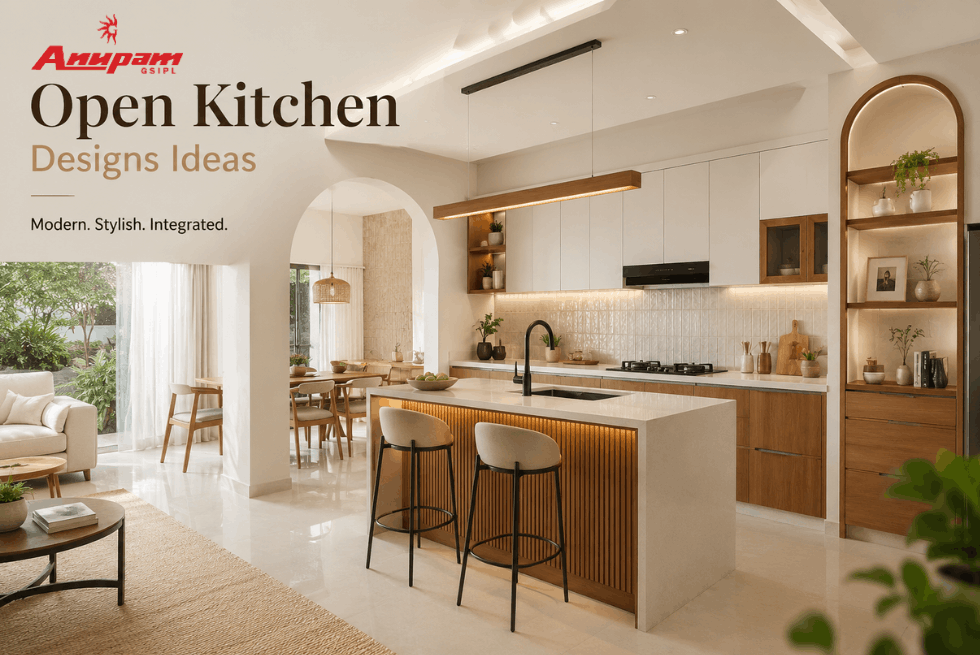
The kitchen is no longer just a space for cooking; it has become an integral part of modern home interiors. Homeowners today prefer layouts that create openness, improve functionality, and enhance the overall appearance of their homes. This growing trend has made open kitchen designs Ideas one of the most sought-after kitchen concepts in contemporary interior design.

An open kitchen seamlessly connects with the dining or living area, creating a spacious and welcoming atmosphere. Whether you have a compact apartment, a 2 BHK flat, or a luxury villa, the right open kitchen interior design can transform your home into a stylish and functional living space.

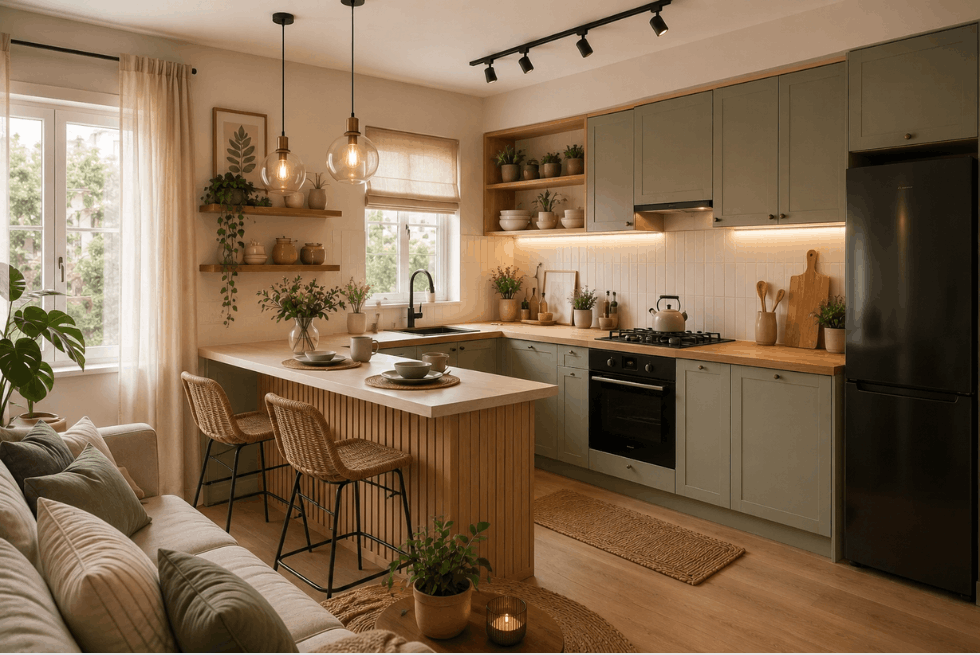
From simple kitchen design ideas to advanced small modular kitchen design solutions, open kitchens offer flexibility, convenience, and modern aesthetics. With smart planning, even a small kitchen design can appear larger and more organized.

With 36+ years of expertise, Anupam Kitchen specializes in designing customized modular kitchens that combine innovative layouts, premium materials, and intelligent storage solutions to create beautiful kitchen interiors.

Open Kitchen Designs Ideas – A Perfect Blend of Style and Functionality

An open kitchen design removes visual barriers and creates a seamless connection between different areas of the home. This layout allows homeowners to enjoy a spacious environment while maintaining an efficient cooking area.

Open kitchens are ideal for modern lifestyles because they promote communication and interaction between family members.

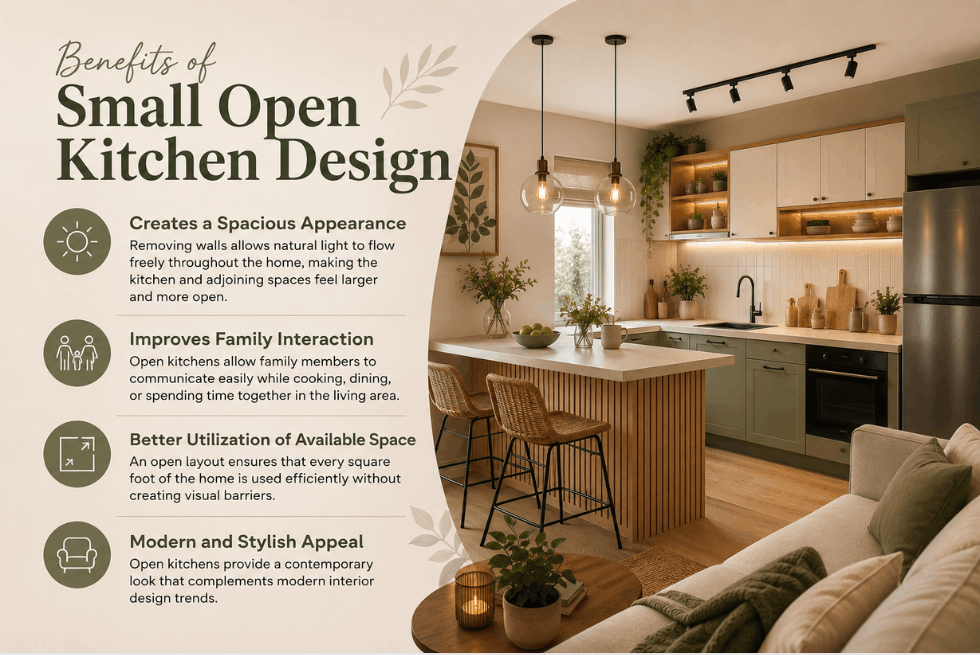
Benefits of Open Kitchen Design

Creates a Spacious and Airy Environment

Removing walls allows natural light to flow freely across the home, making both the kitchen and living spaces appear larger and brighter.

Encourages Family Interaction

An open layout allows homeowners to interact with family members and guests while preparing meals without feeling isolated.

Improves Natural Lighting

Natural light spreads throughout the home, reducing the need for artificial lighting during the daytime.

Enhances Home Value

Modern open kitchen layouts are highly desirable and can increase the overall appeal and value of a property.

Open Kitchen Interior Design – Modern Ideas for Stylish Homes

A well-planned open kitchen interior design combines aesthetics with practicality. The goal is to create a visually appealing space that remains organized and functional.

Modern open kitchen interiors focus on clean lines, smart storage, and seamless integration with surrounding spaces.

Key Elements of Open Kitchen Interior Design

Modern Cabinet Designs

Sleek cabinets with clean finishes create a contemporary appearance while maximizing storage.

Coordinated Colour Schemes

Using similar colours across the kitchen and living areas creates visual continuity and harmony.

Smart Storage Solutions

Hidden storage compartments, pull-out drawers, and tall cabinets help maintain a clutter-free environment.

Decorative Lighting

Pendant lights, LED strips, and under-cabinet lighting enhance both functionality and aesthetics.

Simple Kitchen Design – Elegant Solutions for Everyday Living

A simple kitchen design focuses on functionality, comfort, and efficient use of space without unnecessary complexity.

Simple kitchens are particularly suitable for families who prefer practical layouts and easy maintenance.

Features of Simple Kitchen Design

Minimalist Cabinet Layouts

Simple cabinet structures reduce clutter and create a clean appearance.

Neutral Colour Palettes

Colours such as white, beige, grey, and wood finishes create a timeless and elegant kitchen environment.

Efficient Work Zones

Proper placement of cooking, washing, and storage areas improves workflow and convenience.

Easy Maintenance

Simple designs are easier to clean and maintain over the long term.

Small Modular Kitchen Design – Smart Solutions for Compact Spaces

A small modular kitchen design is ideal for apartments, flats, and compact homes where space optimization is essential.

Modular kitchens use pre-designed cabinet units and smart storage systems to maximize every inch of available space.

Advantages of Small Modular Kitchen Design

Maximizes Storage Capacity

Modular cabinets provide dedicated spaces for utensils, groceries, and appliances while maintaining organization.

Improves Space Utilization

Every corner and wall area is utilized effectively to avoid wasted space.

Offers Customization Options

Homeowners can choose layouts, finishes, and accessories according to their specific needs.

Creates a Modern Appearance

Modular kitchens provide a stylish and contemporary look even in compact spaces.

Small Kitchen Design – Making Compact Kitchens Look Bigger

A thoughtful small kitchen design can significantly improve both functionality and visual appeal.

The key is to create an open and organized environment that maximizes available space.

Small Kitchen Design Ideas

Use Light Colours

Light shades reflect more light and make small kitchens appear larger and brighter.

Install Vertical Storage

Tall cabinets and wall-mounted shelves maximize storage without occupying additional floor space.

Choose Compact Appliances

Smaller appliances free up countertop space and improve kitchen organization.

Keep Countertops Clutter-Free

A clean countertop creates a more spacious and visually appealing environment.

Kitchen Cabinet Design – The Foundation of Every Kitchen

An effective kitchen cabinet design plays a crucial role in determining the functionality and aesthetics of a kitchen.

Modern cabinet systems are designed to improve storage, accessibility, and organization.

Handleless Cabinets

Handleless designs create a sleek and contemporary appearance while improving usability.

Wooden Finish Cabinets

Natural wood textures add warmth and timeless elegance to kitchen interiors.

Glossy Finish Cabinets

Glossy surfaces reflect light and make kitchens appear brighter and more spacious.

Tall Storage Cabinets

Tall units provide additional storage for groceries, appliances, and kitchen essentials.

A kitchen design gallery provides homeowners with ideas and inspiration for creating their dream kitchen.

Exploring different designs helps in understanding layouts, colour combinations, and storage solutions.

Contemporary Kitchens

Modern designs featuring minimalist aesthetics and clean lines.

Traditional Kitchens

Classic designs with warm colours and detailed craftsmanship.

Luxury Modular Kitchens

Premium finishes, designer lighting, and advanced storage systems.

Open Concept Kitchens

Layouts that integrate the kitchen with dining and living areas for a spacious appearance.

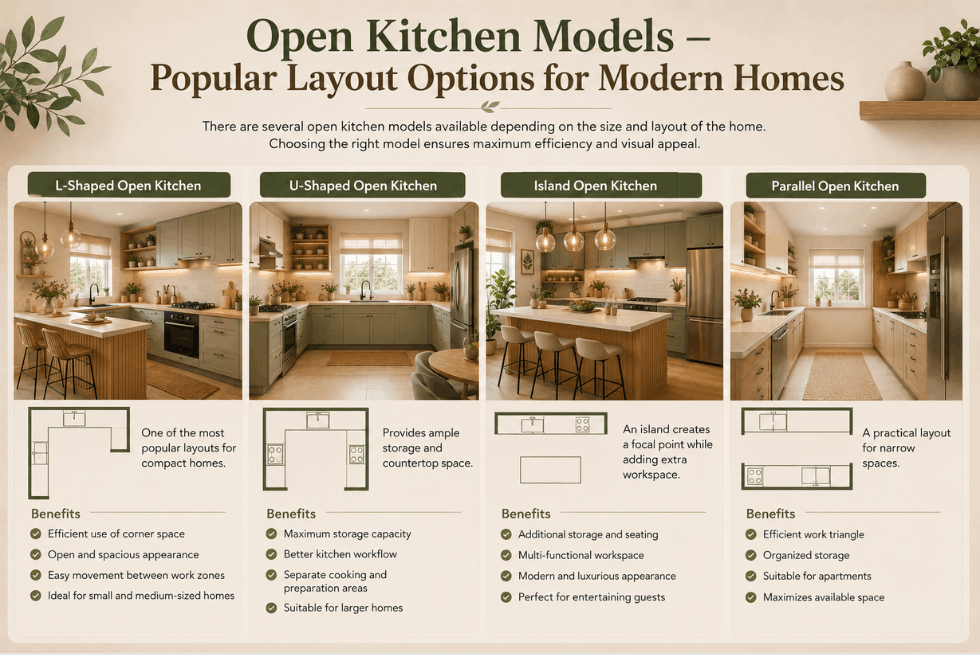
Best Open Kitchen Layouts for Modern Homes

Choosing the right layout is essential for maximizing functionality.

L-Shaped Open Kitchen

Benefits

  • Efficient use of corner space.
  • Suitable for small and medium-sized homes.
  • Creates an open and spacious feel.
  • Allows easy movement between work zones.

U-Shaped Open Kitchen

Benefits

  • Provides maximum storage capacity.
  • Offers extensive countertop space.
  • Ideal for larger homes.
  • Creates dedicated cooking and preparation areas.

Island Kitchen Design

Benefits

  • Adds extra workspace and seating.
  • Creates a focal point within the kitchen.
  • Enhances storage options.
  • Suitable for modern open-plan homes.

Parallel Kitchen Design

Benefits

  • Efficient workflow.
  • Ideal for narrow spaces.
  • Provides ample storage.
  • Keeps cooking and cleaning zones organized.

Kitchen design trends continue to evolve to meet changing lifestyles.

Two-Tone Cabinet Designs

Combining contrasting colours creates visual interest and modern appeal.

Natural Wood Finishes

Wood textures continue to dominate due to their timeless beauty and warmth.

Smart Kitchen Technology

Integrated appliances and automated systems improve convenience and efficiency.

Sustainable Materials

Eco-friendly materials are becoming increasingly popular among homeowners.

Common Mistakes to Avoid in Open Kitchen Design

Ignoring Storage Requirements

Insufficient storage can lead to clutter and reduce kitchen efficiency.

Poor Ventilation Planning

Proper ventilation is essential for maintaining comfort and air quality.

Overcrowding the Space

Too much furniture or oversized elements can make the kitchen feel cramped.

Inadequate Lighting

Proper lighting is necessary for both cooking and creating an inviting atmosphere.

Why Choose Anupam Kitchen?

Designing the perfect kitchen requires expertise, creativity, and attention to detail.

With 36+ years of expertise, Anupam Kitchen has established itself as a trusted name in modular kitchen manufacturing.

Reasons to Choose Anupam Kitchen

36+ Years of Expertise

Decades of experience ensure innovative designs and superior craftsmanship.

Customized Kitchen Solutions

Every kitchen is tailored according to available space and lifestyle requirements.

Premium Materials and Finishes

High-quality materials ensure durability and long-lasting beauty.

Smart Storage Solutions

Modern storage systems maximize efficiency while maintaining aesthetics.

Professional Installation Services

Experienced professionals ensure flawless execution and customer satisfaction.

Modern open kitchen design concepts offer the perfect combination of style, functionality, and efficient space utilization. Whether you prefer a simple kitchen design, a small modular kitchen design, or a contemporary open kitchen interior design, the right layout can transform your kitchen into a beautiful and practical space.

By incorporating smart storage, efficient layouts, and modern aesthetics, homeowners can create kitchens that enhance both everyday living and property value.

With 36+ years of expertise, Anupam Kitchen continues to deliver customized modular kitchen solutions that blend innovation, elegance, and functionality

Frequently Asked Questions

Q1. What is an open kitchen design?

An open kitchen design connects the kitchen with adjacent living or dining spaces without full walls, creating a spacious layout.

Q2. Is an open kitchen suitable for small homes?

Yes, open kitchens make compact homes appear larger and improve space utilization.

Q3. What is the best layout for a small modular kitchen?

L-shaped and parallel layouts are among the most effective options for small modular kitchens.

Q4. How can I make my small kitchen look bigger?

Using light colours, vertical storage, and clutter-free countertops can make a small kitchen appear larger.

Q5. What are the latest kitchen cabinet design trends?

Handleless cabinets, wooden finishes, glossy surfaces, and tall storage units are currently trending.

Q6. Why choose Anupam Kitchen for kitchen interior design?

Anupam Kitchen offers customized modular kitchen solutions backed by 36+ years of expertise, premium materials, and professional installation services.

Best Small Open Plan Kitchens Ideas
July 10, 2026

Best Small Open Plan Kitchens Ideas – Modern Open Kitchen Designs for Stylish Homes

The kitchen has evolved from being a separate cooking area into a central part of modern home interiors. Today, homeowners prefer layouts that create a seamless connection between the kitchen, dining, and living spaces. This growing trend has made open kitchen design one of the most popular choices for modern homes.

Whether you live in a compact apartment, a 2 BHK flat, or a contemporary villa, a well-planned small open kitchen design can make your home look more spacious, brighter, and more inviting. Open kitchens improve functionality while encouraging better interaction among family members.

The beauty of an open kitchen lies in its ability to maximize available space without compromising on style. With smart layouts, efficient storage solutions, and modern aesthetics, even small kitchens can become highly functional and visually appealing.

With 36+ years of expertise, Anupam Kitchen specializes in creating customized modular kitchens that combine innovative design, premium materials, and intelligent storage solutions for modern homes.

Small Open Kitchen Design – Maximizing Space with Smart Planning

A small open kitchen design is ideal for apartments and compact homes where space is limited. By eliminating unnecessary walls and barriers, the kitchen becomes visually connected to surrounding areas, creating a more open environment.

The key to a successful small open kitchen is proper planning. Every element, from cabinets and countertops to appliances and lighting, should be positioned strategically to optimize functionality.

Benefits of Small Open Kitchen Design

Creates a Spacious Appearance

Removing walls allows natural light to flow freely throughout the home, making the kitchen and adjoining spaces feel larger and more open.

Improves Family Interaction

Open kitchens allow family members to communicate easily while cooking, dining, or spending time together in the living area.

Better Utilization of Available Space

An open layout ensures that every square foot of the home is used efficiently without creating visual barriers.

Modern and Stylish Appeal

Open kitchens provide a contemporary look that complements modern interior design trends.

Open Kitchen Design – The Perfect Blend of Style and Functionality

An effective open kitchen design combines aesthetics with practicality. It creates a seamless flow between different areas of the home while maintaining an organized and efficient workspace.

Modern homeowners prefer open kitchens because they encourage social interaction and create a more welcoming atmosphere.

Features of a Modern Open Kitchen Design

Seamless Layout Integration

The kitchen blends naturally with the dining and living areas, creating a cohesive interior design.

Efficient Workflow

Proper placement of appliances, sinks, and cooking zones ensures smooth movement while preparing meals.

Smart Storage Solutions

Modern open kitchens incorporate hidden storage systems to maintain a clutter-free appearance.

Enhanced Natural Lighting

Without walls blocking sunlight, open kitchens benefit from brighter and more inviting interiors.

Open Kitchen – Why It Is the Preferred Choice for Modern Homes

Open Kitchen – Why It Is the Preferred Choice for Modern Homes

An open kitchen has become one of the most sought-after features in modern residential design. It creates a sense of openness and makes the entire home feel larger.

Open kitchens are particularly beneficial for homeowners who enjoy entertaining guests or spending time with family while cooking.

Advantages of Open Kitchens

Encourages Social Interaction

Family members and guests can interact freely while meals are being prepared.

Improves Visibility

Parents can easily monitor children while working in the kitchen.

Enhances Home Value

Modern open kitchens are highly desirable and can increase property appeal and resale value.

Flexible Interior Design

Open layouts allow homeowners to experiment with different furniture arrangements and design concepts.

There are several open kitchen models available depending on the size and layout of the home.

Choosing the right model ensures maximum efficiency and visual appeal.

L-Shaped Open Kitchen

One of the most popular layouts for compact homes.

Benefits

  • Efficient use of corner space
  • Open and spacious appearance
  • Easy movement between work zones
  • Ideal for small and medium-sized homes

U-Shaped Open Kitchen

Provides ample storage and countertop space.

Benefits

  • Maximum storage capacity
  • Better kitchen workflow
  • Separate cooking and preparation areas
  • Suitable for larger homes

Island Open Kitchen

An island creates a focal point while adding extra workspace.

Benefits

  • Additional storage and seating
  • Multi-functional workspace
  • Modern and luxurious appearance
  • Perfect for entertaining guests

Parallel Open Kitchen

A practical layout for narrow spaces.

Benefits

  • Efficient work triangle
  • Organized storage
  • Suitable for apartments
  • Maximizes available space

Modern Open Kitchen Design – Contemporary Ideas for Stylish Interiors

A modern open kitchen design focuses on simplicity, functionality, and aesthetics. It incorporates clean lines, minimalist cabinetry, and innovative storage solutions.

Handleless Cabinets

Handleless cabinets create a sleek and streamlined appearance while enhancing the overall design.

Integrated Appliances

Built-in appliances maintain a clean and uncluttered kitchen environment.

Neutral Colour Schemes

Colours such as white, grey, beige, and wood finishes create timeless and elegant interiors.

Smart Lighting

Pendant lights, under-cabinet lighting, and LED strips improve both functionality and aesthetics.

Best Small Open Plan Kitchen Ideas for Compact Homes

Homeowners with limited space can still enjoy a beautiful and efficient open kitchen by following smart design principles.

Use Light Colours

Light shades reflect more light and create the illusion of a larger space.

Recommended Colours

  • White
  • Cream
  • Beige
  • Light Grey
  • Soft Blue

Install Multi-Functional Furniture

Furniture that serves multiple purposes helps maximize available space.

Examples

  • Breakfast counters
  • Foldable dining tables
  • Kitchen islands with storage
  • Pull-out workstations

Maximize Vertical Storage

Using wall space efficiently helps keep countertops free from clutter.

Storage Ideas

  • Tall cabinets
  • Open shelves
  • Hanging racks
  • Wall-mounted organizers

Create Visual Continuity

Using similar colours and materials throughout the kitchen and living areas creates a cohesive look.

Open Kitchen Design Ideas for Apartments

Apartments often have limited space, making open kitchens an ideal solution.

Small Apartment Open Kitchen Ideas

Compact Island Design

A small island can provide additional storage and seating without overwhelming the space.

Glass Partitions

Glass partitions maintain openness while subtly separating areas.

Minimalist Cabinetry

Simple cabinets reduce visual clutter and create a clean appearance.

Built-In Appliances

Integrated appliances maximize available space and improve functionality.

Modern kitchens continue to evolve with changing lifestyles and design preferences.

Two-Tone Cabinets

Combining contrasting colours adds visual interest and depth.

Natural Wood Finishes

Wood textures create warmth and timeless elegance.

Smart Kitchen Technology

Voice-controlled appliances and smart lighting systems enhance convenience.

Sustainable Materials

Eco-friendly materials are becoming increasingly popular among homeowners.

Common Mistakes to Avoid in Open Kitchen Design

Ignoring Storage Requirements

Insufficient storage can lead to clutter and reduce kitchen functionality.

Poor Ventilation

Proper ventilation is essential for removing cooking odors and maintaining air quality.

Overcrowding the Space

Too much furniture can make the kitchen feel cramped and uncomfortable.

Lack of Lighting

Adequate lighting is necessary for both functionality and aesthetics.

Why Choose Anupam Kitchen?

Designing a modern open kitchen requires expertise, creativity, and attention to detail.

With 36+ years of expertise, Anupam Kitchen has helped homeowners create beautiful and functional kitchen interiors tailored to their needs.

Reasons to Choose Anupam Kitchen

36+ Years of Expertise

Decades of experience ensure exceptional craftsmanship and innovative design solutions.

Customized Open Kitchen Designs

Every kitchen is designed according to available space, lifestyle, and personal preferences.

Premium Materials and Finishes

High-quality materials ensure durability and long-lasting beauty.

Smart Storage Solutions

Modern storage systems maximize functionality while maintaining a clean appearance.

Professional Installation Services

Experienced professionals ensure flawless execution and customer satisfaction.

Conclusion

The popularity of small open kitchen design continues to grow because it combines style, functionality, and efficient space utilization. Whether you choose an L-shaped layout, an island kitchen, or a modern minimalist design, an open kitchen can transform the way your home looks and functions.

From stylish open kitchen models to innovative modern open kitchen design concepts, there are countless ways to create a kitchen that reflects your lifestyle and enhances your home.

With 36+ years of expertise, Anupam Kitchen continues to deliver customized modular kitchen solutions that blend innovation, aesthetics, and practicality.

Frequently Asked Questions

Q1. What is an open kitchen design?

An open kitchen design connects the kitchen with living or dining areas without full walls, creating a spacious and modern layout.

Q2. Is a small open kitchen suitable for apartments?

Yes, small open kitchen designs are ideal for apartments because they maximize space and improve functionality.

Q3. Which open kitchen model is best for small homes?

L-shaped and parallel open kitchens are among the best options for compact homes.

Q4. What are the advantages of modern open kitchen design?

Modern open kitchens improve interaction, increase natural light, maximize space, and create a stylish appearance.

Q5. How can I make my small open kitchen look bigger?

Using light colours, smart storage solutions, and minimalistic designs can make a small open kitchen appear larger.

Q6. Why choose Anupam Kitchen for open kitchen design?

Anupam Kitchen offers customized kitchen solutions backed by 36+ years of expertise, premium materials, and professional installation services.

Modular Kitchen Colour Combination Ideas – Best Colour Choices for Modern Homes
July 6, 2026

Modular Kitchen Colour Combination Ideas – Best Colour Choices for Modern Homes

The colour combination of a kitchen plays a major role in defining its overall appearance, functionality, and atmosphere. A well-planned modular kitchen colour combination can transform an ordinary kitchen into a stylish and inviting space that reflects your personality and lifestyle. Whether you prefer modern minimalism, classic elegance, or contemporary luxury, selecting the right colours is one of the most important decisions when designing a kitchen.

Modern homeowners are no longer limited to traditional colour schemes. Today, there are countless modular kitchen colour combination ideas that blend aesthetics with practicality. From timeless white and wood finishes to bold blue and grey combinations, the right colours can enhance space perception, improve lighting, and create a pleasant cooking environment.

A carefully selected kitchen colour design not only makes the kitchen visually appealing but also influences mood, energy, and comfort. Colours can make a compact kitchen appear larger, create a warm atmosphere, and complement the overall interior design of the home.

With 36+ years of expertise, Anupam Kitchen has helped thousands of homeowners create customized modular kitchens that combine beautiful colour combinations, premium materials, and smart storage solutions.

Kitchen Colour Design – Creating a Stylish and Functional Kitchen

A well-planned kitchen colour design goes beyond aesthetics. The right colours can improve functionality, create visual balance, and make the kitchen a more enjoyable place to cook and spend time.

Colours influence how a space feels and how people interact with it. A bright and airy kitchen creates a positive environment, while darker tones can add sophistication and luxury.

Why Kitchen Colours Matter

Enhances Visual Appeal

The right colour combination immediately improves the appearance of a kitchen. Coordinated colours create harmony and make the space look more elegant, modern, and professionally designed.

Influences Mood and Energy

Colours have a psychological impact on our emotions. Warm colours create an energetic atmosphere, while cool shades promote calmness and relaxation, making the kitchen more pleasant.

Improves Space Perception

Lighter colours reflect more light and create the illusion of a larger kitchen. This is especially beneficial for apartments and compact homes.

Reflects Personal Style

Every homeowner has unique preferences. Choosing the right colour combination allows individuals to create a kitchen that reflects their taste and lifestyle.

Modular Kitchen Colour Combination – Popular Choices for Modern Homes

A modern modular kitchen colour combination should balance style, practicality, and long-term appeal. The best combinations are those that remain attractive even as design trends change.

White and Wood Finish

One of the most popular modular kitchen colour combinations is white paired with natural wood finishes.

Benefits

  • Creates a bright and spacious kitchen appearance.
  • Adds warmth through natural wood textures.
  • Suitable for modern and traditional homes.
  • Easy to coordinate with different interior styles.

This combination remains timeless and elegant regardless of changing trends.

Grey and White

Grey and White

Grey and white kitchens offer a sophisticated and contemporary appearance.

Benefits

  • Creates a clean and minimalist design.
  • Works well in urban apartments and modern homes.
  • Easy to maintain and visually balanced.
  • Provides a premium and luxurious feel.

Blue and White

Blue and White

Blue and white kitchens continue to be a favourite among homeowners seeking freshness and elegance.

Benefits

  • Creates a calm and relaxing atmosphere.
  • Enhances brightness and visual appeal.
  • Suitable for modern modular kitchen designs.
  • Complements metallic appliances beautifully.

Green and Beige

Green and Beige

Nature-inspired colours have become increasingly popular in modern kitchen design.

Benefits

  • Promotes freshness and positivity.
  • Creates a warm and welcoming environment.
  • Works well with natural materials and wooden finishes.
  • Ideal for eco-friendly interior themes.

Black and Wood

Black and Wood

For luxury interiors, black and wood combinations create a bold statement.

Benefits

  • Adds sophistication and elegance.
  • Creates strong visual contrast.
  • Perfect for premium modular kitchen designs.
  • Enhances modern architectural interiors.

Best Colour for Modular Kitchen – Choosing the Perfect Shade

Selecting the best colour for modular kitchen depends on several factors including space, lighting, personal preferences, and maintenance requirements.

Kitchen Size

Small Kitchens

Light colours such as white, cream, and pastel shades make compact kitchens appear larger and brighter.

Large Kitchens

Larger kitchens can accommodate darker colours without feeling cramped. Deep shades add character and luxury.

Natural Lighting

The amount of sunlight entering the kitchen significantly affects colour appearance.

Bright Kitchens

Darker colours can be used effectively because natural light prevents the space from feeling enclosed.

Low-Light Kitchens

Lighter shades reflect available light and create a more open environment.

Interior Theme

The kitchen should complement the overall interior design of the home.

Modern Interiors

Neutral colours, grey tones, and minimalistic combinations work exceptionally well.

Traditional Interiors

Wood finishes and warm colour palettes create a timeless appearance.

Maintenance Requirements

Practicality should always be considered when selecting kitchen colours.

Easy-to-Maintain Colours

Grey, beige, and wood finishes hide fingerprints, dust, and minor stains effectively.

High-Maintenance Colours

Glossy dark colours may require more frequent cleaning to maintain their appearance.

Kitchen Design Colour Combination – Matching Cabinets, Walls, and Countertops

A successful kitchen design colour combination requires harmony between cabinets, walls, countertops, flooring, and accessories.

Cabinet and Wall Colour Matching

The cabinet and wall colours should complement each other rather than compete visually.

Popular Pairings

These combinations create a balanced and attractive kitchen environment.

Countertop Colour Selection

Countertops act as a connecting element between cabinets and walls.

Recommended Choices

  • White quartz countertops for modern kitchens.
  • Black granite for luxury kitchens.
  • Marble surfaces for timeless elegance.
  • Wooden textures for natural interiors.

Backsplash Coordination

The backsplash should enhance the overall design without overwhelming the space.

Design Ideas

  • Subway tiles for contemporary kitchens.
  • Patterned tiles for decorative appeal.
  • Glass backsplashes for modern aesthetics.

Flooring Colour Integration

Flooring should complement the overall kitchen palette.

Best Flooring Options

  • Wooden flooring for warmth.
  • Grey tiles for modern interiors.
  • Beige flooring for versatile designs.

Best Colour Combination for Modular Kitchen – Top Design Ideas

White and Grey Modular Kitchen

This combination remains one of the most popular choices due to its clean and sophisticated appearance.

Why It Works

  • Creates a spacious feel.
  • Offers timeless appeal.
  • Suitable for all kitchen sizes.

Blue and White Modular Kitchen

A refreshing and elegant option for modern homes.

Why It Works

  • Enhances brightness.
  • Adds visual interest.
  • Creates a relaxing atmosphere

Yellow and White Modular Kitchen

Perfect for homeowners who want a cheerful and energetic kitchen.

Why It Works

  • Promotes positivity.
  • Makes kitchens look vibrant.
  • Works well in compact spaces.

Green and Cream Modular Kitchen

A calming combination inspired by nature.

Why It Works

  • Creates a peaceful atmosphere.
  • Suitable for contemporary homes.
  • Enhances visual comfort.

Wooden Brown and Beige Kitchen

A timeless combination that never goes out of style.

Why It Works

  • Adds warmth and elegance.
  • Creates a luxurious appearance.
  • Matches different interior styles.

Black and Gold Luxury Kitchen

Ideal for premium and designer kitchen interiors.

Why It Works

  • Creates dramatic contrast.
  • Enhances luxury aesthetics.
  • Makes a bold design statement.

Colour Combination Ideas for Small Modular Kitchens

Small kitchens require colours that maximize brightness and create an illusion of space.

White and Light Grey

Creates a modern and spacious appearance.

Cream and Wood Finish

Adds warmth without making the kitchen feel crowded.

Mint Green and White

Offers freshness and brightness.

Beige and Ivory

Creates a soft and elegant atmosphere.

Soft Blue and White

Perfect for creating a clean and refreshing kitchen interior.

Luxury Modular Kitchen Colour Combinations

Luxury kitchens often feature premium colour palettes.

Navy Blue and Gold

Creates a sophisticated and high-end appearance.

Charcoal Grey and Wood

Combines modern elegance with natural warmth.

Emerald Green and White

Offers a unique and luxurious visual identity.

Black and Marble White

A classic luxury combination that remains timeless.

Latest Modular Kitchen Colour Trends in 2026

Kitchen colour trends continue to evolve as homeowners seek fresh and modern ideas.

Matte Finish Kitchens

Matte finishes provide a sophisticated and premium appearance.

Dual-Tone Kitchen Cabinets

Combining two complementary colours adds visual interest and depth.

Earthy Colour Palettes

Natural shades create warmth and comfort.

Scandinavian Kitchen Colours

Minimalistic tones continue to dominate modern interiors.

Natural Wood Textures

Wood-inspired finishes remain highly popular due to their timeless appeal.

Common Mistakes to Avoid When Choosing Kitchen Colours

Choosing Colours Without Considering Lighting

Lighting significantly impacts colour appearance.

Following Trends Without Practicality

Trendy colours should also be practical and suitable for long-term use.

Ignoring Kitchen Size

Dark colours may overwhelm compact spaces.

Using Too Many Colours Together

Excessive colour combinations can make the kitchen appear cluttered.

Why Choose Anupam Kitchen?

When designing a modular kitchen, expertise matters.

With 36+ years of expertise, Anupam Kitchen is a trusted name in modular kitchen manufacturing.

Reasons to Choose Anupam Kitchen

36+ Years of Expertise

Decades of experience ensure exceptional craftsmanship and innovative kitchen solutions.

Customized Modular Kitchen Designs

Every kitchen is tailored according to space, lifestyle, and preferences.

Premium Materials and Finishes

High-quality materials ensure durability and long-lasting beauty.

Professional Installation Services

Experienced professionals ensure flawless execution and finishing.

Modern and Trend-Driven Solutions

The latest kitchen designs and colour combinations are incorporated into every project.

Choosing the right modular kitchen colour combination can completely transform the look and functionality of your kitchen. Whether you prefer classic white and wood finishes, luxurious black and gold combinations, or contemporary blue and white designs, the right colours create a welcoming and stylish environment.

By considering factors such as kitchen size, lighting, interior style, and maintenance requirements, homeowners can select the best colour combination for modular kitchen interiors that remain beautiful for years.

With 36+ years of expertise, Anupam Kitchen continues to deliver customized kitchen solutions that combine innovation, aesthetics, and practicality.

Frequently Asked Questions

Q1. What is the best colour combination for a modular kitchen?

White and wood, blue and white, grey and white, and green and cream are among the most popular combinations.

Q2. Which colour is best for a small modular kitchen?

Light colours such as white, cream, beige, and pastel shades help small kitchens appear larger.

Q3. What are the latest modular kitchen colour trends?

Dual-tone cabinets, matte finishes, natural wood textures, and earthy colour palettes are currently trending.

Q4. Which kitchen colour is easiest to maintain?

Grey, beige, and wood finishes generally hide dust and fingerprints better than lighter shades.

Q5. How do I choose the best kitchen design colour combination?

Consider lighting, kitchen size, interior style, maintenance requirements, and personal preferences.

Q6. Why choose Anupam Kitchen?

Anupam Kitchen provides customized modular kitchen solutions backed by 36+ years of expertise, premium materials, and professional installation services.

Wooden Modular Kitchen Design Ideas
June 27, 2026

Wooden Modular Kitchen Design Ideas – Elegant and Timeless Kitchen Interiors

The kitchen has evolved from being just a cooking area into one of the most important spaces in modern homes. Homeowners today seek kitchens that are not only practical but also reflect their personal style and enhance the overall aesthetics of their interiors. Among the many design trends available, Wooden Modular Kitchen Design Ideas continue to remain one of the most preferred choices due to their timeless elegance, warmth, and versatility.

Wood has always been associated with sophistication and durability. Whether used in traditional homes or contemporary apartments, wooden kitchens create an inviting atmosphere that makes the heart of the home feel more welcoming. Modern modular technology has further enhanced the appeal of wooden kitchens by combining natural aesthetics with innovative storage solutions and smart layouts.

From luxurious solid wood finishes to budget-friendly laminate textures, homeowners have countless options to create their dream kitchens. The beauty of wooden modular kitchens lies in their ability to adapt to different styles, spaces, and budgets while maintaining a premium appearance.

With 36+ years of expertise, Anupam Kitchen has been helping homeowners transform their kitchens through customized modular kitchen solutions that combine craftsmanship, functionality, and timeless design.

Table of Contents

Kitchen Wood Work Design – Transforming Kitchens with Natural Elegance

A thoughtfully planned kitchen wood work design can dramatically enhance the appearance and functionality of any kitchen. Wood introduces natural textures and warmth that instantly make the space feel more luxurious and comfortable.

Unlike temporary trends, wooden finishes remain relevant across generations. They effortlessly complement both classic and contemporary interiors, making them an excellent long-term investment.

Benefits of Kitchen Wood Work Design

Timeless Visual Appeal

Wooden finishes provide a rich and sophisticated appearance that never goes out of fashion. Their natural grains and textures add character to the kitchen, creating a warm and inviting environment that blends beautifully with different interior styles.

Excellent Durability

High-quality woodwork is designed to withstand daily kitchen activities. Properly treated wooden cabinets resist wear and maintain their structural integrity for years, making them a practical solution for busy households.

Easy Customization

One of the greatest advantages of wooden kitchen designs is their flexibility. Homeowners can choose different finishes, colors, textures, and layouts to match their unique tastes and space requirements.

Increases Property Value

A well-designed wooden kitchen often increases the overall value of a property. Premium kitchen interiors leave a lasting impression on buyers and contribute positively to resale appeal.

Kitchen Cabinet Design Wooden – Stylish and Functional Storage Solutions

Cabinets form the backbone of every kitchen. Choosing the right kitchen cabinet design wooden not only enhances storage but also defines the visual identity of the kitchen.

Modern wooden cabinets combine aesthetics with intelligent organization systems, making them an essential element of modular kitchens.

Solid Wood Cabinets

Solid wood cabinets are often associated with luxury kitchens. They offer unmatched beauty, strength, and craftsmanship. Their natural appearance creates an elegant kitchen environment that exudes sophistication and timeless charm.

Plywood Kitchen Cabinets

Plywood remains one of the most preferred materials for Indian kitchens because of its durability and moisture resistance. It offers excellent strength while being suitable for various finishes and styles.

Veneer Finish Cabinets

Veneer cabinets provide the appearance of natural wood. They allow homeowners to enjoy premium aesthetics without exceeding their budgets.

Laminate Wood Finish Cabinets

Laminate finishes mimic the look of real wood while offering easy maintenance and affordability. They are available in numerous textures and shades, making them ideal for modern modular kitchens.

Wooden Modular Kitchen – Modern Functionality with Natural Beauty

A wooden modular kitchen combines the timeless appeal of wood with the efficiency of modular systems. These kitchens are designed using factory-made cabinet units that can be assembled and customized according to individual requirements.

The modular approach ensures faster installation, better organization, and greater flexibility.

Advantages of Wooden Modular Kitchens

Smart Space Utilization

Modular layouts maximize every available inch of kitchen space. Intelligent storage systems ensure that utensils, groceries, and appliances are organized efficiently without cluttering the countertops.

Elegant Appearance

Wood textures introduce warmth and sophistication into kitchen interiors. Whether you prefer rustic charm or contemporary elegance, wooden modular kitchens create a visually stunning environment.

Easy Maintenance

Modern wooden finishes are designed to resist stains and scratches, making cleaning simple and hassle-free for homeowners with busy lifestyles.

Custom Design Flexibility

From compact apartments to expansive villas, modular wooden kitchens can be tailored to suit different layouts, preferences, and budgets.

With 36+ years of expertise, Anupam Kitchen specializes in designing modular kitchens that seamlessly combine beauty and practicality.

Open Kitchen Wood Work Design – Seamless and Contemporary Interiors

Open kitchens have become increasingly popular in modern homes because they create a spacious and connected living experience. A thoughtfully executed open kitchen wood work design enhances both functionality and aesthetics.

Wooden finishes help integrate the kitchen with adjoining living or dining areas, resulting in a harmonious interior theme.

Open Kitchen Wood Work Design

Benefits of Open Kitchen Wood Work Design

Creates Spacious Interiors

Open layouts eliminate visual barriers and make homes appear larger. Wooden elements add warmth while maintaining a cohesive design flow throughout the space.

Enhances Family Interaction

Open kitchens encourage communication among family members. Cooking becomes a social activity where interactions continue without interruption.

Improves Natural Lighting

The absence of partitions allows sunlight to spread freely across different areas, making interiors brighter and more welcoming.

Blends with Living Areas

Wood textures effortlessly complement furniture and flooring, creating a unified and elegant interior aesthetic.

Interior design trends evolve continuously, and homeowners increasingly seek innovative ways to personalize their kitchens. The latest kitchen wood work design trends focus on simplicity, functionality, and understated luxury.

Minimalist Wooden Kitchens

Minimalist Wooden Kitchens

Minimalist kitchens emphasize clean lines and uncluttered spaces. Simple wooden cabinetry creates a sophisticated appearance while maintaining practicality.

Two-Tone Wooden Kitchens

Two-Tone Wooden Kitchens

Combining wood with contrasting shades such as white, grey, or black creates visual interest and contemporary appeal.

Handleless Wooden Cabinets

Handleless designs contribute to sleek and modern aesthetics. They create seamless surfaces that enhance the kitchen’s streamlined appearance.

Glass and Wood Combinations

Glass inserts paired with wooden cabinets introduce depth and elegance while allowing homeowners to display decorative items.

Integrated Lighting Solutions

Under-cabinet lighting and concealed LEDs highlight wood textures beautifully while improving visibility during meal preparation.

Best Wood Types for Modular Kitchen Design

Selecting the right material significantly impacts durability and maintenance.

Plywood

Plywood is widely regarded as one of the best materials for modular kitchens. Its moisture resistance and structural strength make it ideal for Indian conditions.

HDHMR

HDHMR  provides smooth surfaces suitable for decorative finishes unlike plywood material which is often prone to uneven surfaces. It also offers high resistance to termites and versatility in cabinet manufacturing.

Veneer

Veneers replicate natural wood aesthetics and offer an economical alternative to solid wood for achieving luxurious kitchen designs.

Wooden Modular Kitchen Design Ideas for Small Kitchens

Small kitchens require thoughtful planning to maximize efficiency without compromising style. Wooden finishes can enhance compact spaces when paired with intelligent storage systems.

Space-Saving Wooden Kitchen Solutions

Vertical Storage Cabinets

Tall cabinets utilize unused wall space effectively, providing ample storage while keeping countertops free from clutter.

Corner Storage Units

Innovative corner accessories transform neglected areas into functional storage zones, improving organization and accessibility.

Open Shelving

Open wooden shelves create an airy appearance and provide convenient access to frequently used kitchen essentials.

Compact Dining Extensions

Multi-functional counters serve as dining areas and workspaces, making them ideal for apartments and small homes.

Luxury Wooden Kitchen Design Ideas

Luxury kitchens focus on premium materials, craftsmanship, and exceptional detailing.

Premium Features for Luxury Kitchens

Designer Wooden Finish Cabinetry

Wooden cabinets now have unlimited options- from satin finish to grainy texture and available in ample color options resembling the natural wood found in nature. Homeowners’ can choose as per their preferences to achieve whichever theme they feel a kindred with .

Quartz and Granite Countertops

These premium surfaces add elegance, durability, and resistance to daily wear and tear.

Premium Hardware

Soft-close hinges and high-quality fittings improve usability while enhancing the kitchen experience.

Smart Kitchen Accessories

Advanced organizational systems streamline daily activities and maximize convenience.

Budget-Friendly Wooden Kitchen Design Ideas

Creating a beautiful wooden kitchen does not necessarily require a lavish budget.

Affordable Yet Stylish Solutions

Laminate Wood Finishes

Laminate finishes provide the appearance of natural wood at a fraction of the cost while remaining easy to maintain.

Standard Cabinet Sizes

Using standardized dimensions reduces manufacturing complexity and overall expenses.

Minimal Hardware Usage

Simple designs with essential fittings lower costs while preserving elegance.

Modular Accessories as Needed

Installing accessories based on actual usage prevents unnecessary expenditure.

Common Mistakes to Avoid in Wooden Kitchen Design

Avoiding design errors helps ensure long-term satisfaction.

Avoid These Mistakes

Ignoring Moisture Resistance

Choosing unsuitable materials like MDF may reduce cabinet lifespan in humid environments.

Selecting the Wrong Finish

Finishes affect maintenance requirements and overall appearance, making careful selection essential.

Overcrowding Small Kitchens

Excessive cabinetry can make compact kitchens feel cramped and uncomfortable.

Poor Ventilation Planning

Proper airflow is vital for preserving cabinet quality and maintaining a pleasant cooking environment.

Why Choose Anupam Kitchen?

Choosing the right manufacturer is essential when investing in a modular kitchen.

With 36+ years of expertise, Anupam Kitchen has established itself as a trusted name in kitchen manufacturing.

Reasons to Choose Anupam Kitchen

36+ Years of Expertise

Decades of industry experience ensure superior craftsmanship, innovative solutions, and reliable service.

Customized Wooden Kitchen Designs

Every kitchen is tailored to suit the homeowner’s space, lifestyle, and preferences.

Premium Quality Materials

Only carefully selected materials are used to ensure durability and long-lasting performance.

Professional Installation

Expert installation guarantees flawless execution and attention to detail.

Customer-Centric Approach

The focus remains on delivering exceptional value and complete customer satisfaction.

Conclusion

Wooden Modular Kitchen Design Ideas continue to inspire homeowners because of their timeless beauty, practicality, and adaptability. Whether you prefer a minimalist kitchen, an open layout, or a luxurious interior, wooden modular kitchens offer endless possibilities.

By selecting suitable materials, intelligent layouts, and modern storage systems, homeowners can create kitchens that perfectly balance aesthetics and functionality.

With 36+ years of expertise, Anupam Kitchen remains committed to delivering customized wooden kitchen solutions that enhance everyday living while reflecting individual style.

Frequently Asked Questions

Q1. What is a wooden modular kitchen?

A wooden modular kitchen uses modular cabinet systems combined with wood or wood-finish materials to create stylish and functional kitchen interiors.

Q2. Which wood is best for kitchen cabinets?

Plywood or HDHMR is one of the best choices due to its durability, moisture resistance, and suitability for Indian kitchens.

Q3. Are wooden modular kitchens suitable for Indian homes?

Yes. Wooden modular kitchens are highly versatile, durable, and suitable for diverse Indian cooking requirements.

Q4. How much does a wooden modular kitchen cost?

The cost depends on kitchen size, materials, finishes, hardware, and customization requirements.

Q5. What is the latest kitchen wood work design trend?

Minimalist cabinetry, handleless designs, integrated lighting, and two-tone finishes are among the latest trends.

Q6. Are wooden kitchens difficult to maintain?

No. Wooden finishes are designed for easy cleaning and require minimal maintenance.

Q7. Can wooden modular kitchens work in small spaces?

Yes. Smart storage solutions and compact layouts make them ideal even for smaller homes.

Q8. Why choose Anupam Kitchen for wooden modular kitchen designs?

Anupam Kitchen offers customized solutions backed by 36+ years of expertise, premium materials, and professional installation services.

Blue and White Kitchen Design Ideas
May 21, 2026

Blue and White Kitchen Design Ideas – Elegant and Modern Kitchen Interiors

Modern kitchens are all about combining style, functionality, and color harmony. One of the most trending and visually appealing combinations today is blue and white kitchen design ideas. This color combination offers a perfect balance between freshness and elegance, making kitchens look modern and spacious.

A blue and white kitchen creates a calming yet vibrant atmosphere. Blue tones add depth and personality, while white enhances brightness and openness. This combination works beautifully in both small and large kitchens.

With 36+ years of expertise, Anupam Kitchen designs customized modular kitchens that blend aesthetics with smart storage and modern layouts.

Sky Blue Kitchen Cabinets – Soft and Refreshing Kitchen Look

Sky blue kitchen cabinets are perfect for creating a light, airy, and refreshing kitchen atmosphere.

Sky Blue Kitchen Cabinets – Soft and Refreshing Kitchen Look

Benefits of Sky Blue Cabinets

  • Creates a calm and soothing kitchen environment
    Sky blue shades bring a peaceful vibe, making the kitchen feel relaxing and comfortable for daily cooking activities.
  • Enhances brightness when paired with white elements
    Light blue tones reflect natural and artificial light, making the kitchen appear larger and more open.
  • Perfect for small and compact kitchens
    The soft color tone visually expands space, making it ideal for apartments and smaller kitchen layouts.

Modern Blue Kitchen Cabinets – Stylish and Contemporary Designs

Modern blue kitchen cabinets are widely used in contemporary kitchen interiors for their bold and elegant appeal.

Modern Blue Kitchen Cabinets

Features of Modern Blue Cabinets

  • Adds a bold and sophisticated design statement
    Deep blue tones create a premium and stylish look that enhances modern kitchen interiors.
  • Works well with metallic and wooden finishes
    Blue cabinets complement stainless steel appliances and wooden textures beautifully.
  • Available in matte and glossy finishes
    Homeowners can choose finishes based on their style preference and maintenance requirements.

Luxury Blue Modular Kitchen – Premium Kitchen Interior Experience

A luxury blue modular kitchen combines high-end materials with elegant design elements.

Luxury Blue Modular Kitchen

Luxury Kitchen Features

  • Premium finishes like acrylic and glass cabinets
    These materials provide a glossy and luxurious look while being durable and easy to maintain.
  • Quartz or marble countertops for elegance
    High-quality countertops enhance durability and add a sophisticated touch to the kitchen.
  • Designer lighting for enhanced aesthetics
    Proper lighting highlights cabinet colors and improves overall kitchen ambiance.

Modern Sky Blue Kitchen – Fresh and Minimalist Kitchen Design

A modern sky blue kitchen is ideal for homeowners who prefer minimal yet stylish interiors.

Modern Sky Blue Kitchen – Fresh and Minimalist Kitchen Design

Design Benefits

  • Creates a clean and minimalistic kitchen appearance
    Soft blue tones combined with white create a clutter-free and elegant kitchen look.
  • Improves natural lighting reflection in the kitchen
    Light colors enhance brightness, making the kitchen feel more open and inviting.
  • Suitable for both small and large kitchen layouts
    This design adapts well to different kitchen sizes without compromising aesthetics.

Blue Modular Kitchen – Smart and Functional Kitchen Design

A blue modular kitchen offers a combination of modern design and efficient storage solutions.

Advantages of Modular Kitchens

  • Provides organized and efficient storage solutions
    Modular cabinets ensure everything has a designated place, reducing clutter.
  • Allows easy customization based on space and needs
    Designs can be tailored to fit small apartments or large homes.
  • Ensures durability and easy maintenance over time
    High-quality materials make modular kitchens long-lasting and easy to clean.

Blue and White Kitchen Cabinets – Perfect Color Balance

Blue and white kitchen cabinets are a timeless choice for modern homes.

Key Features

  • Creates a perfect balance between bold and neutral tones
    Blue adds character while white maintains simplicity and brightness.
  • Enhances visual contrast and kitchen aesthetics
    The combination makes the kitchen look stylish and visually appealing.
  • Suitable for modern as well as classic kitchen styles
    Works well across different interior design themes.

Blue and White Kitchen – Modern and Elegant Interiors

A blue and white kitchen is one of the most versatile kitchen designs.

Benefits

  • Makes the kitchen look spacious and bright
    White elements reflect light while blue adds depth to the design.
  • Adds a fresh and clean aesthetic appeal
    The color combination creates a hygienic and modern kitchen environment.
  • Works well with various kitchen layouts and styles
    Suitable for L-shape, U-shape, and island kitchen layouts.

Kitchen Design Blue and White – Smart Interior Planning

A kitchen design blue and white approach focuses on combining aesthetics with functionality.

Design Tips

  • Use blue for lower cabinets and white for upper cabinets
    This creates balance and prevents the kitchen from feeling heavy.
  • Add proper lighting to highlight color contrast
    Lighting enhances the visual appeal of blue and white combinations.
  • Use matching backsplashes for a cohesive look
    Coordinated designs create a seamless kitchen interior.

Blue Colour Kitchen Design – Bold and Trendy Kitchen Style

A blue colour kitchen design is perfect for homeowners who want a unique and stylish kitchen.

Benefits

  • Adds personality and character to the kitchen space
    Blue tones make the kitchen stand out and look distinctive.
  • Pairs well with white, grey, and wooden textures
    Creates a balanced and harmonious kitchen interior.
  • Available in various shades for different styles
    From light blue to navy, options suit different preferences.

White and Blue Kitchen Cabinets – Classic and Modern Combination

White and blue kitchen cabinets offer a perfect mix of classic and contemporary styles.

Features

  • Creates a timeless kitchen design that never goes out of trend
    The combination remains popular due to its versatility and elegance.
  • Improves kitchen brightness and openness
    White reflects light while blue adds depth and contrast.
  • Easy to maintain and visually appealing
    This combination keeps the kitchen looking fresh and clean.

Why Choose Anupam Kitchen

Choosing the right kitchen manufacturer is essential for achieving a perfect design.

Anupam Kitchen, with 36+ years of expertise, is a trusted name in modular kitchen design.

Reasons to Choose Anupam Kitchen

  • 36+ years of expertise in modular kitchen manufacturing
    Ensures reliability, quality craftsmanship, and industry experience.
  • Customized kitchen designs based on customer needs
    Every kitchen is designed according to space, lifestyle, and preferences.
  • Use of premium materials and modern finishes
    Guarantees durability and a stylish kitchen appearance.
  • Professional installation and support services
    Ensures hassle-free setup and long-term customer satisfaction.

Conclusion

Blue and white kitchen design ideas are a perfect choice for modern homes. This color combination offers a blend of elegance, freshness, and functionality.

Whether you choose sky blue kitchen cabinets, a luxury blue modular kitchen, or a white and blue kitchen design, proper planning and quality materials can transform your kitchen into a beautiful and efficient space.

With 36+ years of expertise, Anupam Kitchen continues to deliver innovative kitchen solutions that enhance both design and functionality.

FAQs – Blue and White Kitchen Design Ideas

Q1. What are blue and white kitchen design ideas?

Blue and white kitchen design ideas combine bold blue tones with neutral white to create a modern and balanced kitchen interior.

Q2. Are blue kitchen cabinets suitable for small kitchens?

Yes, lighter shades like sky blue help make small kitchens appear larger and more spacious.

Q3. What materials are best for blue modular kitchen designs?

HDHMR cabinets with laminate or acrylic finishes and quartz countertops are commonly used for durability and style.

Q4. Is blue a good color for kitchen interiors?

Yes, blue adds calmness, depth, and modern appeal, making it a popular choice for kitchen design.

Q5. How to maintain blue and white kitchen cabinets?

Regular cleaning with mild solutions and avoiding harsh chemicals helps maintain the finish and shine.

Q6. Why choose Anupam Kitchen for modular kitchen design?

Anupam Kitchen offers customized modular kitchens with 36+ years of expertise, premium materials, and professional installation services.

Kitchen Island Ideas for Small Kitchens – Smart and Stylish Space Saving Solutions
May 15, 2026

Kitchen Island Ideas for Small Kitchens – Smart and Stylish Space Saving Solutions

Modern kitchens are evolving beyond traditional layouts, and one of the most popular trends today is the kitchen island. While kitchen islands were once considered suitable only for large spaces, today there are many kitchen island ideas for small kitchens that allow homeowners to enjoy both functionality and style even in compact homes.

A well-designed island kitchen not only enhances the visual appeal of your kitchen but also improves workflow, adds storage, and creates additional seating space. Whether you live in an apartment or a small house, a thoughtfully designed island can transform your kitchen into a modern and efficient space.

With 36+ years of expertise, Anupam Kitchen specializes in creating customized modular kitchens, including smart small kitchens with island ideas, designed to maximize space without compromising on aesthetics.

Island Kitchen – Modern Kitchen Layout for Functional Homes

An Island Kitchen is a layout where a freestanding counter or workspace is placed in the center of the kitchen. This island acts as an additional workspace for cooking, preparation, or dining.

Benefits of Island Kitchen

  • Improves kitchen workflow efficiency
    The central island allows smooth movement between cooking, washing, and preparation areas, reducing time and effort.
  • Provides extra countertop space
    It offers additional surface area for meal preparation, serving food, and placing kitchen appliances comfortably.
  • Enhances storage capacity
    Cabinets and drawers under the island help store utensils, groceries, and kitchen tools efficiently.
  • Creates a modern open layout
    Island kitchens connect with living areas, making the space look more spacious, stylish, and contemporary.

Kitchen Island – The Heart of Modern Kitchen Design

A kitchen island is not just an additional counter; it is the centerpiece of modern kitchen design. It can serve multiple purposes such as food preparation, dining, storage, and even social interaction.

Functions of Kitchen Island

  • Food preparation becomes easier and organized
    The island provides a dedicated area where ingredients can be prepared without disturbing the main cooking space.
  • Acts as a breakfast or dining counter
    It can be used as a casual dining space for quick meals, snacks, or family interactions.
  • Offers additional storage space
    Built-in cabinets and drawers help keep frequently used items easily accessible and organized.
  • Supports appliance placement efficiently
    Small appliances like microwaves or cooktops can be installed to optimize kitchen functionality.

Kitchen Island Ideas for Small Kitchens – Smart Design Solutions

Designing a kitchen island in a small space requires creativity and proper planning. These kitchen island ideas for small kitchens help maximize functionality without overcrowding the kitchen.

Kitchen Island Ideas for Small Kitchens – Smart Design Solutions

Smart Ideas

  • Use compact and slim island structures
    Smaller islands occupy less space while still providing enough workspace for daily kitchen activities.
  • Install movable or portable kitchen islands
    Portable islands can be moved or adjusted as needed, offering flexibility and saving space.
  • Choose multi-functional island designs
    Combining storage, seating, and workspace in one unit makes the kitchen more efficient and practical.
  • Use open shelves instead of bulky cabinets
    Open shelving reduces visual clutter and makes the kitchen appear more spacious and airy.

With 36+ years of expertise, Anupam Kitchen designs space-saving kitchen islands tailored to compact homes.

Kitchen Island Designs for Small Kitchens – Stylish and Functional Layouts

There are various kitchen island designs for small kitchens that combine style with practicality.

Kitchen Island Designs for Small Kitchens – Stylish and Functional Layouts (1)

Design Options

  • L-shaped kitchen with island for better space use
    This layout provides extra counter space without disturbing the existing kitchen flow.
  • Straight kitchen with compact island setup
    Ideal for narrow spaces where a small island can add functionality without overcrowding.
  • Parallel kitchen with island for balanced workflow
    This design allows efficient movement between cooking zones while maintaining organized storage.

These designs help homeowners utilize space efficiently while maintaining a modern kitchen appearance.

Small Kitchen Island Ideas – Maximizing Limited Space

If your kitchen is compact, these small kitchen island ideas can help you make the most of your available space.

Space Saving Tips

  • Use foldable or extendable island countertops
    These designs can be expanded when needed and folded back to save space when not in use.
  • Choose light colors to create spacious feel
    Light shades reflect more light, making the kitchen appear larger and more open.
  • Use vertical storage in island cabinets
    Tall storage units maximize space and allow better organization of kitchen essentials.
  • Avoid bulky and oversized island designs
    Compact and minimal designs help maintain proper walking space and prevent overcrowding.

These ideas ensure that even a small kitchen can have a stylish and functional island.

Small Kitchen with Island Ideas – Modern Compact Kitchen Designs

A small kitchen with island ideas approach focuses on combining functionality with aesthetics.

Design Tips

  • Maintain proper walking space around island
    Ensure enough clearance so movement around the kitchen remains comfortable and smooth.
  • Use minimal and clean design approach
    Simple designs reduce clutter and make the kitchen look more organized and elegant.
  • Add seating for multi-purpose use
    Small seating arrangements can turn the island into a dining or social interaction space.
  • Use proper lighting to enhance design appeal
    Pendant lights or LED strips highlight the island and improve overall kitchen aesthetics.

With expert planning, small kitchens can achieve a premium look with an island.

Chimney for Island Kitchen – Essential Ventilation Solution

When installing a kitchen island, proper ventilation becomes very important. A chimney for the island kitchen is specially designed to be installed above the island.

Benefits of Island Kitchen Chimney

  • Removes smoke and cooking odors effectively
    Keeps the kitchen air fresh and prevents accumulation of grease and smoke.
  • Improves indoor air quality significantly
    Reduces harmful fumes, making the kitchen healthier and more comfortable.
  • Enhances cooking comfort and hygiene
    Maintains a clean environment, especially during heavy cooking.

Island Kitchen Chimney – Modern Kitchen Appliance

An island kitchen chimney is mounted on the ceiling above the island cooktop. It not only improves ventilation but also adds a stylish element to the kitchen.

Features

  • High suction power for better performance
    Effectively removes smoke, grease, and odors during cooking.
  • Stylish ceiling-mounted modern design
    Enhances the overall look of the kitchen with a sleek and contemporary appearance.
  • Advanced filtration systems included
    Helps maintain long-term performance and easy maintenance.

Kitchen Island Chimney – Stylish and Functional Upgrade

A kitchen island chimney is an essential addition for modern island kitchens.

Advantages

  • Keeps kitchen clean and smoke-free
    Ensures a fresh and hygienic cooking environment.
  • Improves overall kitchen aesthetics
    Adds a premium and modern look to the kitchen interior.
  • Enhances ventilation and air circulation
    Maintains comfort while cooking for long durations.

Choosing the right chimney ensures both functionality and style.

Why Choose Anupam Kitchen

When designing a kitchen with an island, choosing an experienced manufacturer is important.

Anupam Kitchen, with 36+ years of expertise, is a trusted name in modular kitchen design.

Reasons to Choose

  • 36+ years of expertise in kitchen design industry
    Ensures reliability, experience, and high-quality craftsmanship.
  • Customized modular kitchen solutions for every home
    Designs are tailored according to space, needs, and preferences.
  • Use of premium materials and finishes
    Ensures durability, long life, and modern aesthetics.
  • Professional installation and support services
    Provides hassle-free setup and long-term customer support.

Their expert team ensures every kitchen is designed to maximize space, functionality, and aesthetics.

Conclusion

A kitchen island for small kitchens is no longer a luxury but a practical solution for modern homes. With the right design approach, even compact kitchens can include a stylish and functional island.

From small kitchen island ideas to kitchen island chimney solutions, every element plays a role in creating a modern kitchen experience.

With 36+ years of expertise, Anupam Kitchen continues to deliver innovative kitchen solutions that combine design, comfort, and efficiency.

FAQs – Kitchen Island Ideas for Small Kitchens

Q1. What is a kitchen island and why is it useful?

A kitchen island is a freestanding counter that provides extra workspace, storage, and seating, making the kitchen more functional.

Q2. Can a small kitchen have an island?

Yes, with proper planning, small kitchen island ideas can be implemented using compact or movable island designs.

Q3. What is the best kitchen island design for small kitchens?

The best kitchen island designs for small kitchens include compact, multi-functional, and open-shelf islands that save space.

Q4. What is an island kitchen chimney?

An island kitchen chimney is a ceiling-mounted chimney installed above the kitchen island to remove smoke and odors.

Q5. How much space is needed for a kitchen island?

Ideally, at least 3–4 feet of space should be maintained around the island for easy movement.

Q6. Why choose Anupam Kitchen for island kitchen design?

Anupam Kitchen, with 36+ years of expertise, offers customized modular kitchen designs with smart island solutions and premium finishes.

Product has been added to your cart